








📌 Quick facts:
- A landmark meta-analysis genuinely confirms regular exercise increases feelings of energy while reducing fatigue — a well-established, consistently measurable effect across many studies.
- Brisk walking, bodyweight strength training, cycling, yoga and stair climbing are five genuinely accessible exercises linked directly to improved everyday energy levels and mood.
- Moderate, consistent physical activity sustained over time tends to boost energy considerably more reliably than occasional, intense workouts done sporadically.
- Ayurveda frames physical movement as directly supporting Agni and healthy circulation, both tied closely to sustained daily energy and vitality.
Feeling genuinely and persistently low on energy often triggers the automatic instinct to rest more and do noticeably less, yet counterintuitively, movement is frequently the far more effective response available. This guide carefully covers five genuinely accessible exercises linked to real, improved everyday energy, what solid research actually confirms about exercise and fatigue, and precisely how Ayurveda frames movement’s important role in sustained vitality over time.
Understanding this genuine connection clearly matters because the instinct to rest when tired, while reasonable enough in the short term, can become counterproductive when low energy is actually driven by inactivity rather than genuine physical exhaustion needing real recovery.
📋 In this guide
- Does exercise actually increase energy, or is that just a myth?
- What’s the first genuinely accessible exercise worth starting with?
- How do bodyweight strength exercises fit into boosting energy?
- Why is cycling particularly effective for sustained energy?
- What role do yoga and stair climbing play in this picture?
- How does Ayurveda connect physical movement to sustained energy?
- Frequently asked questions
Does exercise actually increase energy, or is that just a myth?
⚡ Quick answer: It’s genuinely backed by solid research, not just a myth. A landmark meta-analysis confirms regular exercise measurably increases feelings of energy while reducing fatigue, an effect observed consistently enough across many studies to be considered well-established rather than anecdotal or occasional.
A widely cited, genuinely landmark quantitative synthesis published in the journal Psychological Bulletin carefully examined the effects of regular exercise on feelings of energy and fatigue, confirming a genuine, clearly measurable improvement in both energy and fatigue across the many separate studies reviewed together (Puetz et al., 2006). This particular finding has held up remarkably well over time and is now widely considered one of the more well-established, replicated effects in exercise research generally — regular movement doesn’t merely just build physical fitness in the traditional, narrow sense, it genuinely and reliably shifts how energetic a person feels day to day, largely independent of any change in weight or measurable strength.
What’s the first genuinely accessible exercise worth starting with?
⚡ Quick answer: Brisk walking is one of the most accessible, low-barrier exercises linked to improved energy, requiring no equipment and minimal planning. Just 15 to 20 minutes at a genuinely brisk pace, done consistently, tends to produce a noticeable energy effect within a few weeks.
Brisk walking genuinely sits firmly at the top of most accessible exercise lists for very good reason — it genuinely requires no equipment, no gym membership and only minimal advance planning of any kind, making it genuinely sustainable for most people, regardless of their schedule, budget or current fitness level. A pace brisk enough to noticeably raise breathing rate, sustained for a genuine 15 to 20 minutes, done consistently several times each week, tends to produce a real, clearly noticeable improvement in energy within a matter of weeks rather than months of waiting. Its sheer, genuine accessibility is precisely what makes it such a reliable, genuinely forgiving starting point for anyone not currently exercising at all, with no prior fitness background to draw on.
How do bodyweight strength exercises fit into boosting energy?
⚡ Quick answer: Simple bodyweight strength exercises like squats, push-ups and lunges, requiring no equipment at all, build muscular capacity that supports everyday energy for ordinary physical tasks. Even two short sessions a week tend to meaningfully reduce the sense of fatigue tied to routine daily activity and chores.
Simple bodyweight strength exercises — squats, push-ups, lunges and other similar, familiar movements — genuinely require no special equipment whatsoever and can genuinely be done almost anywhere, at home or while travelling, yet genuinely build real, lasting muscular capacity over time with regular, consistent practice. This genuinely matters for everyday energy specifically, since ordinary daily tasks like carrying groceries, climbing stairs or standing for extended periods all draw directly on baseline strength; when that baseline strength is genuinely lacking, otherwise routine activities begin to feel disproportionately tiring and effortful in a way that quietly compounds over time. Even two short, focused weekly sessions genuinely tend to meaningfully and noticeably reduce the fatigue associated with these everyday physical demands within just several weeks of consistently starting out.
Why is cycling particularly effective for sustained energy?
⚡ Quick answer: Cycling combines real cardiovascular benefit with lower joint impact than running, making it genuinely sustainable for longer, regular sessions without excessive strain. This sustainability matters because consistency, far more than raw intensity, tends to drive the energy-boosting effect over time.
Cycling genuinely offers a favourable, practical combination for building sustained, lasting energy: real cardiovascular benefit paired with considerably lower impact on the joints than running, making it easier to sustain regularly without the strain or injury risk that can derail consistency. Since the energy-boosting effect of exercise depends heavily on consistency rather than any single intense session, an activity that can genuinely be maintained several times a week without excessive wear and tear on the body tends to deliver considerably better long-term results than a more punishing, overly ambitious routine that ends up abandoned entirely after just a few weeks.
What role do yoga and stair climbing play in this picture?
⚡ Quick answer: Yoga genuinely combines gentle, mindful movement with breathing practices clearly shown to reduce perceived fatigue considerably, while stair climbing offers a genuinely time-efficient burst of activity — some research suggests even brief stair sessions measurably improve feelings of energy shortly afterward, within minutes.
Yoga combines gentle, sustained movement with breathing practices that have themselves been linked to reduced perceived fatigue, making it a genuinely valuable option for those seeking a lower-intensity route to improved energy. Stair climbing, meanwhile, offers real time efficiency — some research has found that even brief stair-climbing sessions, lasting just a few minutes, measurably improve feelings of energy shortly afterward, making it a genuinely practical option for anyone with limited time who still genuinely wants a real, noticeable effect without setting aside a large block of the day.
How does Ayurveda connect physical movement to sustained energy?
⚡ Quick answer: Ayurveda ties regular physical movement to Agni, digestive fire, and healthy circulation, both considered foundational to sustained daily energy. Movement is traditionally framed as a daily necessity supporting the body’s core systems, not an optional extra reserved for spare time.
Classical Ayurveda genuinely considers regular physical movement, or Vyayama, essential for supporting Agni, the digestive fire, and maintaining healthy circulation, both viewed as foundational to sustained energy throughout the day. This particular framing positions movement as a daily necessity supporting core bodily systems, rather than an optional extra to be squeezed in only when time and motivation happen to align together. Traditional classical guidance recommends steady movement at a pace that raises circulation without causing genuine exhaustion — a principle that genuinely lines up remarkably closely with the moderate, consistent approach modern exercise research also consistently points toward, decades apart in origin.
Changezi Josh by Zen Veda is a men’s vitality majoon traditionally used to support stamina, energy and everyday vigour as part of a consistent daily routine. Explore our wider range of Ayurvedic wellness products, or read more on our About Us page.
Want personalised guidance for your wellness routine? Reach out to our team.
Frequently asked questions
Does exercise really boost energy levels?
Yes, a landmark meta-analysis genuinely confirms regular exercise measurably increases feelings of energy while reducing fatigue, a well-established, consistently replicated effect across many studies.
What’s the easiest exercise to start with for more energy?
Brisk walking is genuinely the easiest starting point, since it requires no equipment at all, and 15-20 minutes done consistently tends to noticeably improve energy within just a few weeks.
Can bodyweight exercises help with everyday fatigue?
Yes, genuinely building baseline strength through squats, push-ups and lunges measurably reduces the fatigue felt during ordinary, everyday physical tasks like carrying or climbing stairs.
Is intensity or consistency more important for boosting energy?
Consistency genuinely matters more than intensity — moderate, regular activity sustained over weeks tends to boost energy far more reliably than occasional, intense workouts done sporadically.
How does Ayurveda view exercise and energy?
Ayurveda genuinely ties regular movement to Agni and healthy circulation, framing it as a daily, non-negotiable necessity for sustained energy, not an optional extra.
📚 Sources
1. Puetz, T. W. et al. “Effects of chronic exercise on feelings of energy and fatigue: a quantitative synthesis.” Psychological Bulletin, 2006. PubMed 17073524
2. Charaka Samhita — classical description of Vyayama (physical exercise) and its role in supporting Agni.
3. Ashtanga Hridayam — classical Ayurvedic reference on daily movement and circulation.
2. Charaka Samhita — classical description of Vyayama (physical exercise) and its role in supporting Agni.
3. Ashtanga Hridayam — classical Ayurvedic reference on daily movement and circulation.
Disclaimer: This article is for educational purposes only and is not a substitute for professional medical advice. Individual fitness levels and health conditions vary. Speak with a doctor before starting a new exercise routine, especially with existing health conditions.
★ 6,500+ happy customers
Ready to start your Ayurvedic hair journey?
Our Vaidyas build personalised herbal routines for you. Free consultation, no obligation.
For Free Consultation Contact +919548121325, +919149171737 | International business inquiry: sahil@zenveda.co.in / +919548121325
Recommended Zen Veda products
-
Men's WellnessBestseller
 Buy now
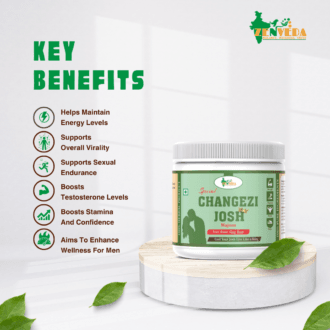
Changezi Josh is a men’s vitality majoon with Yarsa Gumba (Himalayan cordyceps), saffron and safed musli, traditionally used to support stamina, energy and everyday vigour. Take with warm milk — 125gm.
₹1,100.00 -
Men's Wellness
 Buy now
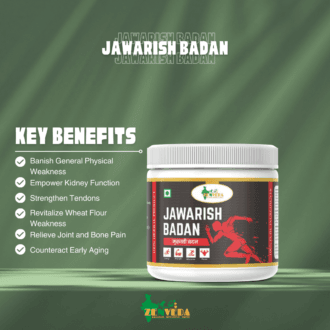
Jawarish Badan is an Ayurvedic/Unani men’s wellness majoon of 20+ classical herbs, traditionally used to support strength, stamina and everyday vitality. Take with milk — 125gm.
₹550.00
Author


