







- Your cart is empty Browse Shop
📌 Quick facts:
- Daily acidity or acid reflux is usually driven by specific, repeatable diet and lifestyle triggers — not a mysterious stomach problem.
- One of the most common culprits is eating large meals late at night or lying down soon after eating.
- A 2021 clinical review confirmed that specific dietary and lifestyle changes measurably reduce reflux symptoms, often as effectively as short-term medication.
- Ayurveda attributes recurring acidity to aggravated pitta dosha and weak agni — addressed through diet timing, food choices and cooling herbs.
If you deal with acidity almost every single day, you’ve probably already tried antacids, cutting out spicy food, or simply living with it. But daily acidity is rarely random — it usually traces back to one or two repeated habits that are easy to overlook precisely because they’ve become routine. This guide explains the most common mistake behind daily acidity, what research says about fixing it through diet and lifestyle, and how Ayurveda addresses the root imbalance — always alongside medical care for persistent or severe symptoms.
The good news is that acidity, unlike many chronic conditions, responds unusually well and unusually quickly to the right changes — often within days to weeks, once the actual trigger is identified and addressed. That makes it one of the more rewarding conditions to actively investigate, rather than simply managing with an antacid every time it flares up.
📋 In this guide
- What is the one mistake that causes daily acidity?
- What other everyday habits commonly trigger acidity?
- What does research say about managing acidity through lifestyle?
- How does Ayurveda explain and address recurring acidity?
- What daily habits actually reduce acidity long-term?
- How does Zen Veda support healthy digestion?
- Frequently asked questions
What is the one mistake that causes daily acidity?
⚡ Quick answer: The single most common cause of daily acidity is eating a large meal late at night and then lying down soon after. This combination overfills the stomach right when gravity can no longer help keep acid down, making reflux into the food pipe far more likely — regardless of how “healthy” the meal itself was.
Most people focus on what they eat when trying to manage acidity, but when and how you eat often matters just as much. A large dinner eaten late, followed by lying down within an hour or two, keeps the stomach full and horizontal exactly when it should be settling and emptying with gravity’s help. This single habit — common on busy weekdays or after late social meals — is responsible for a surprising share of “mystery” daily acidity that doesn’t respond to diet changes alone.
What other everyday habits commonly trigger acidity?
⚡ Quick answer: Beyond late heavy meals, common triggers include excess caffeine, carbonated drinks, fried and fatty foods, overeating in general, tight clothing around the waist, and chronic stress. Smoking and certain medications can also weaken the valve that normally keeps stomach acid where it belongs, making reflux more likely.
Several everyday habits combine to relax the lower oesophageal sphincter — the valve that normally keeps acid in the stomach — or increase abdominal pressure that pushes acid upward. Caffeine, carbonated drinks, and fried or fatty foods are frequent offenders, as is simply overeating at any time of day. Tight waistbands and chronic stress add mechanical and hormonal pressure respectively. Because triggers vary between individuals, keeping a brief food-and-symptom diary for a week or two is often the fastest way to identify your own specific pattern rather than guessing. Note down what you ate, when, and how soon symptoms appeared afterward — this alone often reveals the pattern within just a few days of honest tracking.
What does research say about managing acidity through lifestyle?
⚡ Quick answer: A 2021 clinical review found that specific dietary and lifestyle modifications — including meal timing, weight management, and avoiding trigger foods — measurably reduce reflux symptoms, in some cases as effectively as short-term medication. This confirms that daily acidity is highly responsive to targeted, practical changes rather than requiring long-term dependence on antacids.
A review published in Therapeutics and Clinical Risk Management (2021) examined dietary and lifestyle factors in gastro-oesophageal reflux disease, concluding that structured changes — avoiding late large meals, reducing specific trigger foods, managing weight, and elevating the head during sleep — produced meaningful symptom improvement, in some patients comparable to short-term medication use. This is genuinely encouraging: it means most daily acidity is a highly modifiable pattern, not a fixed condition you simply have to manage indefinitely with pills. You can read the review on PubMed (ID 33883899).
How does Ayurveda explain and address recurring acidity?
⚡ Quick answer: Ayurveda links recurring acidity, or amlapitta, to aggravated pitta dosha combined with weak agni (digestive fire). Support focuses on cooling, easily digestible foods, regular meal timing, and traditional herbs that pacify pitta and strengthen digestion — working with the body’s rhythm rather than suppressing symptoms alone.
Ayurveda describes chronic acidity as amlapitta — literally, “sour pitta” — arising when aggravated pitta dosha combines with weakened agni, producing excess acidity that irritates the digestive tract. Hot, spicy, fried, and irregularly timed meals are seen as classic pitta-aggravating habits, which aligns closely with the modern list of reflux triggers. Traditional support favours cooling, easily digestible foods, regular meal timing, and herbs such as licorice, amla and shatavari, chosen for their reputed soothing and pitta-balancing properties, used alongside — not instead of — medical evaluation for persistent symptoms.
What daily habits actually reduce acidity long-term?
⚡ Quick answer: Eat dinner earlier and lighter, avoid lying down for at least two to three hours after meals, cut back on caffeine, fried food and carbonated drinks, and manage stress. Elevating the head of the bed slightly can also help if night-time reflux is a problem. These changes together address most cases of daily acidity within a few weeks.
| Helpful habits | Habits to avoid |
|---|---|
| Earlier, lighter dinners | Large meals late at night |
| Staying upright 2-3 hrs after eating | Lying down right after meals |
| Warm water, herbal teas | Excess caffeine, carbonated drinks |
| Stress management practices | Chronic unmanaged stress |
The most effective long-term fix for daily acidity is almost always the boring, consistent kind: eat dinner earlier and lighter, stay upright for at least two to three hours afterward, and moderate caffeine, fried food and carbonated drinks. If night-time reflux persists, slightly elevating the head of the bed can prevent acid from travelling upward while lying flat. Managing stress also matters more than most people expect, since stress hormones directly affect stomach acid production and digestive speed. None of these changes are dramatic individually, but together they resolve the large majority of everyday acidity without ongoing medication.
How does Zen Veda support healthy digestion?
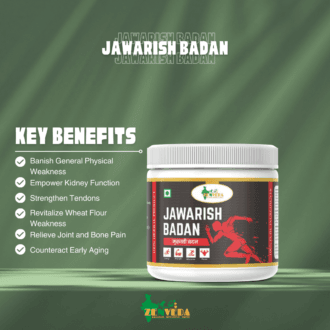
⚡ Quick answer: Zen Veda’s Jawarish Badan is a herbal formula traditionally used to support healthy digestion and reduce excess acidity, made from certified, Uttarakhand-sourced herbs. It works best alongside earlier, lighter meals and the other daily habits above — and persistent or severe symptoms should always be medically evaluated to rule out other conditions.
Jawarish Badan is formulated from certified, Uttarakhand-sourced herbs traditionally used to support healthy digestion and ease excess acidity. We recommend it as part of a broader routine of earlier meals, mindful eating and stress management — not as a substitute for medical evaluation if symptoms are severe, frequent, or accompanied by warning signs like difficulty swallowing or unexplained weight loss. Browse the wider Zen Veda range, or learn more on our About Us page.
If daily acidity has been wearing you down, you can book a free consultation with our Vaidyas to identify your specific triggers and build a practical, sustainable plan around your routine.
Frequently asked questions
What is the most common cause of daily acidity?
Eating a large meal late at night and lying down soon after is one of the most common and overlooked causes, since it combines a full stomach with a horizontal position.
How long after eating should you avoid lying down?
Ideally wait at least two to three hours after a meal before lying down, giving your stomach time to empty and reducing the chance of acid travelling upward overnight.
Can stress cause acidity?
Yes, stress affects digestive speed and stomach acid production, and can worsen or trigger acidity even without any dietary change at all, which is often overlooked.
Does Ayurveda have remedies for acidity?
Yes, Ayurveda addresses amlapitta (acidity) through cooling foods, regular meal timing, and herbs like licorice, amla and shatavari that traditionally soothe and balance pitta dosha.
When should acidity be checked by a doctor?
See a doctor if acidity is frequent despite lifestyle changes, or comes with difficulty swallowing, unexplained weight loss, vomiting, or chest pain, all of which need prompt medical evaluation.
📚 Sources
1. “Dietary and lifestyle factors in gastro-oesophageal reflux disease.” Therapeutics and Clinical Risk Management, 2021. PubMed 33883899
2. Charaka Samhita — classical descriptions of amlapitta, pitta dosha and agni.
3. Ashtanga Hridayam — classical Ayurvedic reference for digestive health and meal timing.
2. Charaka Samhita — classical descriptions of amlapitta, pitta dosha and agni.
3. Ashtanga Hridayam — classical Ayurvedic reference for digestive health and meal timing.
Disclaimer: This article is for educational purposes only and is not a substitute for personalised medical advice. Individual results vary. Please consult a qualified Ayurvedic practitioner or your healthcare provider before starting any new treatment, especially if you are managing a medical condition or taking medication.
★ 6,500+ happy customers
Ready to start your Ayurvedic hair journey?
Our Vaidyas build personalised herbal routines for you. Free consultation, no obligation.
For Free Consultation Contact +919548121325, +919149171737 | International business inquiry: sahil@zenveda.co.in / +919548121325
Recommended Zen Veda products
Author
