




- Your cart is empty Browse Shop
📌 Quick facts:
- Cinnamon, known in Ayurveda as Darcheeni, is one of the most researched spices used as ayurvedic medicine for cholesterol control, with actual human clinical trials behind it.
- A 2025 randomized, double-blind, controlled trial found Ceylon cinnamon extract genuinely improved lipid profile and glucose levels in adults over the study period.
- Ayurveda has long used warming spices like cinnamon to support digestion and metabolism, which is directly linked to healthy fat metabolism.
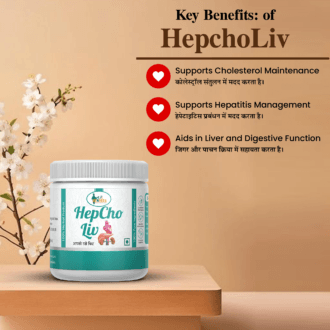
- HepCho Liv includes Darcheeni alongside Arjun ki Chaal as part of its cholesterol-supportive formula.
Cinnamon shows up so often in conversations about ayurvedic medicine for cholesterol control that it’s worth asking directly: does it actually do anything, or is it simply a familiar kitchen spice riding on general “natural remedy” appeal? This guide looks specifically at what real research says about cinnamon and cholesterol, how Ayurveda has traditionally used it, and how it fits into a combined formula like HepCho Liv.
Answering this honestly matters, because cinnamon is genuinely easy to dismiss as “just a spice” or to over-trust simply because it’s familiar and inexpensive — neither extreme is a particularly useful way to actually evaluate whether it belongs in a cholesterol-support routine.
📋 In this guide
- What is cinnamon’s traditional role in ayurvedic medicine for cholesterol control?
- Does real research actually support cinnamon for cholesterol?
- How does cinnamon fit into Ayurveda’s view of digestion and metabolism?
- How much cinnamon is actually needed, and is more always better?
- Should cinnamon be used alone, or combined with other herbs?
- How does HepCho Liv combine cinnamon with other cholesterol-supportive herbs?
- Is cinnamon safe to take alongside diabetes or blood sugar medication?
- Frequently asked questions
What is cinnamon’s traditional role in ayurvedic medicine for cholesterol control?
⚡ Quick answer: In Ayurveda, cinnamon, or Darcheeni, is classed as a warming spice traditionally used to support digestion and metabolism, which is closely linked to healthy fat processing. It’s rarely used entirely alone, typically appearing alongside herbs like Arjuna in compound cholesterol-support formulas.
Within classical Ayurvedic categorisation, cinnamon is considered a Ushna, or warming, herb, traditionally used to kindle Agni and support digestion, which Ayurveda treats as closely connected to healthy fat metabolism and, by extension, Medo Dhatu balance. This traditional digestive framing is genuinely worth knowing before buying a cinnamon-based product, because it explains why cinnamon rarely appears as a standalone cholesterol product — it’s traditionally understood to work through supporting digestion and metabolism broadly, which is exactly why it’s so often paired with heart-focused herbs like Arjuna in compound formulas.
Does real research actually support cinnamon for cholesterol?
⚡ Quick answer: Yes. A 2025 randomized, double-blind, controlled trial found that Ceylon cinnamon extract genuinely improved lipid profile and glucose levels in adults over the study period, with a favourable safety profile. This is real human clinical evidence, not just animal studies or traditional reputation alone.
A 2025 study published in PLoS One, a randomized, double-blind, controlled trial examining Cinnamomum zeylanicum, or Ceylon cinnamon, extract in adults, found genuine improvements in lipid profile and glucose levels over the course of the study, alongside a favourable safety profile (Muthukuda et al., 2025). This matters considerably for anyone evaluating cinnamon-based cholesterol products, because it’s a real, controlled human trial rather than an animal study or a claim resting purely on centuries of traditional use. It’s genuinely one of the stronger pieces of recent evidence available for any single herb discussed in this cholesterol-support category.
How does cinnamon fit into Ayurveda’s view of digestion and metabolism?
⚡ Quick answer: Ayurveda treats digestion and fat metabolism as closely connected, so a warming herb like cinnamon is understood to support cholesterol indirectly, by improving Agni, rather than acting directly on a lab value alone. This is why it’s typically combined with more heart-specific herbs rather than used by itself.
Because Ayurveda views Agni, digestive fire, as the foundation on which healthy fat metabolism and Medo Dhatu balance depend, cinnamon’s traditional role is best understood as supporting the broader digestive system rather than acting directly and exclusively on cholesterol itself. This is genuinely a useful distinction: cinnamon is unlikely to function as a complete cholesterol-support solution on its own, which is exactly why it’s traditionally paired with more directly heart-focused herbs like Arjuna, each covering a genuinely different part of the same underlying picture.
How much cinnamon is actually needed, and is more always better?
⚡ Quick answer: Research trials generally use standardized cinnamon extract at consistent, moderate daily doses, not large amounts, and more is not automatically better. Following a specific product’s stated dosage is a more reliable approach than adding extra cinnamon to your diet on your own.
Most cinnamon studies, including the 2025 trial referenced above, use standardized extract at consistent, moderate daily doses rather than large quantities, which is an important distinction from simply adding more cinnamon powder to your food in the hope of a stronger effect. Whole cinnamon bark also naturally contains coumarin, a compound best kept within moderate limits, which is exactly why a standardized extract in a properly formulated product is generally a more reliable, consistent option than casually increasing dietary cinnamon intake on your own without any real guidance.
Should cinnamon be used alone, or combined with other herbs?
⚡ Quick answer: Classical Ayurveda has traditionally paired cinnamon with more directly heart-focused herbs like Arjuna, rather than using it entirely alone as a cholesterol treatment. A combined formula is genuinely more aligned with both traditional formulation practice and how the research on individual herbs is typically framed.
Because cinnamon’s traditional strength lies specifically in supporting digestion and metabolism rather than acting directly on the heart or circulation, classical Ayurvedic formulation practice has rarely relied on it entirely alone for cholesterol support. It’s traditionally combined with herbs like Arjuna, which carry a more directly heart-focused reputation, so that digestion, metabolism and circulation are all genuinely supported together rather than asking one warming spice to cover every angle by itself. A product combining cinnamon with Arjuna and other complementary herbs is, in this sense, a genuinely more complete approach than a cinnamon-only capsule.
How does HepCho Liv combine cinnamon with other cholesterol-supportive herbs?
⚡ Quick answer: HepCho Liv includes Darcheeni (cinnamon) alongside Arjun ki Chaal, Kachnar and Peepal, combining digestion-focused and heart-focused herbs in one twice-daily formula. This reflects the traditional Ayurvedic pairing of cinnamon with more directly heart-supportive herbs, rather than cinnamon used entirely alone.
HepCho Liv by Zen Veda includes Darcheeni, cinnamon, alongside Arjun ki Chaal, Kachnar and Peepal, taken as two tablets morning and evening with warm water. This combination reflects exactly the traditional Ayurvedic logic discussed above: cinnamon supporting digestion and metabolism, working alongside Arjuna’s more directly heart-focused traditional role, rather than expecting cinnamon alone to carry the entire formula. It’s a genuinely practical example of the whole-formula approach Ayurveda has long favoured for cholesterol and metabolic support.
Is cinnamon safe to take alongside diabetes or blood sugar medication?
⚡ Quick answer: Cinnamon is generally well tolerated at standardized, moderate doses, but because it genuinely affects blood glucose levels too, anyone on diabetes or blood sugar medication should check with a qualified healthcare professional first. Combining it with existing medication without guidance could theoretically lower blood sugar further than intended.
Because cinnamon’s research extends to glucose levels alongside lipid profile, anyone already taking diabetes or blood sugar medication should genuinely check with a qualified healthcare professional before adding a cinnamon-based product to their routine, since combining the two without guidance could theoretically lower blood sugar further than intended. For most healthy adults without this specific concern, standardized cinnamon extract at the dosage stated in a properly formulated product has shown a favourable safety profile in recent research, making this a reasonable precaution rather than a reason to avoid it altogether.
Ready to try a combined formula with cinnamon and Arjuna? Explore HepCho Liv directly from Zen Veda. See our wider range of Ayurvedic wellness products, or read more on our About Us page.
Have questions before you buy? Reach out to our team — we’re happy to help.
Frequently asked questions
What is cinnamon’s role in Ayurvedic cholesterol support?
It’s a warming herb traditionally used to support digestion and metabolism, which Ayurveda treats as closely linked to healthy fat processing.
Is there real research behind cinnamon for cholesterol?
Yes, a 2025 randomized, double-blind, controlled trial found Ceylon cinnamon extract genuinely improved lipid profile and glucose levels in adults.
Should I just add more cinnamon to my food instead?
Research uses standardized extract at moderate doses, so a properly formulated product is generally more reliable than casually increasing dietary cinnamon.
Does cinnamon work better alone or combined with other herbs?
It’s traditionally paired with more directly heart-focused herbs like Arjuna, since cinnamon’s role is primarily digestive and metabolic support.
Is cinnamon safe to take daily for cholesterol support?
Standardized extract at moderate, consistent doses has shown a favourable safety profile in recent trials, though anyone on medication should check with a professional first.
Does HepCho Liv include cinnamon?
Yes, Darcheeni is included alongside Arjun ki Chaal, Kachnar and Peepal, combining digestion-focused and heart-focused herbs in one formula.
📚 Sources
1. Muthukuda, D. et al. “Effects of Cinnamomum zeylanicum (Ceylon cinnamon) extract on lipid profile, glucose levels and its safety in adults: A randomized, double-blind, controlled trial.” PLoS One, 2025. PubMed 39854533
2. Charaka Samhita — classical description of Ushna (warming) herbs and their role in supporting Agni.
3. Ashtanga Hridayam — classical Ayurvedic reference on digestion, metabolism and Medo Dhatu balance.
2. Charaka Samhita — classical description of Ushna (warming) herbs and their role in supporting Agni.
3. Ashtanga Hridayam — classical Ayurvedic reference on digestion, metabolism and Medo Dhatu balance.
Disclaimer: This article is for educational purposes only and is not a substitute for professional medical advice. HepCho Liv is a wellness supplement and does not treat, cure or prevent any disease. If you have diagnosed high cholesterol or are on medication, please consult a qualified healthcare professional before use.
★ 6,500+ happy customers
Ready to start your Ayurvedic hair journey?
Our Vaidyas build personalised herbal routines for you. Free consultation, no obligation.
For Free Consultation Contact +919548121325, +919149171737 | International business inquiry: sahil@zenveda.co.in / +919548121325
Recommended Zen Veda products
Author
