






- Your cart is empty Browse Shop
📌 Quick facts:
- Chronic stress keeps cortisol elevated, which drains energy, disturbs sleep and can suppress testosterone — quietly wrecking male stamina.
- Ayurveda treats this as depletion of ojas and aggravated vata, and counters it with rasayana and adaptogenic herbs plus sadvritta (healthy conduct).
- A 2019 double-blind trial found ashwagandha significantly reduced cortisol and perceived stress versus placebo.
- Lowering cortisol through sleep, breathwork and adaptogens often restores stamina faster than any pre-workout stimulant.
You can eat well, hit the gym and still feel perpetually wiped out — and the culprit is often not your training or your diet, but your stress. For a huge number of men, the real thief of stamina is a stress hormone that never gets a chance to switch off. Ayurveda understood this connection between the mind and physical vigour thousands of years ago, and modern endocrinology has now put a name and a mechanism to it: cortisol.
This article unpacks exactly how stress erodes your stamina, what cortisol is doing behind the scenes, and how the Ayurvedic approach — adaptogenic herbs plus daily rhythm — brings it back into balance. There is also solid modern research showing one classical herb can measurably lower cortisol, which we will look at honestly.
📋 In this guide
- How does stress drain your stamina and energy?
- What is cortisol and why does it matter for men?
- Can Ayurveda lower cortisol and stress naturally?
- Does ashwagandha actually reduce cortisol?
- What daily habits keep cortisol in check?
- How does Zen Veda help men manage stress and stamina?
- Frequently asked questions
How does stress drain your stamina and energy?
⚡ Quick answer: Under chronic stress your body stays in “fight or flight” mode, burning through energy reserves and disrupting sleep, digestion and hormones. This constant low-grade alarm leaves less capacity for recovery and performance, so you feel tired, foggy and weak even without hard physical work. Stamina depends on recovery — and stress is what steals it.
Stamina is not just about how hard you can push; it is about how well you recover. When stress becomes constant — deadlines, finances, poor sleep, always-on phones — the body treats it as a never-ending emergency and keeps the sympathetic “fight or flight” system switched on. That state prioritises short-term survival over long-term maintenance: energy is diverted, digestion and repair slow down, sleep fragments, and the reserves you need for real stamina are steadily spent rather than replenished. In Ayurveda this looks like depleted ojas — the fine essence of vitality and immunity — and aggravated vata from an overstimulated, irregular life. The result is the familiar modern paradox: exhausted but wired, tired but unable to rest.
What is cortisol and why does it matter for men?
⚡ Quick answer: Cortisol is your main stress hormone, released by the adrenal glands to handle threats. Short bursts are healthy, but when it stays high it disturbs sleep, raises belly fat, and can suppress testosterone. For men, chronically elevated cortisol directly undercuts energy, drive, muscle and stamina — which is why managing it is central to feeling strong.
Cortisol is not the villain it is often made out to be — in the right rhythm it wakes you in the morning, mobilises energy and helps you respond to challenges. The problem is chronic elevation. When cortisol stays high day after day, it interferes with deep sleep, encourages fat storage around the abdomen, and tips the body toward breaking tissue down rather than building it up. Crucially for men, cortisol and testosterone have an inverse relationship: as chronic stress keeps cortisol up, it tends to push testosterone down. Since testosterone underpins energy, drive, muscle and stamina, a stressed man is often quietly fighting his own hormones. Bringing cortisol back into a healthy daily curve is therefore one of the most effective things a man can do for his vigour.
Can Ayurveda lower cortisol and stress naturally?
⚡ Quick answer: Yes. Ayurveda addresses stress through rasayana (rejuvenating) and adaptogenic herbs such as ashwagandha, brahmi and jatamansi, combined with sadvritta — healthy daily conduct like regular sleep, calming routine and pranayama. The goal is not to numb stress but to build resilience, so the same pressures no longer drain your stamina and ojas.
| Ayurvedic tool | How it helps with stress |
|---|---|
| Ashwagandha | Adaptogen shown to lower cortisol and perceived stress |
| Brahmi & Jatamansi | Traditionally calm the mind and support sleep |
| Pranayama (breathwork) | Shifts body into “rest and recover” mode |
| Dinacharya (daily routine) | Steadies the cortisol rhythm and vata |
Ayurveda’s genius here is that it never treats stress as a purely mental problem to be pushed through. It combines rasayana and adaptogenic herbs — ashwagandha above all, supported by brahmi and jatamansi for a calm mind and sound sleep — with sadvritta, the code of healthy daily conduct. The herbs help the body adapt to stress rather than be overwhelmed by it, while the routine removes the constant triggers that keep cortisol high. The classical framework is about building bala (strength) and ojas so that resilience grows: the pressures of life stay the same, but they stop hollowing out your stamina.
Does ashwagandha actually reduce cortisol?
⚡ Quick answer: Yes — this is one of the better-researched claims in herbal medicine. A 2019 randomized, double-blind, placebo-controlled trial found that an ashwagandha extract significantly reduced morning cortisol and self-reported stress compared with placebo over 60 days. It is not an instant sedative, but a genuine adaptogen with measurable effects on the body’s stress chemistry.
Ashwagandha’s stress-lowering reputation holds up well under scrutiny. In a randomised, double-blind, placebo-controlled study published in Medicine (Baltimore) (2019;98(37):e17186), Lopresti and colleagues gave stressed adults a standardised ashwagandha extract for 60 days. Compared with placebo, the ashwagandha group showed a significant reduction in morning cortisol and in scores of perceived stress and anxiety. As always, honesty matters: this is one well-designed trial among a growing body of ashwagandha research, results vary between people, and herbs support rather than replace proper stress management or medical care. But it does confirm that a classical Ayurvedic adaptogen can measurably influence the very hormone that undermines male stamina. Read the study on PubMed (ID 31517876).
What daily habits keep cortisol in check?
⚡ Quick answer: Protect sleep, get morning light, exercise regularly but avoid over-training, and build in daily downshifts — pranayama, a walk, or ten minutes offline. Reduce caffeine after midday, limit late-night screens and alcohol, and eat regular, warm meals. These simple rhythms let cortisol rise and fall naturally, which is exactly what restores stamina.
Cortisol is meant to follow a daily curve — higher in the morning to wake you, lower at night to let you rest. Most stamina problems come from flattening or inverting that curve. The fixes are refreshingly practical: get bright light early in the day and dim your environment at night to anchor the rhythm; exercise regularly, but respect recovery, since chronic over-training itself spikes cortisol; and schedule genuine downshifts — slow breathing, a walk in nature, or simply time away from screens. Keep caffeine to the morning, moderate alcohol, and eat regular warm meals rather than surviving on skipped meals and sugar. None of this is dramatic, but together these habits let cortisol behave, and stamina tends to follow quietly behind.
How does Zen Veda help men manage stress and stamina?
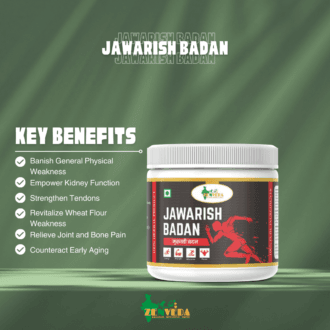
⚡ Quick answer: Zen Veda’s men’s formulas pair adaptogenic and rasayana herbs to support the body under stress. Jawarish Badan is designed for overall male health and stamina, and Changezi Josh as a vitality tonic. Made from certified, Uttarakhand-sourced herbs, they are meant to be taken daily alongside good sleep, exercise and stress routines for steady resilience.
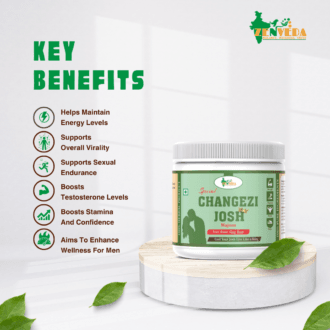
Zen Veda builds its men’s range around this idea of resilience rather than stimulation. Jawarish Badan is formulated to support overall male health and stamina, while Changezi Josh is a traditional vitality majoon for energy and drive. Both use certified, Uttarakhand-sourced herbs and are intended for daily use as part of a balanced routine — not as a substitute for sleep, exercise and sensible stress management, but as support that helps your body cope better with the demands you face. Explore the complete Zen Veda range to find what suits you.
Feeling constantly drained and not sure why? You can book a free consultation with our Vaidyas for calm, practical guidance tailored to you.
Frequently asked questions
What are signs of high cortisol in men?
Common signs include feeling tired but wired, disturbed or light sleep, stubborn belly fat, low drive, irritability, sugar cravings and slow recovery from exercise. These overlap with many issues, so treat them as a prompt to address stress and, if needed, check with a doctor.
How does stress affect testosterone?
Cortisol and testosterone tend to move in opposite directions. Chronically high cortisol from ongoing stress can suppress testosterone production, which lowers energy, drive, muscle and stamina. Managing stress is therefore one of the most natural ways to protect healthy testosterone.
How quickly can ashwagandha lower stress?
In studies, benefits build over several weeks of daily use rather than instantly. Many people notice calmer, steadier energy and better sleep within two to eight weeks. It is an adaptogen, so consistent daily use matters more than a single dose.
Is chronic stress reversible?
Largely, yes. The body is remarkably adaptable — with better sleep, regular movement, daily downshifting and supportive herbs, cortisol rhythms usually normalise and stamina returns. Persistent symptoms despite good habits are worth discussing with a healthcare professional.
Can I take ashwagandha every day?
For most healthy adults, daily use in recommended amounts is how ashwagandha is traditionally and clinically used. Choose a quality formula, follow the dosage, and consult a practitioner if you are pregnant, on medication, or managing a thyroid or other medical condition.
📚 Sources
1. Lopresti AL, Smith SJ, Malvi H, Kodgule R. “An investigation into the stress-relieving and pharmacological actions of an ashwagandha (Withania somnifera) extract: A randomized, double-blind, placebo-controlled study.” Medicine (Baltimore), 2019;98(37):e17186. PubMed 31517876
2. Charaka Samhita — classical source of rasayana therapy and sadvritta (healthy conduct) for building strength and resilience.
3. Ashtanga Hridayam — classical Ayurvedic reference for dinacharya (daily routine) and mind-body balance.
2. Charaka Samhita — classical source of rasayana therapy and sadvritta (healthy conduct) for building strength and resilience.
3. Ashtanga Hridayam — classical Ayurvedic reference for dinacharya (daily routine) and mind-body balance.
★ 6,500+ happy customers
Ready to start your Ayurvedic hair journey?
Our Vaidyas build personalised herbal routines for you. Free consultation, no obligation.
For Free Consultation Contact +919548121325, +919149171737 | International business inquiry: sahil@zenveda.co.in / +919548121325
Recommended Zen Veda products
Author
