







📌 Quick facts:
- Weak digestion often shows up quietly as recurring bloating, discomfort or fullness after meals, rather than one single dramatic, obvious symptom to notice.
- Functional dyspepsia — persistent upper digestive discomfort without any structural or biochemical cause — is a genuinely recognised, common condition, confirmed clearly by recent major medical reviews and studies.
- Symptoms frequently worsen noticeably after meals, particularly larger or richer ones, which is itself a genuinely useful diagnostic clue worth actively tracking.
- Ayurveda ties weak digestion directly to reduced Agni (digestive fire), addressed primarily through mindful diet and consistent daily eating habits.
“Weak digestion” is a phrase many, many people use rather casually, almost in passing conversation, without a genuinely clear sense of what it actually, precisely means or whether it truly and specifically applies to them personally at all. This guide carefully explains the common, everyday signs of weak digestion, what recent scientific research genuinely confirms about this pattern, and precisely how Ayurveda approaches strengthening digestive capacity over time, gradually.
Recognising the actual underlying pattern genuinely matters because weak digestion is so very often normalised as simply “just how my stomach is,” when in fact it’s a genuinely identifiable pattern that responds well to targeted, consistent attention rather than something to simply live around indefinitely, adjusting the rest of life around it instead.
📋 In this guide
- What are the actual signs of weak digestion?
- Is “weak digestion” actually a recognised medical concept?
- Why do symptoms often get worse after eating?
- Do stress and eating habits genuinely affect digestive capacity?
- When does weak digestion warrant a doctor’s evaluation?
- How does Ayurveda approach strengthening weak digestion?
- Frequently asked questions
What are the actual signs of weak digestion?
⚡ Quick answer: Recurring bloating, a feeling of fullness that lingers long after eating, mild discomfort or heaviness, and irregular bowel patterns are the most common signs of weak digestion. These tend to recur repeatedly rather than appearing as one isolated, unusual episode.
Weak digestion genuinely rarely announces itself dramatically through one single, obvious symptom alone — instead, it tends to show up gradually as a recurring, cumulative pattern over time. Bloating that appears repeatedly and predictably, a sense of fullness that lingers uncomfortably long after a meal has properly ended, mild but persistent discomfort or heaviness in the stomach area, and irregular bowel patterns are all among the most commonly reported everyday signs. What genuinely distinguishes this from an occasional bad meal is the sheer repetition involved: these symptoms show up again and again across weeks and months, forming a genuine, identifiable pattern worth noticing rather than a one-off, easily explained episode that resolves on its own.
Is “weak digestion” actually a recognised medical concept?
⚡ Quick answer: Yes, closely related to what’s medically termed functional dyspepsia — persistent upper digestive discomfort without a structural or biochemical cause found on standard testing. A major 2026 medical review confirms this is a genuine, well-recognised and common condition, not a vague or dismissible complaint.
A comprehensive, up-to-date 2026 review on functional dyspepsia, published in the New England Journal of Medicine, confirms this exact condition — persistent upper digestive discomfort occurring without any structural or biochemical abnormality found on standard, routine testing — as genuinely common, widespread and clinically well recognised (Talley & Ford, 2026). This is a genuinely meaningful validation for anyone who has repeatedly been told their digestive complaints are “all in your head” simply because standard tests came back entirely normal; functional dyspepsia is a genuinely real, well-documented and legitimate condition existing precisely in that uncomfortable space between clearly identifiable disease and complete, textbook normality that standard tests are specifically designed to catch and flag.
Why do symptoms often get worse after eating?
⚡ Quick answer: Symptoms frequently worsen after meals, especially larger or richer ones, because digestion demands considerably more effort exactly when capacity is already genuinely limited. This post-meal pattern is itself a useful diagnostic clue, clearly distinguishing digestive-related discomfort from other, entirely unrelated causes.
A clear, consistent meal-related pattern is genuinely one of the more useful, practical diagnostic clues available to notice and track at home. Symptoms that reliably and predictably worsen after eating, particularly following larger or richer meals, point quite specifically toward digestive capacity itself being the limiting factor — the digestive system is being asked to process more than it can comfortably manage at that moment. Carefully noticing this pattern, and specifically which particular foods or meal sizes tend to trigger discomfort, provides genuinely useful, practical information, both for adjusting eating habits directly at home and for describing the pattern accurately and specifically to a doctor if a proper evaluation becomes needed.
Do stress and eating habits genuinely affect digestive capacity?
⚡ Quick answer: Yes — eating too quickly, irregular meal timing, and chronic stress all measurably impair digestive function. The gut and nervous system are closely connected, meaning a stressed, rushed mental state genuinely affects how well food gets processed, not just how a person feels emotionally.
Eating too quickly without properly chewing each individual bite, skipping meals then overeating later on, irregular and unpredictable meal timing, and chronic ongoing stress all measurably impair overall digestive function, not merely make the experience of eating feel somewhat less pleasant. The gut and nervous system are closely, deeply and bidirectionally connected, meaning a rushed, stressed mental state during a meal genuinely, measurably affects how efficiently that meal gets digested afterward, not just how the moment of eating feels. This is precisely why deliberately slowing down and eating with some genuine calm, rather than treating meals as an inconvenient task to rush through between other pressing obligations, tends to make a real, measurable difference over time, often considerably more than any single specific food choice alone ever could.
When does weak digestion warrant a doctor’s evaluation?
⚡ Quick answer: Persistent symptoms lasting several weeks, unexplained weight loss, difficulty swallowing, or blood in stool all warrant prompt medical evaluation rather than continued self-management at home. These specific warning signs help rule out more serious underlying causes before addressing digestion more generally.
While much everyday digestive discomfort is genuinely manageable through diet and lifestyle changes alone, certain specific signs genuinely warrant prompt medical evaluation rather than continued indefinite self-management at home without ever checking in with a doctor. These include symptoms persisting for several weeks despite reasonable adjustments, unexplained weight loss, difficulty swallowing, or any sign of blood in stool. These specific warning signs help rule out more serious underlying causes first, after which addressing everyday digestive capacity through diet and routine becomes the far more relevant, appropriate focus.
How does Ayurveda approach strengthening weak digestion?
⚡ Quick answer: Ayurveda ties weak digestion directly to reduced Agni, digestive fire, addressed primarily through appropriate food choices, regular meal timing, and eating with full attention rather than distraction. Supporting Agni is considered foundational to nearly every other aspect of health, not a narrow, isolated concern.
Classical Ayurveda genuinely ties digestive strength directly to Agni, the digestive fire, viewing weak digestion as reduced Agni requiring proper support rather than suppression. The traditional approach genuinely centres on appropriate food choices for one’s own constitution, genuinely regular meal timing, eating with full attention rather than distraction, and avoiding excess in heavy, cold or difficult-to-digest foods. Because Agni is genuinely considered foundational to nearly every other aspect of overall health in this classical framework, strengthening it is genuinely treated as a worthwhile, high-leverage focus with real ripple effects across the entire whole body, rather than a narrow, isolated concern affecting only the stomach.
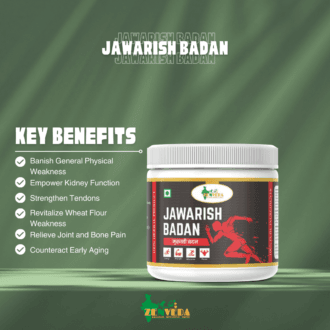
Jawarish Badan by Zen Veda is an Ayurvedic/Unani men’s wellness majoon of 20+ classical herbs, traditionally used to support strength, stamina and everyday vitality. Explore our wider range of Ayurvedic wellness products, or read more on our About Us page.
Want personalised guidance for your wellness routine? Reach out to our team.
Frequently asked questions
What are the signs of weak digestion?
Recurring bloating, a sense of prolonged fullness after eating, mild but persistent discomfort, and irregular bowel patterns are the most commonly reported recurring signs.
Is weak digestion a real medical condition?
Yes, it closely relates to functional dyspepsia, a genuinely recognised, common and well-studied condition confirmed clearly by major recent medical reviews and clinical research.
Why do symptoms often worsen after eating?
Digestion genuinely demands more effort exactly when capacity is already limited, making this meal-related worsening pattern a genuinely useful diagnostic clue worth actively noticing.
Does stress really affect digestion?
Yes, the gut and nervous system are genuinely and closely connected, and ongoing chronic stress measurably impairs how efficiently and comfortably food actually gets digested.
How does Ayurveda strengthen weak digestion?
By genuinely and consistently supporting Agni through appropriate food choices, regular meal timing, and eating with full attention rather than constant distraction or rushing around.
📚 Sources
1. Talley, N. J. & Ford, A. C. “Functional Dyspepsia.” New England Journal of Medicine, 2026. PubMed 41499733
2. Charaka Samhita — classical description of Agni (digestive fire) and its role in overall health.
3. Ashtanga Hridayam — classical Ayurvedic reference on eating habits and digestive strength.
2. Charaka Samhita — classical description of Agni (digestive fire) and its role in overall health.
3. Ashtanga Hridayam — classical Ayurvedic reference on eating habits and digestive strength.
Disclaimer: This article is for educational purposes only and is not a substitute for professional medical advice. Individual digestive conditions vary. If you experience persistent symptoms, unexplained weight loss or other warning signs, please consult a qualified healthcare professional.
★ 6,500+ happy customers
Ready to start your Ayurvedic hair journey?
Our Vaidyas build personalised herbal routines for you. Free consultation, no obligation.
For Free Consultation Contact +919548121325, +919149171737 | International business inquiry: sahil@zenveda.co.in / +919548121325
Recommended Zen Veda products
-
Men's Wellness
 Buy now
Jawarish Badan is an Ayurvedic/Unani men’s wellness majoon of 20+ classical herbs, traditionally used to support strength, stamina and everyday vitality. Take with milk — 125gm.
₹550.00 -
Men's WellnessBestseller
 Buy now
Changezi Josh is a men’s vitality majoon with Yarsa Gumba (Himalayan cordyceps), saffron and safed musli, traditionally used to support stamina, energy and everyday vigour. Take with warm milk — 125gm.
₹1,100.00
Author


