








- Your cart is empty Browse Shop
📌 Quick facts:
- Roughly a quarter of all people have elevated triglycerides, often without ever knowing it, since it usually causes no symptoms.
- A 2021 cardiology update confirms triglycerides are an independent risk factor for heart disease, not just a side note to cholesterol.
- Sugar, refined carbs and alcohol are often bigger drivers of high triglycerides than dietary fat itself.
- Ayurveda links rising triglycerides to excess kapha and weak agni — addressed through diet, digestion and liver support.
Triglycerides tend to get noticeably less attention than cholesterol on a lab report, but rising numbers here matter just as much for your heart and liver health. Unlike cholesterol, triglycerides are especially and quickly sensitive to sugar, refined carbohydrates and alcohol — meaning the usual “cut the fat” advice often misses the real driver entirely. This guide explains why triglycerides actually rise, what recent cardiology research shows, and how Ayurveda approaches the problem — always alongside your doctor’s monitoring.
Getting this one right matters because triglycerides respond quickly to the correct changes — often faster than cholesterol does — which makes understanding the real cause especially worthwhile. Many people are surprised to see this specific number improve within weeks, well before other lab values start to shift, once the actual driver is addressed correctly.
📋 In this guide
- What actually causes triglycerides to rise?
- Why do triglycerides matter for heart health specifically?
- Is sugar really worse than fat for triglycerides?
- How does Ayurveda explain rising triglycerides?
- What changes actually lower triglycerides fastest?
- How does Zen Veda support healthy triglyceride levels?
- Frequently asked questions
What actually causes triglycerides to rise?
⚡ Quick answer: The biggest everyday drivers of high triglycerides are excess sugar and refined carbohydrates, regular alcohol consumption, excess calorie intake generally, and inactivity. Genetics and underlying conditions like poorly controlled diabetes also play a significant role. Unlike LDL cholesterol, triglycerides respond especially strongly to sugar and alcohol intake specifically.
Triglycerides are the body’s main way of storing extra energy, and they rise whenever you consistently take in more calories than you burn — particularly from sugar, refined carbohydrates and alcohol, all of which the liver readily converts into triglycerides. This is a genuinely different mechanism from LDL cholesterol, which responds more to saturated fat. Regular alcohol intake is a particularly common, often overlooked driver, since alcohol is metabolised almost directly into triglycerides by the liver. Poorly controlled diabetes and certain genetic patterns can also push levels up independent of diet.
Why do triglycerides matter for heart health specifically?
⚡ Quick answer: A 2021 update confirms triglycerides are an independent risk factor for atherosclerotic cardiovascular disease, meaning they matter on their own, not just as a marker that travels alongside cholesterol. High triglycerides also raise the risk of pancreatitis when severely elevated, making them worth monitoring even when LDL cholesterol looks fine.
A review published in Archives of Cardiovascular Diseases (2021) on triglycerides and atherosclerotic cardiovascular disease confirmed that elevated triglycerides independently raise cardiovascular risk, altering lipoprotein metabolism in ways that promote artery-clogging plaque, separate from LDL cholesterol’s own effect. This matters because someone can have a “normal” LDL reading and still carry meaningful cardiovascular risk if triglycerides are high — a pattern common in people with insulin resistance or type 2 diabetes. Severely elevated triglycerides also raise the risk of pancreatitis, a serious and painful condition, which is why very high readings need prompt medical attention. You can read the review on PubMed (ID 33546998).
Is sugar really worse than fat for triglycerides?
⚡ Quick answer: For triglycerides specifically, yes — sugar, refined carbohydrates and alcohol tend to raise them more directly than dietary fat does, since the liver converts excess sugar into triglycerides efficiently. This is why someone eating a “low-fat” diet high in sugar and refined carbs can still have stubbornly high triglycerides.
This is one of the most commonly misunderstood points in everyday nutrition advice. Many people focus on cutting fat while continuing to eat sugary snacks, sweetened drinks, white bread and rice in large quantities — and are surprised when triglycerides remain high despite a “healthier” diet. The liver processes excess sugar and refined carbohydrate calories into triglycerides quite efficiently, which is why reducing these specifically, rather than just fat, tends to move the needle faster for this particular lab value. Alcohol compounds this effect further, since it is processed by the same liver pathways. This is precisely why a “low-fat, high-carb” diet can sometimes backfire for triglycerides specifically, even while genuinely helping other areas of health.
How does Ayurveda explain rising triglycerides?
⚡ Quick answer: Ayurveda links excess triglycerides to aggravated kapha dosha and weakened agni, leading to accumulated meda dhatu (fat tissue) and ama (metabolic toxins). Support focuses on rekindling digestion, reducing heavy, sweet and oily foods, and using herbs traditionally believed to support healthy fat metabolism and liver function.
In Ayurvedic terms, rising triglycerides reflect excess meda dhatu accumulating due to weakened agni, compounded by aggravated kapha dosha from sweet, heavy and oily foods — a picture that aligns closely and rather neatly with the modern understanding of sugar and refined carbohydrates driving this specific lab value. Traditional support emphasises rekindling digestive fire, reducing sweet and heavy foods, and herbs like guggulu and triphala, chosen for their reputed effects on fat metabolism and liver support, always used alongside regular blood testing and medical guidance rather than in place of it.
What changes actually lower triglycerides fastest?
⚡ Quick answer: Cutting sugar, sweetened drinks and refined carbohydrates, limiting alcohol, and adding regular exercise are the fastest, most reliable ways to lower triglycerides — often producing noticeable improvement within just a few weeks, faster than typical cholesterol changes. Weight loss, even modest amounts, adds a further meaningful reduction.
| Reduce | Favour instead |
|---|---|
| Sugar, sweets, sweetened drinks | Whole fruit, water, unsweetened options |
| Refined carbs (maida, white rice) | Whole grains, fibre-rich foods |
| Regular alcohol intake | Minimal or no alcohol |
| Inactivity | Regular aerobic exercise |
Triglycerides respond unusually quickly to the right changes, which makes this one of the more rewarding lab values to work on. Cutting sugar, sweetened beverages and refined carbohydrates directly targets the main driver, often producing a measurable drop within just a few weeks. Limiting alcohol helps significantly, since it’s processed through the same liver pathway that produces triglycerides. Regular aerobic exercise burns through circulating triglycerides directly and improves how efficiently the body processes fat overall. Even modest weight loss, in the range of five to ten percent of body weight, adds a further meaningful reduction on top of these dietary changes. Because the improvement tends to show up quickly, retesting after six to eight weeks of consistent effort is often genuinely motivating, giving you real feedback on which changes are working best for your body.
How does Zen Veda support healthy triglyceride levels?
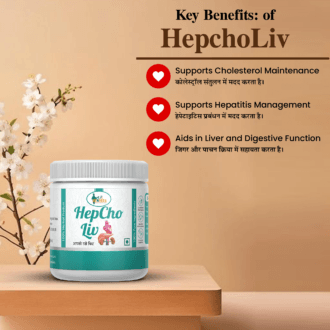
⚡ Quick answer: Zen Veda’s HepCho Liv is a herbal formula traditionally used to support liver function and healthy fat metabolism, made from certified, Uttarakhand-sourced herbs. It works best alongside reduced sugar intake, limited alcohol, and regular exercise — and very high triglyceride readings should always be discussed with your doctor promptly.
HepCho Liv is formulated from certified, Uttarakhand-sourced herbs traditionally used to support healthy liver function and fat metabolism. We recommend it alongside the dietary changes that matter most for triglycerides specifically — less sugar, less alcohol, more movement — rather than as a stand-alone fix, and severely elevated readings should always be discussed with your doctor promptly given the pancreatitis risk. Explore the wider Zen Veda range, or learn more on our About Us page.
Want help interpreting your own lipid panel? You can book a free consultation with our Vaidyas for practical, judgement-free guidance suited to your specific numbers.
Frequently asked questions
What causes high triglycerides?
Excess sugar, refined carbohydrates, alcohol, excess calories overall, and inactivity are the most common causes, along with genetics and conditions like poorly controlled type 2 diabetes.
Is a triglyceride level of 150 or higher a concern?
Levels of 150 mg/dL or above are generally considered elevated and worth addressing through diet and lifestyle, alongside your doctor’s guidance on further testing and monitoring if needed.
Does sugar affect triglycerides more than fat does?
For triglycerides specifically, yes — sugar and refined carbohydrates tend to raise them more directly than dietary fat does, since the liver converts excess sugar into triglycerides quite efficiently.
How quickly can triglycerides improve?
Triglycerides often respond faster than cholesterol, with noticeable improvement possible within just a few weeks of cutting sugar, alcohol and refined carbs, and adding regular daily exercise.
When are high triglycerides an emergency?
Very severely elevated triglycerides carry a real risk of pancreatitis and need prompt medical attention, so always discuss significantly high readings with your doctor without delay.
📚 Sources
1. “Triglycerides and risk of atherosclerotic cardiovascular disease: An update.” Archives of Cardiovascular Diseases, 2021. PubMed 33546998
2. Charaka Samhita — classical descriptions of meda dhatu, kapha dosha and metabolism.
3. Ashtanga Hridayam — classical Ayurvedic reference for digestion, agni and fat tissue balance.
2. Charaka Samhita — classical descriptions of meda dhatu, kapha dosha and metabolism.
3. Ashtanga Hridayam — classical Ayurvedic reference for digestion, agni and fat tissue balance.
Disclaimer: This article is for educational purposes only and is not a substitute for personalised medical advice. Individual results vary. Please consult a qualified Ayurvedic practitioner or your healthcare provider before starting any new treatment, especially if you are managing a medical condition or taking medication.
★ 6,500+ happy customers
Ready to start your Ayurvedic hair journey?
Our Vaidyas build personalised herbal routines for you. Free consultation, no obligation.
For Free Consultation Contact +919548121325, +919149171737 | International business inquiry: sahil@zenveda.co.in / +919548121325
Recommended Zen Veda products
Author
