



- Your cart is empty Browse Shop
📌 Quick facts:
- No — fatty liver is not always caused by alcohol. The most common form worldwide is non-alcoholic fatty liver disease (NAFLD), seen in people who drink little or no alcohol.
- A 2023 systematic review found NAFLD affects roughly a quarter to a third of the global adult population, driven largely by diet, weight and metabolic factors rather than alcohol.
- Poor diet, excess belly fat, insulin resistance and a sedentary lifestyle are the real leading drivers for most people diagnosed with fatty liver.
- Ayurveda connects liver fat accumulation to weak Agni (digestive fire) and excess kapha and meda (fat tissue), independent of alcohol.
One of the most persistent myths about fatty liver is that it only happens to heavy drinkers. It’s an understandable assumption — the liver processes alcohol, so alcohol damage feels like the obvious culprit. But the reality is very different, and believing this myth causes many people to overlook a condition they genuinely have. This guide explains what actually causes fatty liver, what the research shows, and why non-drinkers are affected just as often.
Getting this right matters, because someone who has never touched alcohol can still develop significant fatty liver — and dismissing the possibility simply because “I don’t drink” is exactly how it goes unnoticed for years.
📋 In this guide
- Is fatty liver always caused by alcohol?
- How common is non-alcoholic fatty liver disease?
- What actually causes fatty liver in non-drinkers?
- Can thin people get fatty liver too?
- How does Ayurveda explain fatty liver without alcohol?
- What should you do if you have fatty liver but don’t drink?
- Frequently asked questions
Is fatty liver always caused by alcohol?
⚡ Quick answer: No. While heavy alcohol use can cause alcoholic fatty liver, the most common form globally is non-alcoholic fatty liver disease (NAFLD), which occurs in people who drink little or no alcohol. For most people diagnosed today, alcohol is not the primary cause at all.
There are two broad categories of fatty liver: alcoholic fatty liver disease, linked to heavy alcohol consumption, and non-alcoholic fatty liver disease (NAFLD), which develops independently of alcohol. NAFLD is by far the more common of the two worldwide. So while the “only drinkers get fatty liver” belief isn’t entirely baseless — alcohol genuinely can cause it — it’s misleading, because it ignores the far larger group of people who develop fatty liver for reasons that have nothing to do with drinking.
How common is non-alcoholic fatty liver disease?
⚡ Quick answer: A 2023 systematic review estimated that NAFLD affects roughly a quarter to a third of the global adult population, making it one of the most common chronic liver conditions in the world. That scale simply cannot be explained by alcohol, since most of those affected are light or non-drinkers.
A 2023 systematic review published in Hepatology examined the global epidemiology of non-alcoholic fatty liver disease and found it affects a very large share of the world’s adult population (Le et al., 2023). When a condition is this widespread among people who drink little or no alcohol, it becomes clear that alcohol is not the main story. The sheer prevalence of NAFLD is one of the strongest pieces of evidence against the “only drinkers get fatty liver” myth. Put simply, a condition affecting hundreds of millions of people, most of whom are not heavy drinkers, cannot be blamed on alcohol — the numbers themselves rule it out as the primary explanation.
What actually causes fatty liver in non-drinkers?
⚡ Quick answer: In non-drinkers, fatty liver is driven mainly by poor diet, excess belly fat, insulin resistance, high blood sugar and a sedentary lifestyle. These metabolic factors cause fat to accumulate in liver cells regardless of alcohol intake, which is why NAFLD is closely tied to overall metabolic health.
The real drivers of fatty liver in most people are metabolic. A diet high in sugar and refined carbohydrates, excess visceral (belly) fat, insulin resistance, and low physical activity all encourage fat to build up inside liver cells. This is why fatty liver so often appears alongside conditions like type 2 diabetes, obesity and high cholesterol — they share the same metabolic roots. Understanding this reframes fatty liver as a metabolic issue to manage through diet and lifestyle, not simply a drinking problem to avoid. It also explains why cutting out alcohol alone often isn’t enough to reverse it in a non-drinker — if the underlying driver is a high-sugar diet or excess belly fat, that’s where the real change has to happen. Treating the metabolic root rather than fixating on alcohol is what actually moves the needle for most people.
Can thin people get fatty liver too?
⚡ Quick answer: Yes. Even people with a normal weight can develop fatty liver, often called “lean NAFLD,” particularly if they carry hidden visceral fat or have insulin resistance. Being slim does not guarantee a healthy liver, which is why fatty liver is frequently missed in people who don’t fit the expected profile.
Just as fatty liver isn’t limited to drinkers, it isn’t limited to people who are visibly overweight either. “Lean NAFLD” describes fatty liver in people with a normal body weight, and it’s more common than most assume. Someone can look slim on the outside while carrying enough visceral fat or metabolic dysfunction to affect the liver. This is precisely why a slim, non-drinking person can still be diagnosed with fatty liver — and why the condition is so often overlooked in exactly those people.
How does Ayurveda explain fatty liver without alcohol?
⚡ Quick answer: Ayurveda links liver fat accumulation to weak Agni (digestive fire) and an excess of kapha and meda dhatu (fat tissue), which builds up when digestion and metabolism are sluggish. This framework never depended on alcohol as the cause, focusing instead on diet and digestion.
Classical Ayurveda long attributed conditions resembling fatty liver to weak Agni — the digestive and metabolic fire — combined with excess kapha dosha and accumulation of meda dhatu, the fat tissue. In this framework, when digestion is sluggish and the diet is heavy, fat accumulates in the body’s tissues, including the liver. Notably, this classical understanding was always centred on diet, digestion and metabolism rather than alcohol — aligning closely with the modern recognition that NAFLD is fundamentally a metabolic, diet-driven condition.
What should you do if you have fatty liver but don’t drink?
⚡ Quick answer: Focus on the metabolic drivers: reduce sugar and refined carbs, lose excess belly fat gradually, exercise regularly, and support digestion. These changes address the actual cause, and herbal liver support can complement them, but lifestyle change remains the foundation of managing NAFLD.
If you’ve been diagnosed with fatty liver despite not drinking, the good news is that the condition is often responsive to the right changes. Reducing sugar and refined carbohydrates, gradually losing excess belly fat, moving more, and supporting healthy digestion all target the metabolic roots directly. Classical Ayurvedic liver formulations are traditionally used alongside these changes to support liver function, but they work best as a complement to diet and lifestyle, never as a replacement for it.
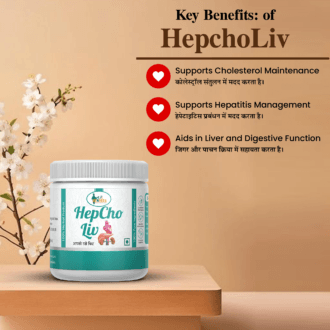
HepCho Liv by Zen Veda is formulated from certified, Uttarakhand-sourced herbs traditionally used to support healthy liver function and fat metabolism, alongside these foundational diet and lifestyle changes. Explore our wider range of Ayurvedic wellness products, or read more on our About Us page.
Want a personalised plan for your liver health? Book a free consultation with our Vaidyas.
Frequently asked questions
Can you get fatty liver without drinking alcohol?
Yes, non-alcoholic fatty liver disease (NAFLD) develops in people who drink little or no alcohol and is actually the most common form of fatty liver worldwide.
What is the main cause of non-alcoholic fatty liver?
Metabolic factors — poor diet, excess belly fat, insulin resistance and low physical activity — are the main drivers, which is why NAFLD is closely linked to diabetes and obesity.
Can slim people get fatty liver?
Yes, “lean NAFLD” affects people of normal weight, often due to hidden visceral fat or insulin resistance, so being slim doesn’t rule out fatty liver.
How common is fatty liver globally?
A 2023 systematic review estimated NAFLD affects roughly a quarter to a third of the global adult population, making it one of the most common chronic liver conditions.
Is non-alcoholic fatty liver reversible?
In many cases early-stage fatty liver improves significantly with consistent diet, weight and lifestyle changes, though you should always follow your doctor’s guidance for your specific situation.
How does Ayurveda view fatty liver?
Ayurveda links it to weak Agni (digestive fire) and excess kapha and meda dhatu (fat tissue), a diet- and digestion-focused framework described in classical texts like the Charaka Samhita and Ashtanga Hridayam.
📚 Sources
1. Le, M.H. et al. “The global epidemiology of nonalcoholic fatty liver disease (NAFLD) and nonalcoholic steatohepatitis (NASH): a systematic review.” Hepatology, 2023. PubMed 36626630
2. Charaka Samhita — classical description of Agni (digestive fire), meda dhatu and fat accumulation.
3. Ashtanga Hridayam — classical Ayurvedic reference for kapha dosha, digestion and metabolic balance.
2. Charaka Samhita — classical description of Agni (digestive fire), meda dhatu and fat accumulation.
3. Ashtanga Hridayam — classical Ayurvedic reference for kapha dosha, digestion and metabolic balance.
Disclaimer: This article is for educational purposes only and is not a substitute for personalised medical advice. Individual results vary. Please consult a qualified Ayurvedic practitioner or your healthcare provider before starting any new treatment, especially if you are managing a medical condition or taking medication.
★ 6,500+ happy customers
Ready to start your Ayurvedic hair journey?
Our Vaidyas build personalised herbal routines for you. Free consultation, no obligation.
For Free Consultation Contact +919548121325, +919149171737 | International business inquiry: sahil@zenveda.co.in / +919548121325
Recommended Zen Veda products
Author
