





- Your cart is empty Browse Shop
📌 Quick facts:
- Tila oil (sesame oil) has been used in Ayurvedic massage, or Abhyanga, for thousands of years, but how you apply it genuinely changes how much benefit you actually get.
- A 2005 review in Sports Medicine confirms massage itself, the technique and consistency of it, has measurable physiological effects on muscle and circulation.
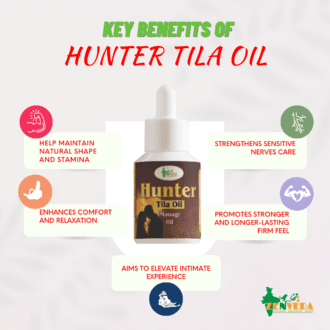
- Hunter Tila combines sesame oil with traditional strengthening herbs in one daily-use massage oil.
- Warming the oil slightly and using slow, consistent strokes genuinely matters more than the amount of oil applied.
Tila oil is a genuine staple of Ayurvedic massage, but simply pouring it on and rubbing it in isn’t really the full picture. This guide walks through how to use tila oil the right way, what actual research says about massage technique and effect, and how Hunter Tila is designed to be used for genuine results.
Getting the application right matters because the herbs and oils in a formula like this are absorbed and work through the skin during massage, so technique genuinely affects how much benefit you’re actually getting from each use, not just which product you buy.
📋 In this guide
- What is tila oil actually used for in Ayurveda?
- Does the way you massage actually matter, or just the oil?
- How should you actually apply tila oil step by step?
- What mistakes do people commonly make when applying it?
- How is Hunter Tila formulated for this kind of use?
- How often should you actually use it for real results?
- Is there a best time of day to apply tila oil?
- Frequently asked questions
What is tila oil actually used for in Ayurveda?
⚡ Quick answer: Tila oil, made from sesame, is the traditional base for Abhyanga, Ayurvedic self-massage, valued for its warming quality and ability to carry other herbs into the skin. It’s genuinely one of the most widely used oils in classical Ayurvedic practice.
Tila oil, pressed from sesame seeds, is genuinely one of the most widely used base oils in classical Ayurvedic massage practice, known as Abhyanga. It’s valued for its naturally warming quality and its ability to carry other herbs deeper into the skin during massage, which is exactly why so many traditional strengthening and wellness oils are built on a tila oil base rather than a neutral, unscented carrier oil.
Does the way you massage actually matter, or just the oil?
⚡ Quick answer: A 2005 review in Sports Medicine confirms massage technique itself has measurable, genuine physiological effects on muscle and circulation, separate from whatever oil is used. This means how you apply tila oil genuinely matters, not just the product itself, so technique is worth learning properly.
A 2005 review published in Sports Medicine examined the physiological effects of massage and confirmed genuine, measurable effects on muscle function and circulation tied to the massage technique itself (Weerapong, Hume & Kolt, 2005). This matters directly for anyone using tila oil at home: the rubbing, pressure and consistency of the massage genuinely contribute to the result you get, separate from the oil itself, which is exactly why rushing through application tends to produce a far less satisfying outcome than a slower, more deliberate approach.
How should you actually apply tila oil step by step?
⚡ Quick answer: Warm the oil slightly, apply it with slow, firm, consistent strokes moving toward the heart, and let it sit briefly before rinsing or wiping off. This traditional method genuinely matters more than simply how much oil you use each time.
The traditional method starts with gently warming the oil, either in warm water or between the palms, since warmth genuinely helps it absorb more easily into the skin. Apply it using slow, firm, consistent strokes, generally moving toward the heart, rather than quick or scattered rubbing. Let the oil sit on the skin for several minutes before rinsing off or wiping away any excess. This sequence, warmth, consistent technique, and a short absorption period, is genuinely what separates a rushed application from one that reflects the traditional practice properly.
What mistakes do people commonly make when applying it?
⚡ Quick answer: The most common mistakes are applying cold oil straight from the bottle, rushing the massage instead of using slow strokes, and rinsing it off immediately without letting it sit. Each of these genuinely reduces how much benefit you get from a given application.
The most common mistake is applying the oil cold, straight from the bottle, which makes it harder for the skin to absorb properly compared to gently warmed oil. A close second is rushing through the massage instead of using slow, deliberate strokes, treating it as a quick task rather than the few genuinely unhurried minutes it’s meant to take. Rinsing off immediately, without letting the oil sit for even a few minutes, is a third common shortcut that genuinely reduces the benefit of each application compared to following the fuller traditional sequence.
How is Hunter Tila formulated for this kind of use?
⚡ Quick answer: Hunter Tila combines a sesame oil base with traditional strengthening herbs, formulated specifically for regular massage use rather than occasional application. It’s designed to be warmed and massaged in using the traditional technique described throughout this guide, rather than applied quickly and rinsed off right away.
Hunter Tila by Zen Veda is built on a genuine sesame oil base combined with traditional strengthening herbs, formulated specifically for regular massage use as part of an ongoing routine rather than an occasional, one-off application. It’s designed to be gently warmed and massaged in using exactly the traditional technique described above, slow strokes, adequate absorption time, and consistent regular use, rather than treated as a quick rub-in product.
How often should you actually use it for real results?
⚡ Quick answer: Daily or near-daily use, applied consistently over several weeks, genuinely produces better results than occasional use, even with correct technique. Ayurvedic massage oils are built around a routine, not a single application, so patience genuinely matters more than intensity here.
Consistency genuinely matters more than any single application, no matter how correctly it’s done. Daily or near-daily use, applied over several weeks as part of an ongoing routine, is what Ayurvedic massage practice has always been built around, rather than an occasional treatment reached for only once in a while. Combining correct technique, warmth, slow strokes, adequate absorption time, with that kind of daily consistency is genuinely what determines whether you notice a real difference over time.
Is there a best time of day to apply tila oil?
⚡ Quick answer: Many people find applying tila oil shortly before bathing, or in the evening before bed, genuinely fits most easily into a daily routine. What matters more than the exact time is choosing a slot you can realistically repeat every day without skipping it.
Classical Ayurvedic practice traditionally favours applying oil in the morning, shortly before bathing, since this allows the oil to be gently washed off after it has had time to absorb. That said, many people genuinely find an evening routine, applying it before bed and wiping off any excess, fits more realistically into a modern daily schedule. What actually matters more than the specific time of day is picking a slot you can genuinely repeat every single day without skipping it, since consistency, as covered earlier, is what determines whether the routine produces a real, noticeable result over several weeks.
It’s also worth pairing the massage itself with a few minutes of stillness rather than rushing straight into the next task. Letting the oil sit on the skin while you sit or lie down briefly, rather than immediately getting dressed and moving on, genuinely gives it more time to absorb properly. This small adjustment, treating the massage as a short, deliberate pause in the day rather than squeezing it into a rushed few seconds, is often what separates people who stick with the routine and notice a genuine difference from those who try it once or twice and give up.
Ready to put this technique into practice? Explore genuine Hunter Tila Oil directly from Zen Veda. See our wider range of Ayurvedic wellness products, or read more on our About Us page.
Have a question before you buy? Reach out to our team — we’re happy to help.
Frequently asked questions
How do you use tila oil correctly?
Warm it slightly, apply with slow, firm strokes toward the heart, and let it sit a few minutes before rinsing off.
Does massage technique actually matter, or just the oil?
Yes, a 2005 review confirms massage technique itself has measurable effects on muscle and circulation, separate from the oil used.
What’s the most common mistake when applying tila oil?
Applying it cold and rinsing it off immediately, rather than warming it and letting it sit for a few minutes first.
How often should Hunter Tila be used?
Daily or near-daily, as part of a consistent routine over several weeks, rather than only occasionally.
What is Hunter Tila made from?
A sesame oil base combined with traditional strengthening herbs, formulated for regular Ayurvedic massage use.
📚 Sources
1. Weerapong, P., Hume, P.A. & Kolt, G.S. “The mechanisms of massage and effects on performance, muscle recovery and injury prevention.” Sports Medicine, 2005. PubMed 15730338
2. Charaka Samhita — classical description of Abhyanga (oil massage) and its role in daily wellness practice.
3. Ashtanga Hridayam — classical Ayurvedic reference on tila (sesame) oil as a preferred massage base.
2. Charaka Samhita — classical description of Abhyanga (oil massage) and its role in daily wellness practice.
3. Ashtanga Hridayam — classical Ayurvedic reference on tila (sesame) oil as a preferred massage base.
Disclaimer: This article is for educational purposes only and is not a substitute for professional medical advice. Individual responses to massage oils vary. If you have a skin condition or are on medication, please consult a qualified healthcare professional before use.
★ 6,500+ happy customers
Ready to start your Ayurvedic hair journey?
Our Vaidyas build personalised herbal routines for you. Free consultation, no obligation.
For Free Consultation Contact +919548121325, +919149171737 | International business inquiry: sahil@zenveda.co.in / +919548121325
Recommended Zen Veda products
Author
