





- Your cart is empty Browse Shop
📌 Quick facts:
- High blood pressure is called the “silent killer” because it usually causes no obvious symptoms until damage is already underway.
- Subtle signs people often miss include morning headaches, dizziness, blurred vision, fatigue and breathlessness.
- A 2023 study found high rates of undiagnosed organ damage in adults with elevated blood pressure — proof it can quietly harm the body.
- The only reliable way to know is to measure it — then support it with lifestyle and medical care.
High blood pressure has earned a chilling nickname: the silent killer. It rarely announces itself. Millions of people walk around with raised blood pressure feeling completely normal, while behind the scenes it quietly strains the heart, arteries, kidneys and eyes. That silence is exactly what makes it dangerous — and why understanding its subtle, easily-dismissed signs is so valuable. This guide explains why high blood pressure hides, which quiet symptoms people most often miss, what recent research reveals about the hidden damage it causes, and how Ayurvedic lifestyle can support healthy blood pressure alongside proper medical care.
A crucial point up front: because high blood pressure is usually symptomless, you cannot rely on how you feel. The signs below are worth knowing, but they are a prompt to check and consult a doctor — not a substitute for actually measuring your blood pressure.
📋 In this guide
- Why is high blood pressure called a silent condition?
- What are the 7 silent symptoms people often miss?
- What does research say about undiagnosed high BP?
- How does Ayurveda understand high blood pressure?
- What lifestyle changes help keep BP in a healthy range?
- How does Zen Veda support healthy blood pressure?
- Frequently asked questions
Why is high blood pressure called a silent condition?
⚡ Quick answer: Because raised blood pressure typically produces no clear symptoms, even at levels that are quietly damaging arteries and organs. The body adapts, so you feel normal while the pressure steadily strains your heart, kidneys and blood vessels. Most people only discover it through a routine check — which is exactly why regular measurement matters far more than waiting for symptoms.
Blood pressure is the force of blood pushing against your artery walls. When it stays too high, that constant extra force gradually damages the arteries and forces the heart to work harder — yet the body is remarkably good at adapting quietly. There are usually no pain receptors sounding an alarm, so a person can have significantly elevated blood pressure for years and feel entirely well. This is precisely why it is called silent: the absence of symptoms is not the absence of harm. The damage accumulates invisibly, which is what makes regular measurement — at a clinic, pharmacy or with a home monitor — far more reliable than any symptom you might wait for.
What are the 7 silent symptoms people often miss?
⚡ Quick answer: When high blood pressure does hint at itself, people commonly overlook seven signs: persistent morning headaches, dizziness or light-headedness, blurred vision, unusual fatigue, chest discomfort, shortness of breath, and occasional nosebleeds. These are easily blamed on stress or tiredness. They do not confirm high blood pressure — but they are a strong reason to get it checked promptly.
| Sign often dismissed | Commonly blamed on |
|---|---|
| Morning headaches | Poor sleep or stress |
| Dizziness, blurred vision | Tiredness or screen strain |
| Fatigue & breathlessness | Being “run down” |
| Chest discomfort, nosebleeds | Weather or minor causes |
Although high blood pressure is usually silent, when it climbs high enough it can produce subtle hints — and the problem is that people almost always attribute these to something else. The seven most commonly missed are: persistent headaches, especially in the morning; dizziness or light-headedness; blurred or disturbed vision; unusual fatigue or a “run-down” feeling; vague chest discomfort; shortness of breath on mild exertion; and occasional nosebleeds. Each of these has many innocent causes, which is exactly why they get brushed aside as stress, screen strain or the weather. The right response is not to self-diagnose but to treat any persistent cluster of these as a nudge to measure your blood pressure and see a doctor — because catching it early is what prevents the silent damage.
What does research say about undiagnosed high BP?
⚡ Quick answer: The evidence is sobering. A 2023 study found high rates of already-present organ damage among adults with elevated blood pressure — many of them undiagnosed. In other words, by the time high blood pressure is finally noticed, it has often quietly begun harming the heart, kidneys or arteries. This is powerful proof that “no symptoms” does not mean “no problem.”
Modern research confirms just how deceptive that silence is. A study published in the Journal of Epidemiology and Global Health (2023) examining adults with elevated blood pressure found high rates of undiagnosed target-organ damage — meaning measurable harm to the heart, kidneys, eyes or blood vessels was already present, frequently in people who had no idea their blood pressure was raised. The lesson is direct and important: elevated blood pressure can be actively damaging the body long before anyone feels a thing, and long before it is formally diagnosed. That is the strongest possible argument for regular measurement and early action rather than waiting for symptoms that may never clearly arrive. You can read the study on PubMed (ID 37883005).
How does Ayurveda understand high blood pressure?
⚡ Quick answer: Ayurveda relates high blood pressure mainly to aggravated vata and pitta affecting rakta (blood) and the heart, often worsened by stress, diet and lifestyle. Management focuses on calming vata, cooling excess pitta, supporting the heart, and steadying the mind through diet, routine and herbs — always as a complement to medical treatment, never a replacement.
Classical Ayurveda did not use the term “hypertension”, but it described disturbances of rakta (blood), the heart and circulation arising from aggravated doshas — chiefly vata (which governs movement and pressure) and pitta (heat and intensity), often against a backdrop of stress, unhealthy diet and irregular living. Seen this way, raised blood pressure reflects a system pushed into overdrive. Ayurvedic support therefore emphasises calming an overstimulated vata, cooling excess pitta, nourishing and supporting the heart (hridaya), and settling the mind, using a combination of diet, daily routine, stress care and traditional heart-supportive herbs such as arjuna. Because blood pressure is a serious, measurable medical matter, this Ayurvedic support is always meant to work alongside your doctor’s guidance and any prescribed medication.
What lifestyle changes help keep BP in a healthy range?
⚡ Quick answer: Reduce salt and processed food, eat more fruits, vegetables and potassium-rich foods, move daily, keep a healthy weight, limit alcohol, and don’t smoke. Manage stress with breathing, meditation or a walk, and protect your sleep. These steps genuinely lower blood pressure — and they support, rather than replace, any treatment your doctor advises.
The lifestyle steps that support healthy blood pressure are well established and powerful. Cutting back on salt and salty processed foods is one of the most effective; so is eating plenty of fruits, vegetables and potassium-rich foods, in the spirit of proven eating patterns for blood pressure. Regular physical activity, maintaining a healthy weight, limiting alcohol and not smoking all matter enormously. Because stress drives blood pressure up through the nervous system, daily stress care — slow breathing (pranayama), meditation, or simply an unhurried walk — is genuinely medicinal here, as is protecting good sleep. None of this replaces medical treatment where it is needed; rather, these habits work with it, often allowing better control. If you have been diagnosed, keep taking any prescribed medication and use lifestyle change to strengthen, not substitute, your care.
How does Zen Veda support healthy blood pressure?
⚡ Quick answer: Zen Veda’s OK BP is a herbal formula designed to support the body’s natural blood-pressure balance, made from certified, Uttarakhand-sourced herbs. It is intended to complement a healthy diet, exercise, stress care and your doctor’s treatment — not to replace prescribed medication. Always keep measuring your blood pressure and follow your physician’s advice.
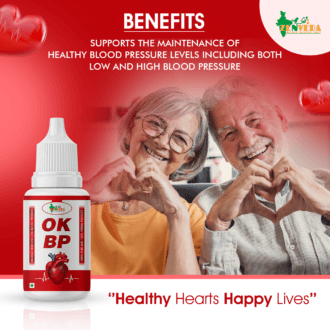
Zen Veda’s heart-and-circulation care reflects this supportive, whole-lifestyle philosophy. OK BP is a herbal formula made from certified, Uttarakhand-sourced herbs, designed to support the body’s natural blood-pressure balance as part of a healthy routine. We are careful and honest about this: blood pressure is a serious medical matter, so OK BP is a complement to a good diet, exercise, stress management and your doctor’s treatment — never a replacement for prescribed medication or regular monitoring. Explore the wider Zen Veda range or read more about our approach.
Want guidance tailored to your lifestyle? You can book a free consultation with our Vaidyas — and please keep your regular medical check-ups.
Frequently asked questions
Does high blood pressure have symptoms?
Usually not — it is typically silent, which is why it is called the silent killer. Some people notice subtle signs like headaches or dizziness when it is high, but you cannot rely on symptoms. The only reliable way to know is to measure it.
What are the warning signs of dangerously high BP?
Severe headache, chest pain, severe shortness of breath, vision loss, confusion or weakness can signal a hypertensive emergency and need immediate medical attention. Do not wait — treat these as an emergency.
Can high blood pressure be managed naturally?
Lifestyle changes — less salt, more fruits and vegetables, exercise, weight control, stress care — genuinely support healthy blood pressure and are a core part of management. For diagnosed hypertension, use them alongside your doctor’s treatment, not instead of it.
How often should I check my blood pressure?
Healthy adults should check at least once a year, and more often if you have risk factors or a family history. If you have raised blood pressure, follow your doctor’s advice on home monitoring — regular measurement is key.
When is high blood pressure an emergency?
Very high readings with symptoms such as severe headache, chest pain, breathlessness, vision changes or confusion are a medical emergency. Seek urgent care immediately rather than trying to manage it at home.
📚 Sources
1. “High Rates of Undiagnosed Target Organ Damage Among Adults with Elevated Blood Pressure.” Journal of Epidemiology and Global Health, 2023. PubMed 37883005
2. Charaka Samhita — classical descriptions of rakta (blood), hridaya (heart) and vata–pitta disturbances.
3. Ashtanga Hridayam — classical Ayurvedic reference for heart health and dosha-calming regimen.
2. Charaka Samhita — classical descriptions of rakta (blood), hridaya (heart) and vata–pitta disturbances.
3. Ashtanga Hridayam — classical Ayurvedic reference for heart health and dosha-calming regimen.
Disclaimer: This article is for educational purposes only and is not a substitute for personalised medical advice. Individual results vary. Please consult a qualified Ayurvedic practitioner or your healthcare provider before starting any new treatment, especially if you are managing a medical condition or taking medication.
★ 6,500+ happy customers
Ready to start your Ayurvedic hair journey?
Our Vaidyas build personalised herbal routines for you. Free consultation, no obligation.
For Free Consultation Contact +919548121325, +919149171737 | International business inquiry: sahil@zenveda.co.in / +919548121325
Recommended Zen Veda products
Author
