




- Your cart is empty Browse Shop
📌 Quick facts:
- HDL and LDL are both types of cholesterol carriers — one is often called “good,” the other “bad,” but the full picture is more nuanced.
- LDL carries cholesterol to tissues and, in excess, can build up in artery walls; HDL helps carry excess cholesterol back to the liver.
- A 2021 study found that non-HDL cholesterol and ApoB are often better predictors of heart risk than LDL alone.
- Ayurveda views cholesterol imbalance through the lens of meda dhatu (fat tissue) and weakened agni — addressed through diet, digestion and liver support.
Every single lipid profile report throws HDL, LDL and total cholesterol numbers at you, and most people nod along without really understanding what any of it means. “Good” and “bad” cholesterol is a useful shorthand, but it can also oversimplify a picture that actually matters a lot for long-term heart health. This guide breaks down what HDL and LDL actually do, what recent research says about assessing real risk, and how Ayurveda approaches cholesterol balance — always alongside your doctor’s monitoring.
Understanding the difference isn’t just academic — it changes how you interpret your own lab report and which numbers are actually worth paying closest attention to. It can also help you have a more informed conversation with your doctor about which markers matter most for your specific risk profile, rather than fixating on a single number in isolation.
📋 In this guide
- What is the actual difference between HDL and LDL?
- Is LDL alone the best way to measure heart risk?
- What raises LDL and lowers HDL in everyday life?
- How does Ayurveda view cholesterol balance?
- What lifestyle changes actually improve your lipid profile?
- How does Zen Veda support healthy lipid metabolism?
- Frequently asked questions
What is the actual difference between HDL and LDL?
⚡ Quick answer: LDL (low-density lipoprotein) carries cholesterol from the liver to the rest of the body, and excess LDL can deposit in artery walls, contributing to plaque buildup. HDL (high-density lipoprotein) does the reverse, carrying excess cholesterol back to the liver for removal. This is why LDL is called “bad” and HDL “good,” though both are essential in the right amounts.
Cholesterol itself isn’t harmful — it’s essential for building cells and hormones. The issue is how it’s transported. LDL particles deliver cholesterol to tissues throughout the body, and when there’s too much circulating, some of it can lodge in artery walls, triggering inflammation and plaque buildup over years. HDL particles work in the opposite direction, scavenging excess cholesterol from tissues and arteries and carrying it back to the liver for processing and removal. Both are necessary; the goal is keeping LDL in a healthy range while maintaining adequate HDL, rather than trying to eliminate cholesterol from your diet or bloodstream entirely, which isn’t realistic or even healthy.
Is LDL alone the best way to measure heart risk?
⚡ Quick answer: Not entirely. A 2021 study found that non-HDL cholesterol and ApoB — a marker reflecting the total number of artery-clogging particles — often predict cardiovascular risk more accurately than LDL alone. This matters because two people with identical LDL numbers can have meaningfully different actual risk depending on these other markers.
Research published in the Journal of the American College of Cardiology (2021) examined residual cardiovascular risk and found that non-HDL cholesterol and ApoB — which reflects the total count of LDL and other artery-clogging particles — often provide a more complete risk picture than LDL concentration alone. This is a meaningful shift in how cardiologists think about lipid panels: it’s not just how much cholesterol is in each LDL particle, but how many particles are circulating in total. You can read the study on PubMed (ID 33736827).
What raises LDL and lowers HDL in everyday life?
⚡ Quick answer: Diets high in saturated and trans fats, refined carbs and sugar tend to raise LDL, while inactivity, smoking and excess abdominal fat tend to lower HDL. Genetics also plays a significant role independent of lifestyle. Because both directions matter, managing cholesterol well means addressing the habits that shift both numbers, not just one.
Several everyday factors move LDL and HDL in opposite, unhelpful directions simultaneously. Diets high in saturated fat (fatty meats, full-fat dairy, fried foods), trans fats, and refined sugar tend to raise LDL over time. Meanwhile, a sedentary lifestyle, smoking, and excess abdominal fat tend to lower protective HDL levels. Genetics also plays an independent role — some people have naturally higher LDL regardless of diet, which is why regular testing and a doctor’s interpretation matter more than trying to self-diagnose from lifestyle factors alone. Age and hormonal changes can also shift these numbers over time, which is another reason periodic testing matters even if you feel completely healthy.
How does Ayurveda view cholesterol balance?
⚡ Quick answer: Ayurveda frames cholesterol imbalance as excess meda dhatu (fat tissue) resulting from weak agni and accumulated ama, often linked to aggravated kapha dosha. Support focuses on strengthening digestion, reducing heavy and oily foods, and using herbs traditionally believed to support healthy lipid metabolism and liver function.
In Ayurvedic terms, unhealthy cholesterol patterns reflect excess meda dhatu, the fat tissue, building up due to weakened agni and the accumulation of ama — undigested metabolic byproducts — often compounded by aggravated kapha dosha. This view naturally points toward strengthening digestion and reducing heavy, oily, and sweet foods that further aggravate kapha. Traditional herbs like guggulu, arjuna and triphala are used for their reputed effects on lipid metabolism and liver support, working alongside — never replacing — regular blood testing and medical guidance for anyone with diagnosed high cholesterol.
What lifestyle changes actually improve your lipid profile?
⚡ Quick answer: Reduce saturated and trans fats, add more fibre and healthy unsaturated fats, exercise regularly, quit smoking, and manage weight. These changes together can meaningfully lower LDL and raise HDL over a few months, often reducing the need for higher medication doses when combined with proper medical management.
| Favour | Reduce / avoid |
|---|---|
| Fibre, vegetables, healthy fats | Saturated fat, trans fat, fried food |
| Regular aerobic exercise | Sedentary lifestyle |
| Nuts, olive oil, oily fish | Excess refined sugar and carbs |
| Not smoking | Smoking, excess alcohol |
The most reliable way to improve a lipid profile is through consistent, unglamorous lifestyle change. Cut back on saturated and trans fats, replacing them with fibre-rich vegetables, whole grains and healthy unsaturated fats like nuts, olive oil and oily fish. Regular aerobic exercise, even brisk walking most days, reliably raises HDL and helps lower LDL. Quitting smoking improves HDL levels measurably within weeks. None of this replaces medication when it’s medically indicated, but for many people with borderline numbers, these changes alone produce a meaningful shift within three to six months of consistent effort and regular follow-up testing.
How does Zen Veda support healthy lipid metabolism?
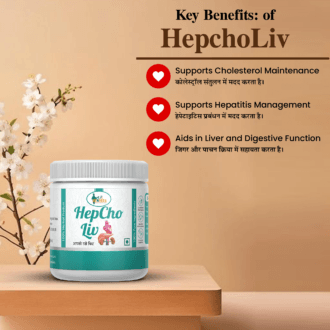
⚡ Quick answer: Zen Veda’s HepCho Liv is a herbal formula traditionally used to support liver function and healthy fat metabolism, made from certified, Uttarakhand-sourced herbs. It works best alongside a heart-healthy diet, regular exercise, and your doctor’s ongoing monitoring of your lipid profile.
HepCho Liv is formulated from certified, Uttarakhand-sourced herbs traditionally used to support healthy liver function, which plays a central role in processing and regulating cholesterol. We recommend it as a complement to a heart-healthy diet and regular checkups — never as a substitute for your doctor’s guidance on managing diagnosed high cholesterol. Explore the wider Zen Veda range, or learn more on our About Us page.
Not sure how to read your own lipid panel? You can book a free consultation with our Vaidyas for practical, judgement-free guidance tailored to your recent test results and overall health.
Frequently asked questions
What is a healthy LDL level?
Healthy LDL targets vary by individual risk factors, but generally lower is better, especially for those with existing heart disease or diabetes. Your doctor can set a personalised target for you.
Can you raise HDL naturally?
Yes, regular aerobic exercise, quitting smoking, and consuming healthy fats like olive oil and nuts are all shown to help raise HDL cholesterol naturally over several months.
Is non-HDL cholesterol more important than LDL?
Research suggests non-HDL cholesterol and ApoB often give a fuller risk picture than LDL alone, since they reflect the total number of artery-clogging particles present in circulation.
Does diet alone control cholesterol?
Diet significantly influences cholesterol, but genetics also plays a meaningful role. Some people need medication alongside lifestyle change, which is why regular testing and medical guidance matter most.
How often should cholesterol be tested?
Most adults should get a lipid panel every four to six years, or more often if you have risk factors like family history, diabetes, or existing heart disease or obesity.
📚 Sources
1. “ApoB, non-HDL cholesterol, and LDL cholesterol as predictors of residual cardiovascular risk.” Journal of the American College of Cardiology, 2021. PubMed 33736827
2. Charaka Samhita — classical descriptions of meda dhatu, kapha dosha and metabolism.
3. Ashtanga Hridayam — classical Ayurvedic reference for digestion, agni and fat tissue balance.
2. Charaka Samhita — classical descriptions of meda dhatu, kapha dosha and metabolism.
3. Ashtanga Hridayam — classical Ayurvedic reference for digestion, agni and fat tissue balance.
Disclaimer: This article is for educational purposes only and is not a substitute for personalised medical advice. Individual results vary. Please consult a qualified Ayurvedic practitioner or your healthcare provider before starting any new treatment, especially if you are managing a medical condition or taking medication.
★ 6,500+ happy customers
Ready to start your Ayurvedic hair journey?
Our Vaidyas build personalised herbal routines for you. Free consultation, no obligation.
For Free Consultation Contact +919548121325, +919149171737 | International business inquiry: sahil@zenveda.co.in / +919548121325
Recommended Zen Veda products
Author
