









- Your cart is empty Browse Shop
📌 Quick facts:
- Sustainable weight loss comes from consistent daily habits, not short bursts of extreme dieting that are hard to maintain.
- A 2025 narrative review confirmed that behavioral and dietary strategies focused on gradual, sustainable change are more effective for long-term weight loss than restrictive quick fixes.
- Simple habits like regular meal timing, adequate protein, better sleep and daily movement consistently outperform fad approaches over time.
- Ayurveda links excess weight to weak Agni (digestive fire) and imbalanced Kapha dosha, addressed through diet, routine and digestion support.
Weight loss advice is genuinely everywhere, and most of it promises fast, dramatic results through extreme restriction. But the habits that actually stick, and actually work over the long run, tend to be simpler and less dramatic than whatever diet happens to be trending online. This guide covers five genuinely effective habits, what research says about sustainable weight loss, and how Ayurveda has long, thoughtfully approached the same underlying goal.
The goal here isn’t a quick fix — it’s identifying the small, consistent changes that research and experience both show actually last, rather than another approach you’ll likely abandon within a few discouraged weeks. The habits below aren’t glamorous, but they’re the ones with genuine staying power — the kind you can realistically keep doing a year from now, which is ultimately what determines whether weight loss actually lasts.
📋 In this guide
Why do most quick-fix diets fail long-term?
⚡ Quick answer: Extreme, restrictive diets are hard to sustain, often triggering rebound weight gain once normal eating resumes. A 2025 review found that gradual, sustainable behavioral and dietary strategies outperform restrictive approaches for long-term weight loss and maintenance, not just initial results in the first few weeks.
A 2025 narrative review published in Nutrients examined dietary and behavioral strategies for weight loss and weight loss maintenance, concluding that gradual, sustainable approaches were more effective for long-term success than restrictive, quick-fix diets (Freire et al., 2025). This matters because the real challenge isn’t losing weight initially — many diets achieve that — it’s keeping it off. Extreme restriction is genuinely hard to sustain, and abandoning it often triggers rebound weight gain, which is exactly why habit-based, moderate approaches consistently perform better over the months and years that actually matter for lasting results.
Does regular meal timing actually help?
⚡ Quick answer: Yes. Regular meal timing helps regulate appetite and prevents the extreme hunger that leads to overeating later in the day. Skipping meals often backfires, causing bigger, less controlled meals afterward — so consistent, planned eating tends to support weight management better than skipping.
Eating at roughly consistent times helps keep appetite and blood sugar more stable throughout the day, reducing the extreme hunger that often leads to overeating later. Skipping meals with the intention of cutting calories frequently backfires — by the time the next meal arrives, hunger has built up so much that portion control becomes far harder, and decisions about what to eat end up being made by hunger rather than by any real planning. Consistent, planned meals, even if they don’t change much else, are a simple habit that supports steadier eating and better weight management over time.
Why does adequate protein matter for weight loss?
⚡ Quick answer: Protein supports satiety, helping you feel fuller for longer, and helps preserve muscle mass during weight loss, which keeps metabolism higher. Including adequate protein at each meal is one of the more evidence-backed habits for making weight loss feel less like a constant fight against hunger.
Protein plays a genuinely useful role in weight management: it supports satiety more than fat or carbohydrate, meaning meals with adequate protein tend to keep hunger at bay for longer. It also helps preserve muscle mass while losing weight, which matters because muscle burns more energy at rest than fat, helping protect your metabolic rate through the process rather than letting it quietly decline alongside the weight itself. Building meals around a reasonable protein source is one of the simplest, most sustainable habits for making weight loss feel manageable rather than a constant battle against hunger.
Does sleep really affect weight?
⚡ Quick answer: Yes. Poor sleep disrupts hunger-regulating hormones, often increasing appetite and cravings for high-calorie food the next day. Prioritising consistent, adequate sleep is a genuinely underrated habit for weight management, working alongside diet and exercise rather than as a separate, unrelated concern.
Sleep is one of the more overlooked pieces of the weight puzzle. Poor or insufficient sleep disrupts the hormones that regulate hunger and fullness, commonly increasing appetite and cravings for high-calorie, quick-energy foods the following day. This means someone eating well but sleeping poorly is often working against themselves without realising it. Prioritising consistent, adequate sleep supports the same hormonal systems that diet and exercise target, making it a genuinely underrated habit rather than a separate, unrelated concern. Prioritising a consistent bedtime is, in a real sense, just as much a part of weight management as anything you choose to put on your plate during the day.
How does Ayurveda view weight and digestion?
⚡ Quick answer: Ayurveda links excess weight primarily to weak Agni (digestive fire) and aggravated Kapha dosha, associated with heaviness and slow metabolism. Its approach favours light, warm, easily digestible foods, regular routine, and movement to restore digestive strength rather than restrictive dieting alone.
Classical Ayurveda attributes excess weight largely to weak Agni, the digestive and metabolic fire, combined with aggravated Kapha dosha, which carries qualities of heaviness, slowness and accumulation. Rather than prescribing restrictive dieting, the traditional approach favours light, warm, easily digestible food, a regular daily routine, and consistent movement — all aimed at strengthening digestion so the body properly processes and uses what it consumes instead of storing excess. This digestion-first framework aligns closely with the modern emphasis on sustainable habits over restriction, and it’s a useful reminder that how you eat matters alongside what you eat — rushed, irregular meals can undermine even a genuinely healthy diet.
What are the 5 habits worth building for lasting weight loss?
⚡ Quick answer: Regular meal timing, adequate protein at meals, consistent quality sleep, daily movement, and mindful, unhurried eating are the five habits most consistently linked to sustainable weight loss. None require extreme restriction, and traditional digestive support can complement them nicely as part of a broader, sustainable routine.
Bringing it together, the five habits worth prioritising are: eating at consistent times rather than skipping meals, including adequate protein at each meal, protecting consistent quality sleep, building in daily movement even if modest, and eating mindfully and unhurriedly rather than rushed or distracted. None of these require extreme restriction, which is exactly why they’re sustainable in a way crash diets rarely are. Traditional Ayurvedic digestive tonics are used alongside these habits to support the body’s own processing of food, complementing rather than fully replacing the value of these five consistent, everyday habits.
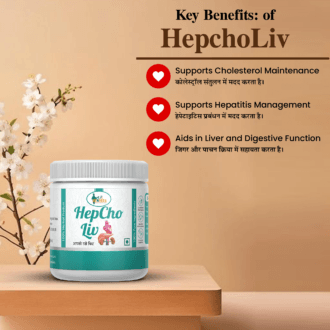
HepCho Liv by Zen Veda is formulated from certified, Uttarakhand-sourced herbs traditionally used to support healthy liver function and digestion, alongside these foundational habits. Explore our wider range of Ayurvedic wellness products, or read more on our About Us page.
Want a personalised plan for sustainable weight management? Book a free consultation with our Vaidyas.
Frequently asked questions
What is the most sustainable way to lose weight?
Consistent daily habits — regular meals, adequate protein, good sleep and movement — are more sustainable than restrictive diets, which research shows are harder to maintain long-term.
Does skipping meals help with weight loss?
Not usually — skipping meals often leads to extreme hunger and overeating later, so regular meal timing tends to support better weight management than skipping.
Why is protein important when losing weight?
Protein supports satiety and helps preserve muscle mass during weight loss, which protects metabolic rate and makes hunger easier to manage.
Can poor sleep cause weight gain?
Yes, poor sleep disrupts hunger hormones and often increases appetite and cravings the next day, making consistent sleep a genuine part of weight management.
How does Ayurveda approach weight loss?
Ayurveda links excess weight to weak Agni and aggravated Kapha dosha, favouring light, warm, easily digestible food and routine over restrictive dieting.
How long does it take to see results from these habits?
Most people notice gradual change over several weeks to months of consistent habits, which is slower than crash diets but far more likely to last.
📚 Sources
1. Freire, R. et al. “Dietary and Behavioral Strategies for Weight Loss and Weight Loss Maintenance: A Narrative Review.” Nutrients, 2025. PubMed 41515130
2. Charaka Samhita — classical description of Agni (digestive fire) and Kapha dosha in relation to weight.
3. Ashtanga Hridayam — classical Ayurvedic reference for diet, routine and digestion.
2. Charaka Samhita — classical description of Agni (digestive fire) and Kapha dosha in relation to weight.
3. Ashtanga Hridayam — classical Ayurvedic reference for diet, routine and digestion.
Disclaimer: This article is for educational purposes only and is not a substitute for personalised medical advice. Individual results vary. Please consult a qualified Ayurvedic practitioner or your healthcare provider before starting any new treatment, especially if you are managing a medical condition or taking medication.
★ 6,500+ happy customers
Ready to start your Ayurvedic hair journey?
Our Vaidyas build personalised herbal routines for you. Free consultation, no obligation.
For Free Consultation Contact +919548121325, +919149171737 | International business inquiry: sahil@zenveda.co.in / +919548121325
Recommended Zen Veda products
Author
