







- Your cart is empty Browse Shop
📌 Quick facts:
- A “slow metabolism” usually shows up as persistent fatigue, unexplained weight gain, sluggish digestion, and feeling cold more easily than others.
- Metabolic rate is shaped by muscle mass, age, activity levels and diet — including the energy your body spends digesting food itself.
- A 2019 review confirmed that digesting food burns real energy (the “thermic effect of food”), which is one reason regular, balanced meals support metabolism.
- Ayurveda frames a sluggish metabolism as weak Agni (digestive fire), addressed through diet, routine and digestion support rather than crash dieting.
“I think I have a slow metabolism” is one of the most common explanations people reach for when weight creeps up or energy dips. But metabolism is often misunderstood, and knowing what a genuinely sluggish metabolism actually looks like — versus what’s just normal variation — helps you respond sensibly. This guide covers the real signs to watch for, what genuinely shapes your metabolic rate, and how Ayurveda has long understood it.
Getting this right matters because the popular “fixes” for a slow metabolism — extreme diets and skipped meals — often make things worse, while the genuinely useful levers are more straightforward than most people expect.
📋 In this guide
- What are the common signs of a slow metabolism?
- What actually determines your metabolic rate?
- Does digesting food actually burn energy?
- Can lifestyle habits slow your metabolism down?
- How does Ayurveda explain a sluggish metabolism?
- What can you do to support a healthy metabolism?
- Frequently asked questions
What are the common signs of a slow metabolism?
⚡ Quick answer: The most common signs are persistent tiredness, gradual unexplained weight gain, sluggish digestion, feeling cold easily, and low energy despite adequate sleep. No single sign is conclusive on its own, but several appearing together over time can point toward a genuinely slower metabolic rate.
A slower metabolism tends to reveal itself through a cluster of signs rather than one dramatic symptom. Persistent fatigue even after enough sleep, gradual weight gain without an obvious change in eating, sluggish or heavy digestion, and feeling cold more readily than people around you are the ones most commonly reported. Individually, each can have other explanations, but when several show up together and persist, they’re worth paying attention to as a possible sign of a slower metabolic rate worth looking into rather than simply ignoring or accepting.
What actually determines your metabolic rate?
⚡ Quick answer: Muscle mass, age, sex, activity levels and body size are the biggest factors. Muscle burns more energy at rest than fat does, which is why losing muscle — through inactivity or ageing — tends to slow the metabolism, and why staying active helps maintain it.
Your metabolic rate isn’t a random fixed number. It’s shaped by measurable factors: muscle mass (muscle burns more energy at rest than fat), age, sex, body size and how physically active you are. This is why metabolism often appears to “slow with age” — much of that change is actually the gradual loss of muscle mass that comes with reduced activity over the years. Understanding this reframes a slow metabolism as something partly influenced by lifestyle, not purely a fixed genetic sentence. It’s a genuinely encouraging shift in perspective, because while you can’t change your age or your genes, you can meaningfully influence your muscle mass and activity levels — which happen to be two of the larger levers on the whole list. That means a metabolism that feels sluggish today isn’t necessarily fixed forever.
Does digesting food actually burn energy?
⚡ Quick answer: Yes. A 2019 review confirmed the “thermic effect of food” — the energy your body spends digesting, absorbing and processing what you eat. Protein has a notably higher thermic effect than fat or carbohydrate, which is one reason balanced, protein-inclusive meals support a healthy metabolism.
A 2019 review published in the Journal of the American College of Nutrition examined the thermic effect of food — the genuine energy cost of digesting and processing meals (Calcagno et al., 2019). Your body spends measurable energy simply breaking down food, and protein carries a higher thermic effect than carbohydrate or fat. This is part of why very restrictive eating can backfire: skipping meals and under-eating reduces this digestion-related energy expenditure and can leave you feeling more sluggish, not less. The simple act of eating regular, properly composed meals keeps this part of your daily energy expenditure ticking along, whereas erratic or repeatedly skipped eating quietly lets it fall away over time.
Can lifestyle habits slow your metabolism down?
⚡ Quick answer: Yes. A sedentary routine, chronic under-eating, poor sleep and loss of muscle all contribute to a slower metabolism. Many of these are self-reinforcing — inactivity leads to muscle loss, which lowers metabolic rate, which makes activity feel harder, continuing the cycle.
Several everyday habits genuinely influence metabolic rate. A sedentary routine gradually reduces muscle mass; chronic crash dieting signals the body to conserve energy; and poor sleep disrupts the hormones involved in metabolism and appetite. What makes this tricky is how self-reinforcing these patterns are — less activity leads to less muscle, which lowers the metabolic rate, which in turn makes movement feel more effortful. Breaking the cycle usually starts with consistent activity and regular, adequate meals rather than further restriction. The key insight is that the intuitive response to a slow metabolism — eating even less — often deepens the very problem it’s meant to solve, since it accelerates muscle loss and signals the body to conserve energy even harder. Working with the metabolism rather than against it tends to be far more effective over time.
How does Ayurveda explain a sluggish metabolism?
⚡ Quick answer: Ayurveda describes a sluggish metabolism as weak Agni — the digestive and metabolic fire. When Agni is low, food isn’t properly transformed, leading to accumulation of ama (metabolic residue) and the heaviness, sluggishness and weight gain associated with slow metabolism.
Classical Ayurveda has a precise concept for this: Agni, the digestive and metabolic fire responsible for transforming food into usable energy and tissue. When Agni is weak, food is incompletely processed, leading to the build-up of ama — a kind of metabolic residue — and the heaviness, fatigue and sluggish digestion that mirror what modern language calls a slow metabolism. This is why Ayurvedic guidance for metabolism focuses on strengthening digestion through routine, appropriate diet and digestive support, rather than starving the body further.
What can you do to support a healthy metabolism?
⚡ Quick answer: Stay physically active to preserve muscle, eat regular balanced meals rather than skipping them, prioritise protein, get adequate sleep, and support digestion. These address the actual drivers of metabolic rate, and traditional digestive tonics can complement them, though lifestyle remains the foundation.
The genuinely effective steps are less dramatic than most metabolism “hacks” suggest: stay active to preserve muscle mass, eat regular balanced meals instead of skipping them, include adequate protein, prioritise good sleep, and support healthy digestion. These target the real determinants of metabolic rate rather than chasing quick fixes. Traditional Ayurvedic tonics that support digestion and strength are used alongside these habits, working as a complement to consistent lifestyle change rather than a replacement for it.
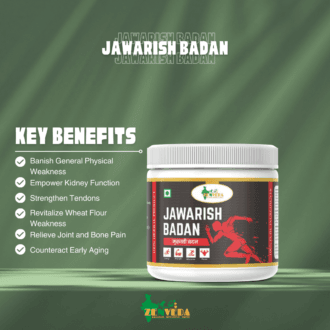
Jawarish Badan by Zen Veda is a men’s wellness tonic blending classical Ayurvedic and Unani herbs traditionally used to support strength, stamina and everyday vitality. Explore our wider range of Ayurvedic wellness products, or read more on our About Us page.
Want personalised guidance for your energy and digestion? Book a free consultation with our Vaidyas.
Frequently asked questions
What are the main signs of a slow metabolism?
Persistent fatigue, gradual unexplained weight gain, sluggish digestion and feeling cold easily are the most commonly reported signs, particularly when several appear together over time.
Does metabolism really slow with age?
Much of the age-related slowdown is actually the loss of muscle mass from reduced activity, which is why staying active helps maintain metabolic rate as you get older.
Can skipping meals slow my metabolism?
Chronic under-eating and skipped meals can signal the body to conserve energy and reduce the digestion-related energy you’d otherwise spend, often leaving you feeling more sluggish.
Does eating protein help metabolism?
Protein has a higher thermic effect than fat or carbohydrate, meaning your body spends more energy digesting it, which is one reason balanced protein-inclusive meals support metabolism.
How does Ayurveda view slow metabolism?
Ayurveda describes it as weak Agni (digestive fire) leading to ama (metabolic residue), addressed through diet, routine and digestion support rather than restriction.
Can a slow metabolism be improved?
Yes, staying active to preserve muscle, eating regular balanced meals, prioritising protein and sleep, and supporting digestion all help support a healthier metabolic rate over time.
📚 Sources
1. Calcagno, M. et al. “The Thermic Effect of Food: A Review.” Journal of the American College of Nutrition, 2019. PubMed 31021710
2. Charaka Samhita — classical description of Agni (digestive fire) and ama (metabolic residue).
3. Ashtanga Hridayam — classical Ayurvedic reference for digestion, metabolism and daily routine.
2. Charaka Samhita — classical description of Agni (digestive fire) and ama (metabolic residue).
3. Ashtanga Hridayam — classical Ayurvedic reference for digestion, metabolism and daily routine.
Disclaimer: This article is for educational purposes only and is not a substitute for personalised medical advice. Individual results vary. Please consult a qualified Ayurvedic practitioner or your healthcare provider before starting any new treatment, especially if you are managing a medical condition or taking medication.
★ 6,500+ happy customers
Ready to start your Ayurvedic hair journey?
Our Vaidyas build personalised herbal routines for you. Free consultation, no obligation.
For Free Consultation Contact +919548121325, +919149171737 | International business inquiry: sahil@zenveda.co.in / +919548121325
Recommended Zen Veda products
Author
