







- Your cart is empty Browse Shop
📌 Quick facts:
- SGPT (ALT) and SGOT (AST) are enzymes that leak into the bloodstream when liver cells are stressed or damaged.
- A widely used clinical guideline confirms these tests are sensitive but not specific — elevated levels signal a problem but not always which one.
- Normal ranges are roughly 7-56 U/L for SGPT and 5-40 U/L for SGOT, though exact cutoffs vary by lab.
- Ayurveda views elevated liver enzymes as a sign of disturbed agni and accumulated ama — addressed through diet, digestion and liver support.
Seeing “SGPT high” or “SGOT elevated” on a routine lab report is unsettling, especially when the report offers no real explanation of what these numbers actually mean. The good news is that these two values, while important, are rarely something to panic over on their own — they’re a starting signal, not a diagnosis. This guide explains what SGPT and SGOT actually measure, what clinical guidelines say about interpreting them, and how Ayurveda approaches supporting liver health — always alongside your doctor’s evaluation.
Understanding what these two numbers are actually telling you takes away a lot of the anxiety that comes with an unfamiliar lab report, and helps you ask your doctor sharper, more useful questions. It also helps you avoid the common trap of either ignoring a genuinely concerning trend or panicking over a single mild, easily explained reading.
📋 In this guide
- What do SGPT and SGOT actually measure?
- What do clinical guidelines say about interpreting these numbers?
- What are the most common causes of mildly elevated SGPT/SGOT?
- How does Ayurveda understand elevated liver enzymes?
- What lifestyle changes help bring these numbers down?
- How does Zen Veda support liver health?
- Frequently asked questions
What do SGPT and SGOT actually measure?
⚡ Quick answer: SGPT (also called ALT) and SGOT (also called AST) are enzymes normally found inside liver cells. When liver cells are stressed, inflamed or damaged, these enzymes leak into the bloodstream, raising their levels on a blood test. SGPT is more liver-specific, while SGOT can also rise from muscle or heart-related causes.
Under normal conditions, SGPT and SGOT stay mostly contained within liver cells, doing their job in everyday metabolism. When something disturbs those cells — inflammation, fatty deposits, viral infection, certain medications or alcohol — the cell membranes become more permeable and these enzymes spill into the bloodstream in larger amounts, which is what a blood test picks up. SGPT (ALT) is considered more specific to the liver, while SGOT (AST) is also present in muscle and heart tissue, meaning it can rise from causes unrelated to the liver, such as intense exercise or muscle injury.
What do clinical guidelines say about interpreting these numbers?
⚡ Quick answer: A widely referenced clinical guideline confirms that ALT and AST are sensitive indicators of liver stress, but the degree of elevation and the pattern between the two values matters more than a single number in isolation. Mildly elevated levels are common and often resolve on their own, while very high or persistent elevations warrant a fuller work-up.
A clinical guideline published in the American Journal of Gastroenterology (2017) on evaluating abnormal liver chemistries outlined how the pattern and degree of ALT and AST elevation — rather than a single reading — guides further evaluation, including testing for viral hepatitis, fatty liver disease, alcohol-related causes, and less common conditions when initial results don’t explain the pattern. This is worth knowing because it means one mildly elevated report, especially if isolated, is rarely an emergency — it’s information your doctor uses alongside your history, other tests and follow-up trends to build a fuller picture. You can read the guideline on PubMed (ID 27995906).
What are the most common causes of mildly elevated SGPT/SGOT?
⚡ Quick answer: The most common causes of mild elevation are fatty liver, alcohol use, certain medications, and recent intense exercise. Viral hepatitis and less common conditions are also considered, especially if levels are significantly elevated or don’t improve with lifestyle changes. Most mild elevations are manageable once the underlying cause is identified.
In everyday clinical practice, the most frequent reasons for a mildly elevated SGPT or SGOT are fatty liver (often related to diet, weight and inactivity), regular alcohol consumption, certain common medications, and sometimes simply recent strenuous exercise, which can transiently raise SGOT. Viral hepatitis, autoimmune conditions and rarer genetic disorders are also part of a thorough work-up, particularly when levels are significantly elevated, rising over time, or not explained by the more common causes. This is exactly why your doctor may ask about alcohol intake, medications, recent exercise and diet before ordering additional tests — the context genuinely changes the likely explanation.
How does Ayurveda understand elevated liver enzymes?
⚡ Quick answer: Ayurveda views elevated liver enzymes as a reflection of disturbed agni (digestive fire) and accumulated ama (metabolic toxins) affecting yakrit (the liver). Support focuses on rekindling digestion, clearing ama, and using herbs traditionally believed to support liver function, alongside — never instead of — medical evaluation and monitoring.
In Ayurvedic terms, the liver, or yakrit, is a key seat of pitta and central to metabolic processing. Elevated liver enzymes are read as a sign that agni has weakened and ama has accumulated, placing strain on the liver’s normal function — a framework that maps reasonably well onto the modern picture of fatty liver, poor diet and metabolic stress driving enzyme elevation. Traditional support includes herbs like kutki, bhumi amla and punarnava, chosen for their reputed liver-supporting properties, always used as a complement to medical testing and monitoring rather than a replacement for identifying the underlying cause.
What lifestyle changes help bring these numbers down?
⚡ Quick answer: Reducing alcohol, losing excess weight gradually, cutting sugar and refined carbs, and reviewing medications with your doctor are the most effective everyday steps for mildly elevated liver enzymes tied to lifestyle causes. Most people see improvement within a few months of consistent change, though the exact cause should still be confirmed medically.
| Helpful step | Why it helps |
|---|---|
| Reduce or eliminate alcohol | Removes a major direct liver stressor |
| Gradual weight loss | Reduces fatty liver, a common cause |
| Cut sugar, refined carbs | Improves insulin resistance and liver fat |
| Review medications with doctor | Some drugs affect liver enzymes |
Since fatty liver and lifestyle factors are the most common drivers of mild SGPT/SGOT elevation, the same changes that help fatty liver tend to help here too. Reducing or eliminating alcohol removes a direct, well-established liver stressor. Gradual, sustained weight loss reduces fat accumulation in the liver, often the single biggest lever for improvement. Cutting sugar and refined carbohydrates improves the underlying insulin resistance that drives much of this pattern. And reviewing your current medications and supplements with your doctor is worth doing, since certain common drugs can elevate these enzymes without causing lasting harm once identified and adjusted appropriately.
How does Zen Veda support liver health?
⚡ Quick answer: Zen Veda’s HepCho Liv is a herbal formula traditionally used to support healthy liver function, made from certified, Uttarakhand-sourced herbs. It works best alongside identifying and addressing the actual cause behind elevated enzymes, with regular follow-up testing and your doctor’s guidance for anything beyond a mild, explained elevation.
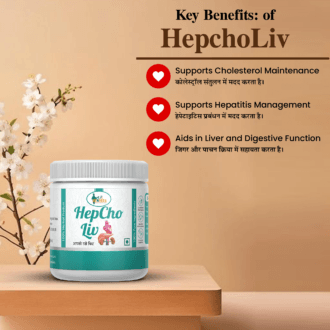
HepCho Liv is formulated from certified, Uttarakhand-sourced herbs traditionally used to support healthy liver function and metabolism. We recommend it as part of a broader plan that addresses the actual cause behind elevated SGPT or SGOT — not as a stand-alone fix — and encourage follow-up testing with your doctor to confirm the numbers are trending in the right direction. Explore the wider Zen Veda range, or learn more on our About Us page.
Confused by your own liver panel? You can book a free consultation with our Vaidyas for clear, practical guidance suited to your specific report.
Frequently asked questions
What is a normal SGPT and SGOT range?
Typical reference ranges are roughly 7-56 U/L for SGPT and 5-40 U/L for SGOT, though exact cutoffs vary slightly between laboratories and testing methods.
Is mildly elevated SGPT dangerous?
Not necessarily. Mild elevation is common and often linked to manageable causes like fatty liver, but it’s still worth discussing with your doctor to identify the specific reason.
Can exercise raise SGOT levels?
Yes, intense recent exercise can transiently raise SGOT since this enzyme is also present in muscle tissue, not just the liver.
What is the most common cause of elevated liver enzymes?
Fatty liver, often related to diet, weight and inactivity, is one of the most common causes of mildly elevated SGPT and SGOT in everyday clinical practice.
When should elevated liver enzymes be investigated further?
See a doctor for further testing if levels are significantly elevated, rising over time, or not explained by common causes like fatty liver, alcohol or medication.
📚 Sources
1. “ACG Clinical Guideline: Evaluation of Abnormal Liver Chemistries.” American Journal of Gastroenterology, 2017. PubMed 27995906
2. Charaka Samhita — classical descriptions of yakrit, agni and ama in liver function.
3. Ashtanga Hridayam — classical Ayurvedic reference for digestion and liver-supporting regimen.
2. Charaka Samhita — classical descriptions of yakrit, agni and ama in liver function.
3. Ashtanga Hridayam — classical Ayurvedic reference for digestion and liver-supporting regimen.
Disclaimer: This article is for educational purposes only and is not a substitute for personalised medical advice. Individual results vary. Please consult a qualified Ayurvedic practitioner or your healthcare provider before starting any new treatment, especially if you are managing a medical condition or taking medication.
★ 6,500+ happy customers
Ready to start your Ayurvedic hair journey?
Our Vaidyas build personalised herbal routines for you. Free consultation, no obligation.
For Free Consultation Contact +919548121325, +919149171737 | International business inquiry: sahil@zenveda.co.in / +919548121325
Recommended Zen Veda products
Author
