


- Your cart is empty Browse Shop
📌 Quick facts:
- Salt is a major driver of high blood pressure, but it is far from the only one — several other factors matter just as much.
- A 2023 crossover trial found that reducing dietary sodium lowered blood pressure meaningfully within just one week in most participants.
- Excess weight, low potassium intake, regular alcohol use, chronic stress, and inactivity all independently raise blood pressure, sometimes as much as salt itself.
- Ayurveda links high BP to aggravated vata and pitta disturbing circulation — addressed through diet, stress management and routine, alongside medical care.
“Cut your salt” is nearly always the first thing everyone hears after a high blood pressure diagnosis — and it’s genuinely good, well-founded advice. But treating salt as the only lever tends to leave real progress on the table, because several other everyday factors matter nearly as much. This guide explains what recent research actually shows about salt and BP, what else deserves your attention, and how Ayurveda approaches blood pressure holistically — always alongside your doctor’s monitoring and treatment.
Understanding the fuller picture doesn’t mean salt doesn’t matter — it very much does. It means that focusing on salt alone, while ignoring weight, potassium, stress and activity, often leaves a meaningful amount of blood pressure improvement unclaimed. Many people who feel discouraged after cutting salt without seeing much change are often missing one or two of these other equally important pieces.
📋 In this guide
- Does reducing salt actually lower blood pressure?
- What other factors affect blood pressure as much as salt?
- How much salt is actually too much?
- How does Ayurveda approach high blood pressure?
- What daily habits help lower blood pressure long-term?
- How does Zen Veda support healthy blood pressure?
- Frequently asked questions
Does reducing salt actually lower blood pressure?
⚡ Quick answer: Yes, clearly. A 2023 crossover trial found that reducing dietary sodium produced meaningful blood pressure reductions within just one week in the large majority of participants, regardless of whether they already had hypertension. This confirms salt reduction as one of the fastest-acting, most reliable dietary changes for blood pressure.
A landmark, well-designed crossover trial published in JAMA (2023) tested a high-sodium versus low-sodium diet in the very same participants over one-week periods, finding that the vast majority experienced a measurable blood pressure reduction on the low-sodium diet — including people without previously diagnosed hypertension. This confirms that sodium reduction works quickly and broadly, not just for a subset of “salt-sensitive” individuals as once thought. You can read the study on PubMed (ID 37950918).
What other factors affect blood pressure as much as salt?
⚡ Quick answer: Excess weight, low potassium intake, regular alcohol consumption, chronic stress, poor sleep, and inactivity all independently raise blood pressure — sometimes as significantly as sodium. Because these factors often compound each other, addressing only salt while ignoring the rest usually produces smaller results than a combined approach.
Blood pressure responds to a whole cluster of everyday factors, not sodium alone. Carrying excess weight, particularly around the abdomen, increases BP through several mechanisms including insulin resistance. Low potassium intake — common when diets are low in fruits and vegetables — reduces the body’s ability to balance sodium’s effects. Regular alcohol use, chronic stress, poor sleep and physical inactivity each independently raise blood pressure as well. Because these factors interact and compound, someone who only cuts salt but continues to carry excess weight and stay inactive often sees far less improvement than someone addressing several factors together. This is why doctors typically recommend a combined lifestyle approach rather than a single dietary tweak when managing blood pressure long-term.
How much salt is actually too much?
⚡ Quick answer: Most established health guidelines recommend keeping intake under five grams of salt (about one teaspoon) per day, while average intake in many diets is well above this — often from processed food, snacks, and restaurant meals rather than salt added at the table. Reading labels and cooking more at home are the most practical ways to actually hit this target.
The gap between the recommended and the actual daily salt intake is usually driven by hidden sources — packaged snacks, pickles, papads, processed sauces, and restaurant food — rather than the salt shaker itself. Most people underestimate how much sodium comes from these sources because the taste isn’t always overtly salty. Reading nutrition labels, cooking more meals at home with controlled seasoning, and being mindful of processed and restaurant food are far more effective strategies than simply using less salt while cooking, which alone rarely closes the gap.
How does Ayurveda approach high blood pressure?
⚡ Quick answer: Ayurveda links high blood pressure to aggravated vata and pitta doshas disturbing circulation and the nervous system, often worsened by stress, poor sleep and irregular routine. Support focuses on calming vata, cooling excess pitta, and using diet, routine and herbs traditionally believed to support healthy circulation.
Ayurveda views persistent high blood pressure through the combined lens of aggravated vata dosha, which governs circulation and the nervous system, and excess pitta, linked to heat and intensity in the body. Chronic stress, irregular routine and poor sleep are seen as key aggravating factors for both doshas simultaneously. Traditional support emphasises calming daily routine (dinacharya), stress-reducing practices, and herbs traditionally used to support healthy circulation and a calm nervous system — always used alongside, never instead of, prescribed blood pressure medication and regular monitoring.
What daily habits help lower blood pressure long-term?
⚡ Quick answer: Reduce processed food and added salt, eat more potassium-rich fruits and vegetables, maintain a healthy body weight, exercise regularly, limit alcohol intake, and manage stress through practices like deep breathing or meditation. Combined, these changes typically produce a bigger drop in blood pressure than any single change alone.
| Favour | Reduce / avoid |
|---|---|
| Fruits, vegetables, potassium-rich foods | Processed food, excess salt |
| Regular exercise, healthy weight | Sedentary lifestyle, excess weight |
| Stress management, good sleep | Chronic stress, poor sleep |
| Moderate or no alcohol | Regular heavy alcohol use |
Meaningfully lowering blood pressure long-term usually comes from addressing several of these factors together rather than fixating on just one. Building meals around fruits, vegetables and whole foods naturally reduces sodium while increasing potassium. Regular exercise and maintaining a healthy weight both directly improve blood pressure through independent mechanisms. Prioritising sleep and building in daily stress management — even just ten minutes of deep breathing — measurably helps as well. None of these changes work as fast as medication, but combined and sustained, they produce real, lasting improvement that often allows for lower medication doses over time, under medical supervision. Tracking your blood pressure at home regularly also helps you and your doctor see which changes are actually making the biggest difference for you personally.
How does Zen Veda support healthy blood pressure?
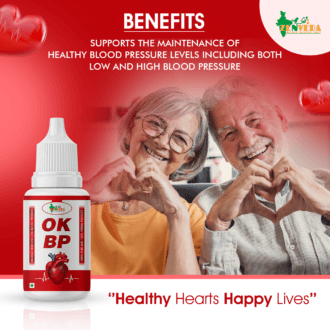
⚡ Quick answer: Zen Veda’s OK BP is a herbal formula traditionally used to support healthy blood pressure and circulation, made from certified, Uttarakhand-sourced herbs. It works best alongside a low-sodium diet, regular exercise, and consistent monitoring with your doctor — never as a replacement for prescribed medication.
OK BP is formulated from certified, Uttarakhand-sourced herbs traditionally used to support healthy blood pressure and circulation. We are careful to frame it honestly: for diagnosed hypertension, it is a complement to medical treatment, diet and lifestyle — never a substitute for your prescribed medication or regular monitoring. Explore the wider Zen Veda range, or learn more on our About Us page.
Want a practical plan beyond just cutting salt? You can book a free consultation with our Vaidyas for holistic guidance suited to your routine, diet and stress levels.
Frequently asked questions
Is salt the only cause of high blood pressure?
No. While salt is a major factor, weight, potassium intake, alcohol, stress, sleep and inactivity all independently affect blood pressure, sometimes as much or more than sodium itself does.
How quickly can cutting salt lower blood pressure?
Research shows meaningful blood pressure reductions within just one week of reduced sodium intake, making it one of the fastest, most reliable dietary changes for BP.
Does potassium help lower blood pressure?
Yes, potassium-rich whole foods like fruits and vegetables help balance sodium’s effects on blood pressure, which is why a diet low in potassium can worsen BP even without any excess salt intake.
Can stress alone raise blood pressure?
Yes, chronic stress raises blood pressure through hormonal and nervous system effects, and Ayurveda links this to aggravated vata and pitta doshas disturbing healthy circulation over time.
Where does most hidden dietary salt come from?
Most hidden dietary salt comes from processed snacks, pickles, sauces and restaurant food rather than salt added at the table, which is why careful label reading matters more than most people realise.
📚 Sources
1. “Effects of dietary sodium on blood pressure: a crossover trial.” JAMA, 2023. PubMed 37950918
2. Charaka Samhita — classical descriptions of vata and pitta doshas in circulation and the nervous system.
3. Ashtanga Hridayam — classical Ayurvedic reference for stress, routine and circulatory health.
2. Charaka Samhita — classical descriptions of vata and pitta doshas in circulation and the nervous system.
3. Ashtanga Hridayam — classical Ayurvedic reference for stress, routine and circulatory health.
Disclaimer: This article is for educational purposes only and is not a substitute for personalised medical advice. Individual results vary. Please consult a qualified Ayurvedic practitioner or your healthcare provider before starting any new treatment, especially if you are managing a medical condition or taking medication.
★ 6,500+ happy customers
Ready to start your Ayurvedic hair journey?
Our Vaidyas build personalised herbal routines for you. Free consultation, no obligation.
For Free Consultation Contact +919548121325, +919149171737 | International business inquiry: sahil@zenveda.co.in / +919548121325
Recommended Zen Veda products
Author
