




- Your cart is empty Browse Shop
📌 Quick facts:
- Abhyanga is the Ayurvedic practice of daily self-massage with warm oil, traditionally done before bathing.
- A small clinical pilot study found abhyanga massage produced measurable relaxation and wellbeing benefits in participants.
- Just ten minutes daily is enough to gain most of the practical benefits — it doesn’t require a long spa-style ritual.
- Ayurveda considers abhyanga essential for balancing vata dosha, nourishing skin tissue, and supporting circulation and sleep quality.
Abhyanga — daily self-massage with warm oil — is one of Ayurveda’s oldest and simplest daily practices, yet it’s one of the first things people drop when life gets busy. Ten minutes feels like a lot to spare, until you understand what it’s actually doing for your nervous system, skin and sleep. This guide explains why this small daily ritual matters, what research shows, and how to build it into an already-busy routine.
Unlike many wellness practices that require special equipment or significant time, abhyanga needs only oil, ten minutes, and a bit of consistency — which is exactly why it has survived as a daily practice for thousands of years. It has outlasted countless wellness trends precisely because it asks so little while offering a genuinely noticeable return, even from the very first week of regular practice.
📋 In this guide
- What exactly is abhyanga, and why does Ayurveda recommend it daily?
- What does modern research say about abhyanga’s benefits?
- What are the practical, everyday benefits of daily oil massage?
- Do you really need to spend a long time on abhyanga?
- Are there times you should avoid abhyanga?
- How does Zen Veda support your abhyanga routine?
- Frequently asked questions
What exactly is abhyanga, and why does Ayurveda recommend it daily?
⚡ Quick answer: Abhyanga is a warm oil self-massage traditionally done every morning before bathing, using gentle, rhythmic strokes over the whole body. Ayurveda recommends it daily because vata dosha — associated with dryness, movement and the nervous system — is considered especially prone to daily imbalance, which oil massage is believed to calm.
In Ayurveda, abhyanga involves applying warm oil to the entire body using long strokes on the limbs and circular strokes over joints, followed by a short rest before bathing. It’s recommended daily, ideally in the morning, because vata dosha — governing movement, the nervous system and dryness in the body — is considered the most easily aggravated of the three doshas in daily life, especially with modern stress, screen time and irregular routines. A daily oil massage is seen as one of the simplest, most direct ways to keep vata grounded and calm.
What does modern research say about abhyanga’s benefits?
⚡ Quick answer: A pilot clinical study on abhyanga massage found measurable improvements in participants’ relaxation and subjective wellbeing after regular sessions. While research on this specific traditional practice is still limited, its findings align with the broader, well-established evidence for massage therapy’s effects on stress and the nervous system.
A pilot study published in the Journal of Alternative and Complementary Medicine (2011) examined abhyanga massage and reported measurable relaxation effects and improved subjective wellbeing among participants following regular sessions. While formal clinical research specifically on abhyanga remains limited compared to more studied massage forms, this finding fits comfortably within the much larger body of evidence showing that regular massage reduces stress hormones and activates the parasympathetic “rest and digest” nervous system response. You can read the pilot study on PubMed (ID 21568717).
What are the practical, everyday benefits of daily oil massage?
⚡ Quick answer: Beyond relaxation, daily abhyanga is traditionally linked to better sleep quality, softer and more nourished skin, improved circulation, reduced joint stiffness, and a calmer start to the day. Many people also find the ritual itself — a few quiet, unhurried minutes — valuable simply as a buffer against a rushed morning.
The physical benefits of regular oil massage are fairly intuitive: warm oil nourishes and softens skin, gentle massage improves local circulation, and the movement of joints during the practice can ease stiffness, especially in colder weather or sedentary lifestyles. Just as importantly, the ritual itself creates a built-in pause before the day’s demands begin — a rare moment of unhurried, tactile self-care that many people otherwise never build into their routine. Over time, this daily grounding is often reported to translate into steadier energy and better sleep at night. Many people also notice that their skin needs less additional moisturiser over time, since the daily oiling itself keeps it consistently nourished.
Do you really need to spend a long time on abhyanga?
⚡ Quick answer: No — even a focused ten-minute self-massage before your regular bath captures most of the practical benefits. A full traditional abhyanga can take longer, but a consistent short daily version is far more valuable than an elaborate ritual done rarely. Consistency, not duration, is what actually matters here.
| Do | Avoid |
|---|---|
| 10 minutes daily, warm oil | Skipping because “no time for the full ritual” |
| Gentle, rhythmic strokes | Vigorous, rushed rubbing |
| Short rest before bathing | Washing off immediately |
| Consistency over weeks | One-off occasional sessions |
A common reason people skip abhyanga is the assumption that it requires a long, elaborate ritual. In practice, ten focused minutes before your regular bath — applying warm oil with gentle strokes over arms, legs and torso, then letting it sit briefly before washing — is enough to gain most of the benefit. The value comes from doing it consistently, day after day, rather than doing an occasional hour-long version once a month. Building it into an existing routine, like right before your morning shower, makes it far easier to sustain. Keeping the oil bottle visibly next to your towel or shower supplies is a simple trick that removes the friction of remembering, making the habit far more likely to stick over the following weeks.
Are there times you should avoid abhyanga?
⚡ Quick answer: Abhyanga is generally avoided during fever, acute illness, right after eating a heavy meal, or during menstruation for some traditions. It’s also worth checking with a practitioner if you have a skin condition, since the oil and massage technique may need adjusting. For most healthy adults, though, it’s suitable as a daily practice.
While abhyanga is broadly safe and beneficial for most people, a few situations call for caution or a pause. Ayurveda traditionally advises against it during fever or acute illness, when the body’s energy is better directed toward recovery. It’s also best avoided right after a heavy meal, and some traditions suggest skipping it during menstruation. If you have an active skin condition, infection, or a specific medical concern, it’s worth checking with a doctor or Ayurvedic practitioner about the right oil and approach for your situation before starting a daily practice. Pregnant women should also consult a practitioner first, since technique and oil choice may need to be adjusted for safety and comfort.
How does Zen Veda support your abhyanga routine?
⚡ Quick answer: Zen Veda’s Hunter Tila Oil is a herbal oil traditionally used for daily massage and abhyanga, made from certified, Uttarakhand-sourced herbs. It’s designed to fit easily into a short daily routine, supporting skin nourishment and the grounding, calming ritual that abhyanga is meant to provide.
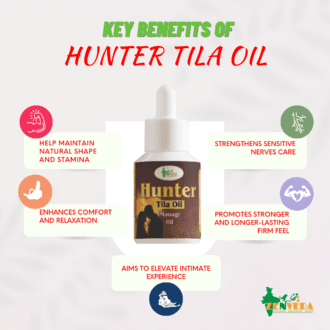
Hunter Tila Oil is formulated from certified, Uttarakhand-sourced herbs, designed for daily massage and traditional abhyanga practice. We encourage building it into an existing routine — like just before your regular bath — rather than treating it as one more task requiring extra time you don’t have. Explore the wider Zen Veda range, or learn more on our About Us page.
Curious how to fit abhyanga into your morning? You can book a free consultation with our Vaidyas for simple, practical guidance suited to your daily routine and skin type.
Frequently asked questions
What is abhyanga in Ayurveda?
Abhyanga is the traditional Ayurvedic practice of daily self-massage with warm oil, usually done every morning before bathing to balance vata dosha and nourish the body.
How long should a daily abhyanga session be?
Around ten minutes is enough to gain most practical benefits. A longer, traditional session can be done occasionally, but daily consistency matters far more than session duration.
What oil is best for abhyanga?
Traditional herbal oils formulated specifically for massage, warmed slightly before use, are generally preferred, as warmth helps the oil absorb and enhances the calming effect on vata dosha.
Does massage really reduce stress?
Yes, regular massage is well documented to activate the parasympathetic nervous system, lowering stress hormones and promoting deep relaxation, which abhyanga’s own pilot research also reflects clearly.
When is the best time to do abhyanga?
Mornings, right before bathing, are traditionally preferred, since it sets a calm, grounded tone for the day ahead and allows the oil to be washed off afterward easily.
📚 Sources
1. “A pilot study of Abhyanga massage.” Journal of Alternative and Complementary Medicine, 2011. PubMed 21568717
2. Charaka Samhita — classical description of abhyanga and its role in balancing vata dosha.
3. Ashtanga Hridayam — classical Ayurvedic reference for daily oil massage as part of dinacharya.
2. Charaka Samhita — classical description of abhyanga and its role in balancing vata dosha.
3. Ashtanga Hridayam — classical Ayurvedic reference for daily oil massage as part of dinacharya.
Disclaimer: This article is for educational purposes only and is not a substitute for personalised medical advice. Individual results vary. Please consult a qualified Ayurvedic practitioner or your healthcare provider before starting any new treatment, especially if you are managing a medical condition or taking medication.
★ 6,500+ happy customers
Ready to start your Ayurvedic hair journey?
Our Vaidyas build personalised herbal routines for you. Free consultation, no obligation.
For Free Consultation Contact +919548121325, +919149171737 | International business inquiry: sahil@zenveda.co.in / +919548121325
Recommended Zen Veda products
Author
