









- Your cart is empty Browse Shop
📌 Quick facts:
- Self-care is not indulgence — research consistently links it to better stress resilience, mood and long-term health.
- Most people don’t skip self-care from laziness; they skip it because of guilt, time pressure and the belief that others’ needs must come first.
- A large 2021 meta-analysis found that supporting basic psychological needs — autonomy, competence and connection — improves wellbeing across contexts.
- Ayurveda has always treated daily self-care (dinacharya) as essential medicine, not a luxury, for maintaining balance across mind and body.
Almost everyone agrees self-care matters, and almost everyone still skips it. It gets pushed to “later,” reframed as selfish, or replaced entirely by looking after work, family and everyone else’s needs. This guide looks at why we actually forget self-care, what research says about its real impact, and how Ayurveda has treated daily self-care as a non-negotiable foundation of health for centuries — not an occasional treat.
The irony is that neglecting self-care doesn’t make you more productive or more available to others — it usually does the opposite, gradually eroding the energy, patience and health that everything else depends on. Recognising this pattern early, rather than after burnout hits, is what makes it possible to build sustainable habits instead of cycling through crisis and recovery again and again.
📋 In this guide
- Why do we forget self-care in the first place?
- Is self-care actually backed by research, or is it just a trend?
- What happens to the body and mind when self-care is chronically skipped?
- How does Ayurveda treat self-care differently?
- What small self-care habits actually make a difference?
- How does Zen Veda support everyday self-care?
- Frequently asked questions
Why do we forget self-care in the first place?
⚡ Quick answer: Self-care is usually skipped because of guilt, time pressure, and a cultural belief that putting yourself first is selfish. It also has no immediate, visible cost — skipping it once doesn’t cause obvious harm — so it keeps losing out to more urgent-seeming demands, until the cumulative effect eventually shows up as burnout or exhaustion.
Self-care rarely feels urgent in the moment. Work deadlines, family needs and daily obligations all feel immediate and non-negotiable, while resting, eating well or simply pausing feels optional — something you can “make up for” later. Add in cultural messaging that equates self-sacrifice with virtue, especially for women and caregivers, and self-care starts to feel indulgent or even guilt-inducing. The problem is that this cost isn’t visible day to day; it accumulates silently until fatigue, irritability or illness forces the issue, by which point recovery takes far longer than regular small maintenance would have.
Is self-care actually backed by research, or is it just a trend?
⚡ Quick answer: Yes — a major 2021 meta-analysis found that supporting basic psychological needs (autonomy, competence and connection to others) consistently improves wellbeing across many life contexts. This isn’t about bubble baths; it’s about structurally protecting the conditions — rest, choice, connection — that let people function well over time.
A comprehensive meta-analysis published in Health Psychology Review (2021) synthesised decades of research on self-determination theory, concluding that satisfying three basic psychological needs — a sense of autonomy, a sense of competence, and meaningful connection to others — reliably predicts better wellbeing across work, health and relationship contexts. This reframes self-care away from occasional pampering and toward something more structural: protecting time for rest, maintaining a sense of control over your own choices, and nurturing real connection. You can read the meta-analysis on PubMed (ID 31983293).
What happens to the body and mind when self-care is chronically skipped?
⚡ Quick answer: Chronic self-neglect keeps stress hormones elevated, disrupts sleep, weakens immunity, and gradually reduces patience, focus and emotional resilience. Over months and years, this compounds into burnout, anxiety, or physical health issues — the exact opposite of the productivity people were trying to protect by skipping self-care in the first place.
When rest, nourishment and downtime are consistently deprioritised, the body’s stress response stays activated far more often than it should. Over time, this elevated stress state disrupts sleep, suppresses immune function, and narrows emotional bandwidth — making people more reactive, less patient and less able to think clearly under pressure. This is precisely the burnout cycle so many people recognise too late: the very habits sacrificed to “get more done” end up being the ones that made sustained productivity and wellbeing possible in the first place. By the time exhaustion or illness forces a pause, the recovery process usually takes far longer than the small daily habits it replaced ever would have.
How does Ayurveda treat self-care differently?
⚡ Quick answer: Ayurveda treats daily self-care — dinacharya — as essential preventive medicine, not an optional add-on. Practices like regular sleep, oil massage (abhyanga), mindful eating and quiet time are built into the daily routine specifically to maintain balance across vata, pitta and kapha, preventing imbalance before it becomes illness.
Ayurveda has never treated self-care as separate from healthcare — its entire framework of dinacharya, or daily routine, exists specifically to prevent imbalance before it manifests as disease. Regular sleep and wake times, warm oil massage, mindful and unhurried eating, and quiet time for reflection are all considered essential maintenance for the doshas, not indulgent extras. This preventive, structural view of self-care is worth borrowing even outside an Ayurvedic framework: treating rest and routine as medicine rather than reward changes how sustainable they become. It also removes the guilt many people feel, since these practices are framed as responsibility rather than luxury — something you owe your body, not something you take away from someone else.
What small self-care habits actually make a difference?
⚡ Quick answer: Consistent sleep, short daily breaks, saying no occasionally, brief connection with people you care about, and a few minutes of quiet reflection or breathing exercises are small, low-effort habits with outsized impact. The goal isn’t a dramatic overhaul — it’s protecting a few non-negotiable minutes daily, consistently, over time.
| Small habits that help | Patterns that drain you |
|---|---|
| Consistent sleep and wake times | Constantly postponing rest |
| Short daily breaks, quiet time | Back-to-back commitments |
| Occasionally saying no | Saying yes to everything |
| Brief, real connection with others | Chronic isolation or overcommitment |
Meaningful self-care rarely requires large blocks of free time — it requires protecting small, consistent moments. Keeping a regular sleep schedule, taking short breaks between tasks, occasionally saying no to a request that would overextend you, and spending even a few minutes in real connection with someone you trust all add up significantly over weeks and months. None of this needs to look dramatic or require a special routine — the goal is consistency, not intensity, since it’s the daily repetition that rebuilds resilience over time. Many people find it easier to start with just one habit, master it for a few weeks, and then add the next, rather than attempting a full routine overhaul all at once.
How does Zen Veda support everyday self-care?
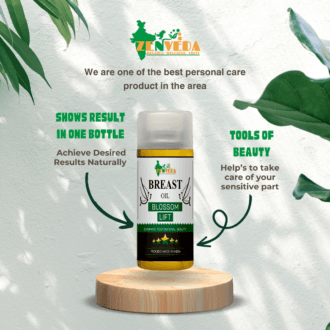
⚡ Quick answer: Zen Veda’s Blossom Lift Breast Oil is a herbal formula designed as part of a gentle daily self-care ritual, made from certified, Uttarakhand-sourced herbs. It’s meant to complement — not replace — the broader habits of rest, boundaries and connection that genuinely sustain wellbeing over the long run.
Blossom Lift Breast Oil is crafted from certified, Uttarakhand-sourced herbs, designed to fit into a gentle self-care ritual rather than stand in for one. We believe genuine self-care is built from consistent daily habits — sleep, boundaries, connection — with supportive rituals like this one layered on top. Explore the wider Zen Veda range, or read more about our approach on the About Us page.
If you’re not sure where to start rebuilding your own self-care routine, you can book a free consultation with our Vaidyas for gentle, practical guidance suited to your life, schedule and current stress levels.
Frequently asked questions
Why is self-care so hard to prioritise?
Self-care often feels optional because it rarely has an immediate visible cost, unlike work or family demands, and cultural guilt can make it feel selfish to prioritise yourself.
Is self-care backed by scientific research?
Yes, research on basic psychological needs — autonomy, competence and connection — consistently links their fulfilment to better wellbeing, showing self-care has a real, measurable basis.
What is the Ayurvedic view of self-care?
Ayurveda treats daily self-care, or dinacharya, as essential preventive medicine rather than indulgence, using consistent daily routine to maintain lasting balance across mind and body.
What happens if self-care is chronically neglected?
Chronic neglect keeps stress hormones elevated, disrupts sleep and immunity, and gradually reduces patience and resilience, often leading to burnout over months or years.
What’s a simple way to start practising self-care?
Start small: protect a consistent sleep schedule, take short daily breaks, and practise saying no occasionally. Consistency matters far more than intensity or duration, so pick just one habit to begin with.
📚 Sources
1. “Basic psychological need satisfaction, wellbeing and behaviour: a meta-analysis.” Health Psychology Review, 2021. PubMed 31983293
2. Charaka Samhita — classical description of dinacharya (daily routine) as preventive health practice.
3. Ashtanga Hridayam — classical Ayurvedic reference for daily and seasonal self-care regimens.
2. Charaka Samhita — classical description of dinacharya (daily routine) as preventive health practice.
3. Ashtanga Hridayam — classical Ayurvedic reference for daily and seasonal self-care regimens.
Disclaimer: This article is for educational purposes only and is not a substitute for personalised medical advice. Individual results vary. Please consult a qualified Ayurvedic practitioner or your healthcare provider before starting any new treatment, especially if you are managing a medical condition or taking medication.
★ 6,500+ happy customers
Ready to start your Ayurvedic hair journey?
Our Vaidyas build personalised herbal routines for you. Free consultation, no obligation.
For Free Consultation Contact +919548121325, +919149171737 | International business inquiry: sahil@zenveda.co.in / +919548121325
Recommended Zen Veda products
Author
