


- Your cart is empty Browse Shop
📌 Quick facts:
- Diet is one of the most powerful, controllable levers for managing blood pressure — often as impactful as any single lifestyle change.
- A 2020 meta-analysis of randomized trials confirmed the DASH eating pattern meaningfully lowers blood pressure in adults with and without hypertension.
- Foods to favour include fruits, vegetables, whole grains and potassium-rich options; foods to limit include excess salt, processed foods and heavily fried items.
- Ayurveda approaches BP through diet that pacifies aggravated Vata and Pitta, favouring cooling, balanced and easily digestible foods.
When it comes to managing blood pressure, few things are as directly within your control as what’s on your plate. Diet can genuinely move the numbers, yet the advice often gets reduced to “eat less salt” — which is only part of the story. This guide covers what to actually eat and what to limit for healthy blood pressure, what the research clearly shows, and how Ayurveda approaches the same goal.
Understanding both sides — the foods that help and the foods that work against you — makes dietary change far more effective and sustainable than simply cutting one single ingredient and quietly hoping for the best result.
📋 In this guide
Does diet really affect blood pressure that much?
⚡ Quick answer: Yes. A 2020 meta-analysis of randomized controlled trials found the DASH eating pattern significantly lowered blood pressure in adults, both with and without hypertension. Diet is one of the most evidence-backed lifestyle tools for blood pressure management, not a minor factor.
A 2020 systematic review and meta-analysis published in Advances in Nutrition examined the DASH (Dietary Approaches to Stop Hypertension) eating pattern across many randomized controlled trials and found it significantly reduced blood pressure in adults, whether or not they already had hypertension (Filippou et al., 2020). This is strong evidence that diet isn’t a minor add-on but a central lever — the kind of pooled, trial-based finding that carries real weight. It’s a large part of why dietary change is so consistently recommended as a genuine first-line approach alongside other everyday lifestyle measures.
What foods help lower blood pressure?
⚡ Quick answer: Fruits, vegetables, whole grains, legumes and potassium-rich foods like bananas and leafy greens support healthy blood pressure. These provide potassium, fibre and other nutrients that help balance sodium and support blood vessel health, forming the core of eating patterns proven to lower blood pressure.
The foods most consistently linked to healthier blood pressure are fruits, vegetables, whole grains, legumes, nuts and low-fat dairy. Potassium-rich options — leafy greens, bananas, beans and many vegetables — are particularly valuable, because potassium helps counterbalance the effects of sodium in the body. Fibre from whole grains and vegetables plays a supporting role too. These aren’t exotic superfoods; they’re everyday items that, eaten consistently as a pattern rather than occasionally, form the backbone of diets shown to reduce blood pressure. The word “pattern” is doing important work here — an occasional salad alongside an otherwise processed-heavy diet won’t achieve much. The benefit comes from these foods making up the majority of what you eat, day after day, so they genuinely displace the less helpful options rather than simply sitting beside them.
What foods should you limit or avoid?
⚡ Quick answer: Limit excess salt, heavily processed and packaged foods, fried and high-fat items, and excessive alcohol. Processed foods are the biggest hidden source of sodium for most people — often more than the salt added at the table — so reducing them tends to matter more than the salt shaker alone.
The foods to limit are largely the flip side of the helpful ones: excess salt, but especially the hidden sodium in processed and packaged foods, which for most people contributes far more than the salt added while cooking or at the table. Heavily fried and high-fat foods, excessive alcohol, and sugary processed items also work against healthy blood pressure. The single most useful shift for many people isn’t obsessing over the salt shaker but reducing reliance on processed and packaged foods, where most sodium quietly hides.
Is salt the only thing that matters for BP?
⚡ Quick answer: No. While reducing excess sodium helps, blood pressure responds to the overall eating pattern — potassium intake, fibre, whole foods versus processed ones, and body weight all matter. Focusing only on salt while ignoring the wider diet misses much of the benefit that dietary change can offer.
Salt reduction genuinely helps, but treating it as the only dietary factor is a common mistake. Blood pressure responds to the whole pattern of eating: how much potassium and fibre you get, whether your diet is built on whole foods or processed ones, and your overall calorie balance and weight. This is exactly why eating patterns like DASH work — they change the entire dietary picture rather than adjusting one ingredient. Someone who cuts salt but still eats mostly processed food will usually see far less benefit than someone who shifts their whole pattern. This is genuinely liberating rather than discouraging, because it means there are several levers to pull, not just one — if strict salt restriction feels difficult, increasing potassium-rich vegetables and cutting processed foods can still move things meaningfully in the right direction.
How does Ayurveda approach diet for blood pressure?
⚡ Quick answer: Ayurveda links high blood pressure to aggravated Vata and Pitta dosha and recommends a diet that pacifies them — cooling, easily digestible, balanced foods, with reduced heating, salty and overly processed items. This aligns closely with modern whole-food, lower-sodium dietary advice.
Classical Ayurveda connects high blood pressure to aggravated Vata dosha (governing circulation) and Pitta dosha (governing heat and metabolism), and its dietary guidance aims to pacify these. That traditionally means favouring cooling, easily digestible, balanced foods while reducing excessively salty, heating and heavy processed items. It’s striking how closely this centuries-old approach mirrors modern advice: emphasise whole, fresh foods; reduce salt and processed items; keep the diet balanced. Two very different systems, arriving at strongly overlapping dietary conclusions.
How do you put a BP-friendly diet into practice?
⚡ Quick answer: Build meals around vegetables, fruits, whole grains and legumes; cook more at home to control sodium; read labels on packaged foods; and treat processed and fried items as occasional rather than staple. Consistency across weeks matters far more than any single “perfect” meal.
Putting this into practice is more about steady habits than perfection. Build most meals around vegetables, fruits, whole grains and legumes; cook at home more often so you control how much salt goes in; check labels on packaged foods for hidden sodium; and treat fried and heavily processed items as occasional rather than daily staples. None of this requires a dramatic overhaul overnight — small, consistent shifts sustained over weeks and months are what actually move blood pressure, and traditional herbal support can complement, not replace, these foundational changes.
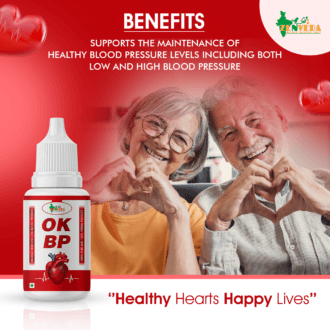
OK BP Drops by Zen Veda is formulated from certified, Uttarakhand-sourced herbs traditionally used to support healthy blood pressure, alongside these foundational dietary habits. Explore our wider range of Ayurvedic wellness products, or read more on our About Us page.
Want a personalised diet plan for your blood pressure? Book a free consultation with our Vaidyas.
Frequently asked questions
What foods are best for lowering blood pressure?
Fruits, vegetables, whole grains, legumes and potassium-rich foods like leafy greens and bananas are consistently linked to healthier blood pressure when eaten as a regular pattern.
What foods should I avoid with high BP?
Limit excess salt, processed and packaged foods, fried and high-fat items, and excessive alcohol — processed foods are usually the biggest hidden source of sodium.
Is cutting salt enough to control blood pressure?
Salt reduction helps, but blood pressure responds to the whole eating pattern, so potassium, fibre, whole foods and weight all matter alongside sodium.
Does the DASH diet actually work?
Yes, a 2020 meta-analysis of randomized controlled trials found the DASH eating pattern significantly lowered blood pressure in adults with and without hypertension.
Does Ayurveda recommend specific foods for BP?
Ayurveda favours cooling, easily digestible, balanced foods that pacify Vata and Pitta, while reducing salty, heating and heavily processed items.
How quickly can diet change affect blood pressure?
Consistent dietary changes can influence blood pressure over weeks, though individual results vary, and you should follow your doctor’s guidance for your specific situation.
📚 Sources
1. Filippou, C.D. et al. “Dietary Approaches to Stop Hypertension (DASH) Diet and Blood Pressure Reduction in Adults with and without Hypertension: A Systematic Review and Meta-Analysis of Randomized Controlled Trials.” Advances in Nutrition, 2020. PubMed 32330233
2. Charaka Samhita — classical description of Vata and Pitta dosha and dietary balance.
3. Ashtanga Hridayam — classical Ayurvedic reference for diet, digestion and circulation.
2. Charaka Samhita — classical description of Vata and Pitta dosha and dietary balance.
3. Ashtanga Hridayam — classical Ayurvedic reference for diet, digestion and circulation.
Disclaimer: This article is for educational purposes only and is not a substitute for personalised medical advice. Individual results vary. Please consult a qualified Ayurvedic practitioner or your healthcare provider before starting any new treatment, especially if you are managing a medical condition or taking medication.
★ 6,500+ happy customers
Ready to start your Ayurvedic hair journey?
Our Vaidyas build personalised herbal routines for you. Free consultation, no obligation.
For Free Consultation Contact +919548121325, +919149171737 | International business inquiry: sahil@zenveda.co.in / +919548121325
Recommended Zen Veda products
Author
