





- Your cart is empty Browse Shop
📌 Quick facts:
- Washing hair the wrong way — too often, too hot, or with the wrong technique — can strip natural oils and weaken strands over time.
- A 2024 review in Archives of Dermatological Research highlights how the scalp microbiome and sebum balance directly influence scalp and hair health.
- Water temperature, product choice and how you dry your hair matter as much as how often you wash it.
- Ayurveda pairs hair washing with pre-wash oiling (abhyanga) to protect and nourish the scalp rather than just cleanse it.
Most people wash their hair on autopilot — same routine, same water temperature, same rough towel-dry — without ever questioning whether it’s actually doing their hair any favours. Small, easily fixed habits in how you wash can make a real difference to scalp health and hair strength over time. This guide covers what “correct” hair washing actually looks like, and how Ayurveda approaches it differently.
Getting this right matters because hair washing isn’t a neutral, once-a-week chore — done poorly and repeated for years, it can quietly contribute to dryness, breakage and scalp irritation that gets blamed on genetics, pollution or “bad hair” instead, when the real culprit was sitting in the daily shower routine the whole time.
📋 In this guide
- How often should hair actually be washed?
- Does water temperature really make a difference?
- What does the scalp microbiome have to do with washing?
- What’s the correct technique when actually washing?
- Does how you dry your hair afterward matter too?
- How does Ayurveda approach hair washing differently?
- Frequently asked questions
How often should hair actually be washed?
⚡ Quick answer: There’s no single universal answer — it depends on scalp oiliness, hair type, climate and activity level. Washing too frequently can strip protective natural oils, while washing too rarely lets oil, sweat and product buildup irritate the scalp. Most people land somewhere between every 2-4 days.
The “right” washing frequency isn’t fixed — it depends on how oily your scalp naturally is, your hair type and texture, the climate you live in, and how physically active you are. Very oily scalps or humid climates may call for more frequent washing, while drier or curlier hair types often do better with longer gaps between washes. What matters more than a specific number is watching how your own scalp and hair respond: persistent oiliness, itchiness or flat-looking hair are cues to adjust, rather than rigidly following a schedule borrowed from someone with a completely different hair type, climate, or workout routine. Building this kind of self-awareness usually takes a few weeks of paying closer attention, but it pays off with a routine that’s genuinely suited to your own hair rather than a generic recommendation.
Does water temperature really make a difference?
⚡ Quick answer: Yes. Very hot water strips natural oils and can leave hair drier and more prone to frizz, while very cold water doesn’t cleanse effectively. Lukewarm water for washing, followed by a cooler rinse to help smooth the hair cuticle, is generally the better balance.
Hot showers may feel relaxing, but very hot water tends to strip away more of the scalp’s natural protective oils than necessary, often leaving hair feeling dry and prone to frizz afterward. On the other end, water that’s too cold doesn’t cleanse the scalp effectively. Lukewarm water is generally the more balanced choice for the actual wash, with a slightly cooler final rinse often recommended to help smooth the hair cuticle and add a bit of shine. It’s a small adjustment, but one that’s easy to make permanently once you notice the difference.
What does the scalp microbiome have to do with washing?
⚡ Quick answer: A 2024 review in Archives of Dermatological Research highlights that the scalp hosts its own microbiome, and disrupting it through harsh washing or overuse of certain products can contribute to scalp issues like dandruff or irritation. Gentle, balanced cleansing supports rather than disrupts this ecosystem.
A 2024 review published in Archives of Dermatological Research examines how the scalp’s microbiome — its natural balance of bacteria and fungi — plays a meaningful role in scalp health, and how disruption of this balance is linked to common conditions like dandruff and scalp irritation (Polak-Witka et al., 2024). This adds useful context to the washing conversation: cleansing isn’t just about removing dirt and oil, it’s about doing so without disrupting a delicate, naturally protective ecosystem on the scalp. Harsh sulphate-heavy shampoos used daily, or excessive scrubbing with fingernails rather than fingertips, can tip that balance the wrong way over time.
What’s the correct technique when actually washing?
⚡ Quick answer: Focus shampoo on the scalp, not the lengths — massage gently with fingertips, let the lather rinse down naturally through the rest of the hair, and apply conditioner mid-length to ends only. Rinse thoroughly, since leftover product buildup is a common cause of dull, weighed-down hair.
Technique matters as much as frequency. Shampoo is meant for the scalp, where oil and buildup actually accumulate — applying it directly to the lengths of hair and scrubbing there tends to be unnecessarily harsh and drying. Gently massaging the scalp with fingertips, never nails, helps cleanse without causing micro-irritation, and the lather that runs down while rinsing is usually enough to clean the rest of the hair. Conditioner works the opposite way — it belongs mid-length to ends, not the scalp, where it can otherwise weigh hair down or contribute to oiliness. Thorough rinsing at the end is easy to rush but genuinely important, since leftover shampoo or conditioner residue is a common, overlooked cause of dull, flat-looking hair.
Does how you dry your hair afterward matter too?
⚡ Quick answer: Yes — vigorously rubbing wet hair with a towel roughens the cuticle and increases breakage over time. Gently squeezing out excess water and patting hair dry, along with avoiding high-heat blow-drying immediately after washing, helps protect fragile, wet strands from unnecessary daily damage and split ends.
The washing routine doesn’t end when the water turns off. Wet hair is at its most fragile, and vigorously rubbing it dry with a rough towel roughens the hair cuticle and increases breakage — a habit so automatic that most people never think twice about it. Gently squeezing out excess water and patting hair dry with a soft towel, or even an old cotton t-shirt, is considerably gentler. Letting hair air-dry partially before reaching for a blow-dryer, and keeping heat settings moderate rather than maximum, further reduces unnecessary stress on strands that have just been through a wash cycle. A wide-tooth comb, used gently starting from the ends and working upward, is also considerably kinder to wet hair than a fine-tooth comb or hairbrush pulled straight through from root to tip.
How does Ayurveda approach hair washing differently?
⚡ Quick answer: Ayurveda pairs hair washing with pre-wash oiling (abhyanga), applying herbal oil to the scalp and hair before shampooing rather than treating washing as an isolated step. This is thought to protect hair from the drying effects of cleansing while nourishing the scalp directly.
Classical Ayurvedic hair care doesn’t treat washing as a standalone task — it’s paired with pre-wash oiling, or abhyanga, where a herbal oil is massaged into the scalp and left to sit before shampooing. The logic is straightforward: applying oil beforehand is thought to create a protective layer that buffers hair from the drying, stripping effect of cleansing, while the massage itself is believed to improve circulation to the scalp. This is a genuinely different mental model from washing hair “clean” and hoping conditioner repairs the damage afterward — Ayurveda front-loads the nourishment instead of trying to patch it in after the fact.
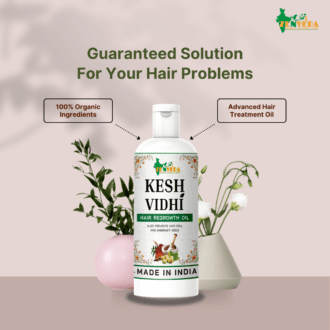
Kesh Vidhi by Zen Veda is an Ayurvedic regrowth hair oil designed for pre-wash scalp massage as part of a gentle, nourishing hair care routine. Explore our wider range of Ayurvedic wellness products, or read more on our About Us page.
Want personalised guidance for your hair care routine? Reach out to our team.
Frequently asked questions
How often should I wash my hair?
It depends on scalp oiliness, hair type and climate, but most people find every 2-4 days works well without over-stripping natural oils.
Is hot water bad for hair washing?
Very hot water strips natural oils and can leave hair dry and frizzy. Lukewarm water with a cooler final rinse is generally better.
Should shampoo be applied to the full length of hair?
No, shampoo is best focused on the scalp; the lather that rinses down is usually enough to cleanse the lengths without over-drying them.
Is it bad to rub hair dry with a towel?
Yes, vigorous rubbing roughens the hair cuticle and increases breakage. Gently squeezing and patting dry is a much gentler alternative.
Why does Ayurveda recommend oiling before washing?
Pre-wash oiling is thought to protect hair from the drying effect of shampooing while nourishing the scalp directly through massage.
📚 Sources
1. Polak-Witka, K. et al. “Scalp microbiome: a guide to better understanding scalp diseases and treatments.” Archives of Dermatological Research, 2024. PubMed 39073596
2. Ashtanga Hridayam — classical Ayurvedic reference for abhyanga (oil massage) and pre-wash scalp care.
3. Charaka Samhita — classical description of hair (Kesha) as a reflection of tissue (dhatu) nourishment.
2. Ashtanga Hridayam — classical Ayurvedic reference for abhyanga (oil massage) and pre-wash scalp care.
3. Charaka Samhita — classical description of hair (Kesha) as a reflection of tissue (dhatu) nourishment.
Disclaimer: This article is for educational purposes only and is not a substitute for professional dermatological advice. Individual hair and scalp conditions vary. If you experience persistent scalp irritation or hair loss, please consult a qualified healthcare professional.
★ 6,500+ happy customers
Ready to start your Ayurvedic hair journey?
Our Vaidyas build personalised herbal routines for you. Free consultation, no obligation.
For Free Consultation Contact +919548121325, +919149171737 | International business inquiry: sahil@zenveda.co.in / +919548121325
Recommended Zen Veda products
Author
