








- Your cart is empty Browse Shop
📌 Quick facts:
- Exercise can reduce liver fat measurably, sometimes even without any significant weight loss showing on the scale.
- A landmark randomized trial found that both moderate and vigorous exercise reduced liver fat, with vigorous exercise showing a stronger effect.
- Consistency matters more than raw intensity — 150 minutes of weekly activity is a well-supported general target.
- Ayurveda has long recommended regular daily movement to support agni and prevent kapha-related fat accumulation, including in the liver.
“Exercise more” is common, well-meaning advice for fatty liver, but rarely comes with specifics on what type, how much, or how soon results might realistically show. This guide answers those questions directly: what research actually shows about exercise and liver fat, which type of exercise works best, and how Ayurveda has long framed movement as essential medicine — always alongside your doctor’s guidance for a diagnosed condition.
The encouraging news is that exercise is one of the few interventions for fatty liver with genuinely strong, randomized clinical trial evidence behind it, not just observational association. That distinction matters more than it might seem — a lot of everyday health advice is based on correlation rather than controlled trials, but this particular recommendation has actually been tested directly against liver fat measurements, not just guessed at.
📋 In this guide
- Does exercise actually reduce liver fat, or just help with weight?
- What does the strongest research say about exercise type and intensity?
- How much exercise is actually enough?
- How does Ayurveda view exercise for liver and metabolic health?
- What’s a realistic way to build this into a busy routine?
- How does Zen Veda support an active, liver-friendly lifestyle?
- Frequently asked questions
Does exercise actually reduce liver fat, or just help with weight?
⚡ Quick answer: Exercise reduces liver fat through a direct effect on the liver itself, not only by producing weight loss. Studies show measurable reductions in liver fat even in participants whose body weight changed only modestly, meaning the benefit isn’t purely a byproduct of shedding kilos.
Exercise improves how efficiently muscles use glucose and fat for fuel, which directly reduces the amount of fat the liver needs to process and store daily. This effect operates somewhat independently of any overall weight change, which is why some studies show meaningful reductions in liver fat even when body weight shifts only slightly. This is genuinely encouraging for anyone who finds weight loss slow or difficult — the liver-specific benefit of regular movement still applies, even before the scale reflects much change.
What does the strongest research say about exercise type and intensity?
⚡ Quick answer: A randomized clinical trial found that both moderate and vigorous aerobic exercise reduced liver fat content over six months, with vigorous exercise producing a somewhat larger reduction. Both intensities worked, meaning starting with moderate exercise is a legitimate, effective choice for anyone not ready for vigorous training.
A randomized clinical trial published in JAMA Internal Medicine (2016) compared moderate and vigorous exercise for non-alcoholic fatty liver disease, finding that both intensities significantly reduced intrahepatic triglyceride content over the study period, with the vigorous exercise group showing a somewhat greater reduction. This matters practically because it confirms that meaningful improvement doesn’t require extreme or unsustainable training — moderate exercise, done consistently, produces real, measurable results, while vigorous exercise offers a further edge for those able to sustain it. You can read the trial on PubMed (ID 27379904).
How much exercise is actually enough?
⚡ Quick answer: Around 150 minutes of moderate aerobic activity per week — roughly 30 minutes, five days a week — is a well-supported general target for fatty liver, matching broader established cardiovascular health guidelines. Consistency across most weeks matters more than occasionally doing much more.
Most clinical research on exercise and fatty liver converges around roughly 150 minutes of moderate aerobic activity weekly, split across most days rather than concentrated into one or two long sessions. This aligns with general cardiovascular health guidelines, making it a practical, familiar target rather than something specialised. Brisk walking, cycling, swimming or similar activities all count, and the specific choice matters less than doing it consistently across most weeks of the year, rather than in short, intense bursts followed by long gaps. Someone starting from a completely sedentary baseline can begin with much shorter sessions and build up gradually — even ten minutes a day is a meaningful starting point that beats waiting until you feel ready for the full target.
How does Ayurveda view exercise for liver and metabolic health?
⚡ Quick answer: Ayurveda has long recommended regular daily exercise (vyayama) to support agni and prevent excess kapha and meda dhatu (fat tissue) from accumulating, including in the liver. This traditional emphasis on consistent, moderate daily movement aligns closely with what modern clinical trials now confirm.
Classical Ayurvedic texts describe vyayama, regular physical exercise, as essential for maintaining agni and preventing the accumulation of kapha and meda dhatu that underlies conditions resembling fatty liver in modern medicine and clinical practice today. Traditional guidance recommends exercising to roughly half of one’s capacity rather than to complete exhaustion, a moderation-focused approach that mirrors the modern finding that moderate exercise alone produces meaningful benefit. This traditional wisdom, developed centuries before liver imaging existed, aligns remarkably well with what clinical trials now confirm about sustainable, moderate activity.
What’s a realistic way to build this into a busy routine?
⚡ Quick answer: Start with brisk walking for 20-30 minutes most days, gradually building consistency before adding intensity. Breaking activity into two shorter sessions works just as well as one long one, and building it into an existing routine — like walking after dinner — makes it far easier to sustain long-term.
| Practical approach | Why it works |
|---|---|
| Brisk walking, 20-30 min most days | Accessible, sustainable, evidence-backed |
| Splitting into two shorter sessions | Fits into a busy schedule more easily |
| Building into an existing routine | Removes the friction of “finding time” |
| Gradual intensity increase | Reduces injury risk, builds consistency |
The most sustainable approach for most people is starting simple: brisk walking for 20 to 30 minutes on most days, gradually increasing duration or intensity as fitness improves. Splitting this into two shorter sessions, such as a walk after breakfast and another after dinner, works just as well and often fits more realistically into a working day. Anchoring the habit to something already part of your routine — walking immediately after a meal, for instance — removes much of the friction that causes exercise plans to quietly fall apart within a few weeks. Consistency over months is what produces the liver fat reduction seen in research, not any single dramatic workout. Tracking your activity with a simple step counter or app can also help maintain motivation during the weeks before any visible or measurable change shows up on a scan.
How does Zen Veda support an active, liver-friendly lifestyle?
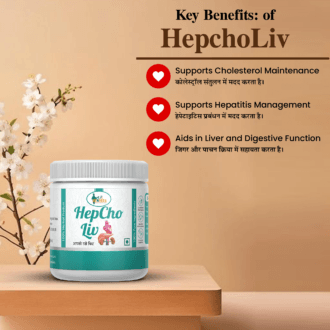
⚡ Quick answer: Zen Veda’s HepCho Liv is a herbal formula traditionally used to support healthy liver function and metabolism, made from certified, Uttarakhand-sourced herbs. It works best alongside regular exercise, since movement is one of the most strongly evidence-backed interventions for fatty liver available.
HepCho Liv is formulated from certified, Uttarakhand-sourced herbs traditionally used to support healthy liver function and metabolism. We recommend it as a complement to regular exercise, which remains one of the most well-supported, accessible interventions for fatty liver — the two work well together as part of a broader, sustainable routine. Explore the wider Zen Veda range, or learn more on our About Us page.
Need help building a realistic exercise routine around your schedule? You can book a free consultation with our Vaidyas for practical guidance suited to your fitness level.
Frequently asked questions
What is the best exercise for fatty liver?
Regular aerobic exercise like brisk walking, cycling or swimming, done consistently for around 150 minutes weekly, is well supported by clinical research for reducing liver fat over time.
Do you need vigorous exercise, or is moderate enough?
Moderate exercise alone significantly reduces liver fat, according to solid clinical trial evidence, though vigorous exercise may offer a somewhat larger benefit for those able to sustain it consistently.
How soon can exercise improve fatty liver?
Clinical trials have shown measurable reductions in liver fat within about six months of consistent exercise, though individual timelines can vary quite a bit based on starting point.
Does exercise help even without much weight loss?
Yes, research shows exercise can reduce liver fat through direct effects on glucose and fat metabolism, largely independent of significant weight change on the scale.
Does Ayurveda recommend exercise for liver health?
Yes, Ayurveda has long recommended regular, moderate daily exercise (vyayama) to support agni and prevent the kapha-related fat accumulation closely linked to liver health.
📚 Sources
1. “Effects of Moderate and Vigorous Exercise on Nonalcoholic Fatty Liver Disease: A Randomized Clinical Trial.” JAMA Internal Medicine, 2016. PubMed 27379904
2. Charaka Samhita — classical description of vyayama (exercise) and its role in supporting agni.
3. Ashtanga Hridayam — classical Ayurvedic reference for daily routine and kapha balance.
2. Charaka Samhita — classical description of vyayama (exercise) and its role in supporting agni.
3. Ashtanga Hridayam — classical Ayurvedic reference for daily routine and kapha balance.
Disclaimer: This article is for educational purposes only and is not a substitute for personalised medical advice. Individual results vary. Please consult a qualified Ayurvedic practitioner or your healthcare provider before starting any new treatment, especially if you are managing a medical condition or taking medication.
★ 6,500+ happy customers
Ready to start your Ayurvedic hair journey?
Our Vaidyas build personalised herbal routines for you. Free consultation, no obligation.
For Free Consultation Contact +919548121325, +919149171737 | International business inquiry: sahil@zenveda.co.in / +919548121325
Recommended Zen Veda products
Author
