



- Your cart is empty Browse Shop
📌 Quick facts:
- Ayurveda frames high cholesterol as part of Medoroga, a disorder of Medo Dhatu (fat tissue) linked closely to sluggish Agni (digestive fire), not a single isolated lab number.
- A 2007 systematic review of Ayurvedic and herbal treatments for hyperlipidemia found several traditional herbs showed genuine, measurable improvements in lipid markers across controlled trials.
- Arjuna, cinnamon and guggul are among the most researched Ayurvedic herbs specifically linked to healthy cholesterol maintenance.
- HepCho Liv combines several of these classical cholesterol-supportive herbs, including Arjun ki Chaal, in one daily formula.
If you’re searching for ayurvedic medicine for cholesterol control, you’ve probably already tried diet changes and are now looking for something more structured to support the process — or you’re simply trying to understand whether Ayurvedic herbs genuinely have research behind them before spending money on anything. This guide covers both: what Ayurveda actually means by cholesterol control, which herbs have real backing, and how a formula like HepCho Liv brings several of them together.
Getting a clear picture before buying matters here more than in most wellness categories, because cholesterol is a genuinely important health marker, and it’s easy for vague marketing language to get mixed in with herbs that actually have real evidence behind them. Knowing the difference lets you make a far more informed, genuinely confident decision before spending any money on a bottle you’ll be taking daily for months.
📋 In this guide
- What does Ayurveda actually mean by “cholesterol control”?
- Which Ayurvedic herbs are most linked to healthy cholesterol?
- Does research actually support Ayurvedic herbs for cholesterol?
- How does diet and digestion factor into cholesterol in Ayurveda?
- What should you look for in an ayurvedic medicine for cholesterol control?
- How does HepCho Liv fit as an ayurvedic medicine for cholesterol control?
- Frequently asked questions
What does Ayurveda actually mean by “cholesterol control”?
⚡ Quick answer: Ayurveda doesn’t isolate cholesterol as a single lab number; it frames it within Medoroga, a disorder of Medo Dhatu (fat tissue), closely tied to sluggish Agni, or digestive fire. Supporting healthy cholesterol in Ayurvedic terms means supporting digestion and metabolism together, not just one isolated marker.
Classical Ayurveda doesn’t have a direct historical equivalent of a modern lipid panel, but it describes a closely related concept: Medoroga, disorders of Medo Dhatu, the body’s fat tissue, which is understood to accumulate when Agni, or digestive fire, becomes sluggish or imbalanced over time. This is genuinely useful context before buying anything: an Ayurvedic approach to cholesterol support is never really about one herb targeting one number in isolation, but about supporting digestion, metabolism and fat tissue together as a connected system, which is exactly why most well-regarded formulas combine several complementary herbs rather than a single extract.
Which Ayurvedic herbs are most linked to healthy cholesterol?
⚡ Quick answer: Arjuna (Terminalia arjuna), cinnamon (Darcheeni), and guggul are among the most researched Ayurvedic herbs for cholesterol and lipid support, each traditionally credited with a slightly different role in heart, metabolic and digestive wellness. Several formulas, including HepCho Liv, combine more than one of these together.
A relatively small group of herbs shows up consistently across both classical Ayurvedic texts and modern research on cholesterol support: Arjuna for heart and circulation wellness, cinnamon for metabolic and digestive support, and guggul as one of the most extensively studied resin-based herbs for lipid balance. Kachnar and Peepal appear frequently too, traditionally linked to metabolic balance and digestion respectively. Rather than treating these as competing options, most credible formulas combine several of them, on the understanding that supporting fat metabolism genuinely benefits from more than one angle at once.
Does research actually support Ayurvedic herbs for cholesterol?
⚡ Quick answer: A 2007 systematic review of Ayurvedic and herbal treatments for hyperlipidemia, examining randomized controlled trials, found several traditional herbs showed genuine, measurable improvements in lipid markers compared to placebo. This gives real research backing to the broader category, not just centuries of traditional use alone.
A 2007 systematic review published in Alternative Therapies in Health and Medicine, examining randomized controlled trials and quasi-experimental studies of Ayurvedic and collateral herbal treatments for hyperlipidemia, found genuine, measurable improvements in lipid markers across several of the herbs studied (Singh et al., 2007). This matters directly for anyone comparing products in this category, since it confirms that Ayurvedic approaches to cholesterol support have real, published clinical research behind at least some of the herbs commonly used, rather than resting purely on tradition. As always, individual herbs and formulas vary considerably in the strength of evidence behind them, which is exactly why checking specific ingredients matters more than trusting a category label alone.
How does diet and digestion factor into cholesterol in Ayurveda?
⚡ Quick answer: Because cholesterol is framed within Medo Dhatu and linked closely to Agni, Ayurvedic cholesterol support always pairs herbs with dietary and digestive habits, not herbs used in isolation. A herbal formula is meant to genuinely complement, not replace, a sensible diet and consistent daily routine.
Because Ayurveda treats fat metabolism and digestion as inseparable, no herbal formula, however well-researched, is traditionally expected to work in isolation from diet and daily routine. A herb like Arjuna or cinnamon is understood to support the body’s own metabolic processes, rather than override poor dietary habits entirely on its own. This is genuinely worth knowing honestly before buying: pairing an Ayurvedic cholesterol formula with a reasonably sensible diet and consistent routine tends to produce noticeably better results than expecting the herbs alone to compensate for an otherwise unchanged lifestyle.
What should you look for in an ayurvedic medicine for cholesterol control?
⚡ Quick answer: Look for named, research-backed herbs like Arjuna or cinnamon listed clearly, a genuinely chemical-free formulation, and a clear daily usage method rather than vague “proprietary blend” language. Consistency over weeks and months matters considerably more than any single dose taken occasionally when convenient.
Before buying, check that the label names specific herbs clearly — Arjuna, cinnamon, guggul, Kachnar — rather than hiding behind a vague “proprietary herbal blend” that gives no real indication of what’s actually inside. A genuinely trustworthy product should also state a clear daily usage method and dosage, and ideally some indication of the traditional or research basis for each ingredient included. Beyond the ingredient list itself, consistency of use over weeks and months matters far more than any single dose, since Ayurvedic cholesterol support is designed to work gradually alongside digestion and diet, not instantly on its own.
How does HepCho Liv fit as an ayurvedic medicine for cholesterol control?
⚡ Quick answer: HepCho Liv combines Arjun ki Chaal, Kachnar, Peepal and Darcheeni (cinnamon) in one chemical-free daily formula, built specifically to support liver health and healthy cholesterol maintenance together. It genuinely reflects the classical multi-herb, diet-complementary approach described throughout this guide, rather than isolating cholesterol as one narrow goal.
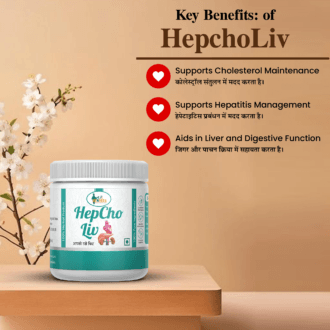
HepCho Liv by Zen Veda brings together Arjun ki Chaal, Kachnar, Peepal and Darcheeni (cinnamon) in one chemical-free, twice-daily tablet formula, designed specifically to support liver health and healthy cholesterol maintenance as a connected pair rather than two unrelated goals. It’s built around exactly the multi-herb, diet-complementary approach classical Ayurveda favours for Medoroga — supporting digestion, metabolism and fat tissue together, alongside a sensible diet, rather than isolating cholesterol as a single number to chase with one ingredient alone.
Ready to support your cholesterol wellness naturally? Explore HepCho Liv directly from Zen Veda. See our wider range of Ayurvedic wellness products, or read more on our About Us page.
Have questions before you buy? Reach out to our team — we’re happy to help.
Frequently asked questions
What does Ayurveda mean by cholesterol control?
It’s framed within Medoroga, a disorder of Medo Dhatu (fat tissue) linked to sluggish Agni, so support means addressing digestion and metabolism together.
Which Ayurvedic herbs are most researched for cholesterol?
Arjuna, cinnamon and guggul are among the most studied, each traditionally linked to a different role in heart, metabolic and digestive wellness.
Is there real research behind Ayurvedic cholesterol herbs?
Yes, a 2007 systematic review of randomized controlled trials found several traditional herbs showed genuine, measurable improvements in lipid markers compared to placebo.
Do I need to change my diet if I’m taking an Ayurvedic cholesterol formula?
Yes, Ayurveda treats herbs as a complement to diet and digestion, not a replacement, so pairing both tends to produce meaningfully better results.
What should I check before buying an ayurvedic medicine for cholesterol control?
Named, research-backed herbs rather than a vague blend, a clear usage method, and a manufacturer transparent about ingredients and dosage.
Does HepCho Liv contain researched cholesterol-supportive herbs?
Yes, it combines Arjun ki Chaal, Kachnar, Peepal and cinnamon, several herbs discussed in the research on Ayurvedic cholesterol support.
📚 Sources
1. Singh, B.B. et al. “Ayurvedic and collateral herbal treatments for hyperlipidemia: a systematic review of randomized controlled trials and quasi-experimental designs.” Alternative Therapies in Health and Medicine, 2007. PubMed 17658119
2. Charaka Samhita — classical description of Medoroga and Medo Dhatu (fat tissue disorders).
3. Ashtanga Hridayam — classical Ayurvedic reference on Agni (digestive fire) and its role in metabolic balance.
2. Charaka Samhita — classical description of Medoroga and Medo Dhatu (fat tissue disorders).
3. Ashtanga Hridayam — classical Ayurvedic reference on Agni (digestive fire) and its role in metabolic balance.
Disclaimer: This article is for educational purposes only and is not a substitute for professional medical advice. HepCho Liv is a wellness supplement and does not treat, cure or prevent any disease. If you have diagnosed high cholesterol or are on medication, please consult a qualified healthcare professional before use.
★ 6,500+ happy customers
Ready to start your Ayurvedic hair journey?
Our Vaidyas build personalised herbal routines for you. Free consultation, no obligation.
For Free Consultation Contact +919548121325, +919149171737 | International business inquiry: sahil@zenveda.co.in / +919548121325
Recommended Zen Veda products
Author
