








- Your cart is empty Browse Shop
📌 Quick facts:
- Fatty liver (MASLD/NAFLD) is often silent in its early stages — most people have no obvious symptoms until the disease has progressed.
- A 2024 review in Hepatology International confirms metabolic dysfunction-associated fatty liver disease is now the most common chronic liver condition worldwide.
- When symptoms do appear, they’re usually vague — fatigue, mild right-upper-abdomen discomfort, and unexplained weight changes.
- Ayurveda has long linked liver health (Yakrit) to Agni (digestive fire) and Pitta dosha balance.
Fatty liver has become one of the most common liver conditions in the world, yet most people who have it don’t know it — because the early stages rarely cause any noticeable symptoms at all. This guide explains what fatty liver actually feels like when it does show symptoms, why it stays hidden for so long, and how Ayurveda approaches liver health and balance.
Understanding the actual symptom picture matters because waiting for obvious warning signs before taking liver health seriously means many people only act once the condition has already progressed significantly, at which point reversing the damage becomes considerably harder than it would have been earlier on.
📋 In this guide
- Does fatty liver actually cause symptoms?
- What are the earliest warning signs to watch for?
- What symptoms suggest the condition has progressed?
- Why do routine blood tests matter more than symptoms here?
- What lifestyle factors influence fatty liver risk?
- How does Ayurveda approach liver health and balance?
- Frequently asked questions
Does fatty liver actually cause symptoms?
⚡ Quick answer: Usually not in the early stages. A 2024 review in Hepatology International confirms metabolic dysfunction-associated fatty liver disease is frequently asymptomatic, which is exactly why it’s often discovered incidentally during unrelated blood tests or scans rather than through how a person feels.
A 2024 epidemiological review of metabolic dysfunction-associated fatty liver disease, published in Hepatology International, confirms what many clinicians have long observed: this condition is frequently silent, especially in its earlier stages (Zhou et al., 2024). Fat accumulates in liver cells gradually, and the liver itself has no pain receptors in the way skin or muscle does, so there’s often nothing to physically alert a person that something is changing. This is precisely why fatty liver is so often picked up incidentally — during a routine blood test showing raised liver enzymes, or an abdominal ultrasound done for an entirely different reason — rather than because someone noticed something was wrong.
What are the earliest warning signs to watch for?
⚡ Quick answer: The earliest signs tend to be non-specific — persistent fatigue, a dull ache or fullness under the right ribs, and mild digestive discomfort after fatty meals. None of these scream “liver” on their own, which is exactly why they’re so easy to dismiss or attribute to something else entirely.
When fatty liver does produce symptoms, they tend to be frustratingly non-specific. Persistent tiredness that doesn’t improve with rest is one of the most commonly reported early signs. A dull ache, heaviness or fullness under the right ribs — where the liver sits — is another, though it’s often mild enough to be brushed off as general digestive discomfort. Some people notice increased sluggishness or bloating after fatty or heavy meals, as the liver works harder to process the load. None of these symptoms are dramatic or obviously liver-related, which is exactly the problem: they’re easy to attribute to a poor night’s sleep, stress, or simply “getting older,” when they may actually be worth paying closer attention to.
What symptoms suggest the condition has progressed?
⚡ Quick answer: More noticeable signs — persistent pain rather than mild discomfort, unexplained weight loss, visible swelling in the abdomen or legs, or yellowing of the skin and eyes — suggest the liver is under more significant strain and warrant prompt medical evaluation rather than a wait-and-watch approach.
As fatty liver progresses toward inflammation or scarring, the symptom picture tends to become more noticeable, though still not always dramatic. Right-upper-abdomen discomfort may become more persistent rather than occasional. Unexplained weight loss, unusual fatigue that interferes with daily function, visible fluid buildup in the abdomen or legs, or a yellowish tinge to the skin or eyes are all signs that deserve prompt medical attention rather than being monitored casually at home. It’s worth being clear that these are late-stage signals — reaching this point means the condition has had time to develop, which is exactly why relying on symptoms alone as an early-warning system doesn’t work well for liver health specifically.
Why do routine blood tests matter more than symptoms here?
⚡ Quick answer: Because the liver stays functionally “quiet” even while under real strain, elevated liver enzymes on a routine blood panel are often the first genuine clue — long before any symptom would prompt a visit to a doctor. This makes periodic testing far more reliable than waiting to feel unwell.
Given how quietly fatty liver tends to progress, blood markers like ALT and AST (liver enzymes), along with imaging such as an ultrasound or fibroscan, are considerably more reliable indicators than waiting for symptoms to appear. This is a genuinely useful reframe: liver health monitoring works better as a scheduled, periodic check rather than a symptom-triggered one. Anyone with risk factors — being overweight, having elevated blood sugar or cholesterol, or a sedentary lifestyle — benefits from treating a liver panel as routine, the same way blood pressure or blood sugar might already be checked regularly, rather than waiting for a physical cue that may never clearly arrive.
What lifestyle factors influence fatty liver risk?
⚡ Quick answer: Excess body weight, high sugar and refined-carbohydrate intake, sedentary habits, and poor sleep are all closely linked to fatty liver risk. The encouraging side of this is that these are the same factors that respond well to steady, sustainable lifestyle change rather than requiring anything extreme.
Fatty liver is strongly tied to metabolic health more broadly — excess body weight, high intake of sugar and refined carbohydrates, prolonged sedentary time, and poor sleep quality are all recognised contributors. This is genuinely encouraging news rather than discouraging, because it means the same everyday habits that support overall metabolic health — regular movement, a diet built around whole foods, consistent sleep, and moderated sugar intake — directly support the liver too. There’s no need for a separate, complicated “liver protocol”; steady, ordinary healthy habits do most of the real work here, and they tend to keep paying off well beyond liver health alone, benefiting heart health, blood sugar and energy levels at the same time.
How does Ayurveda approach liver health and balance?
⚡ Quick answer: Ayurveda views the liver (Yakrit) as closely tied to Agni (digestive fire) and Pitta dosha. Supporting strong, balanced digestion and avoiding excess heavy, oily or processed food is considered central to maintaining liver function and preventing sluggishness over time.
Classical Ayurvedic texts describe the liver, Yakrit, as closely connected to Agni (digestive fire) and governed largely by Pitta dosha, which relates to metabolism and transformation in the body. When Agni is weak or Pitta becomes imbalanced — often through heavy, oily, or irregular eating patterns — the liver’s ability to process and metabolise is thought to be affected over time. Ayurvedic approaches to liver support typically focus on easing this load through lighter, well-timed meals, bitter and detoxifying herbs, and avoiding excess in alcohol, fried food and stress, all viewed as ways of keeping Agni strong rather than treating the liver as an isolated organ.
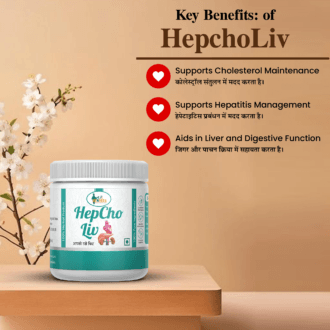
HepCho Liv by Zen Veda is an Ayurvedic formulation designed to support healthy liver function and metabolic balance as part of a sensible daily routine. Explore our wider range of Ayurvedic wellness products, or read more on our About Us page.
Want personalised guidance for your wellness routine? Reach out to our team.
Frequently asked questions
Can you have fatty liver with no symptoms at all?
Yes, this is very common. Fatty liver is frequently silent in its early stages, which is why it’s often discovered through routine blood tests or scans rather than symptoms.
What is the earliest symptom of fatty liver?
Persistent fatigue and mild discomfort or fullness under the right ribs are among the earliest, though non-specific, signs some people notice.
When should fatty liver symptoms be taken seriously?
Persistent abdominal pain, unexplained weight loss, visible swelling, or yellowing of the skin or eyes should prompt prompt medical evaluation.
How is fatty liver usually diagnosed?
Typically through blood tests measuring liver enzymes (ALT, AST) along with imaging such as an ultrasound, since symptoms alone are unreliable indicators.
What lifestyle changes help support liver health?
Regular movement, a whole-food diet, consistent sleep, and moderated sugar and alcohol intake all directly support healthy liver function over time.
How does Ayurveda view liver health?
Ayurveda ties liver function (Yakrit) closely to Agni (digestive fire) and Pitta dosha, emphasising balanced digestion and lighter eating to support it.
📚 Sources
1. Zhou, J. et al. “Epidemiology and diagnosis of metabolic dysfunction-associated fatty liver disease.” Hepatology International, 2024. PubMed 38967907
2. Charaka Samhita — classical description of Yakrit (liver), Agni and Pitta dosha in metabolic function.
3. Ashtanga Hridayam — classical Ayurvedic reference on digestion, diet and organ balance.
2. Charaka Samhita — classical description of Yakrit (liver), Agni and Pitta dosha in metabolic function.
3. Ashtanga Hridayam — classical Ayurvedic reference on digestion, diet and organ balance.
Disclaimer: This article is for educational purposes only and is not a substitute for professional medical advice, diagnosis or treatment. Individual conditions vary. If you notice persistent symptoms or have risk factors for liver disease, please consult a qualified healthcare professional.
★ 6,500+ happy customers
Ready to start your Ayurvedic hair journey?
Our Vaidyas build personalised herbal routines for you. Free consultation, no obligation.
For Free Consultation Contact +919548121325, +919149171737 | International business inquiry: sahil@zenveda.co.in / +919548121325
Recommended Zen Veda products
Author
