






- Your cart is empty Browse Shop
📌 Quick facts:
- Body confidence isn’t vanity — how you feel about your body genuinely affects mood, self-esteem, relationships and even health behaviours.
- A 2025 systematic review found meaningful links between body image, self-esteem and emotion regulation in adults.
- Poor body image is strongly influenced by media and social comparison, not by any objective flaw in how you actually look.
- Ayurveda’s approach to beauty (saundarya) treats it as an outcome of inner health, digestion and balance rather than appearance alone.
Body confidence is often dismissed as vanity or something superficial to simply “get over”. In reality, how a woman feels about her body has measurable effects on her mood, self-esteem, relationships and even her willingness to look after her health. This guide explains why body confidence genuinely matters, what research shows about its links to wellbeing, and how Ayurveda frames beauty as a reflection of inner health.
Understanding this properly matters because dismissing body image concerns as trivial tends to leave them unaddressed — when in fact they influence far more of daily wellbeing than most people acknowledge.
📋 In this guide
- Why does body confidence actually matter?
- Does media and social comparison shape body image?
- How does body confidence affect health behaviours?
- What changes during pregnancy, ageing and life stages?
- How does Ayurveda view beauty and body?
- How can you build healthier body confidence?
- Frequently asked questions
Why does body confidence actually matter?
⚡ Quick answer: Body confidence influences self-esteem, mood, social comfort and the willingness to engage in health-supporting activities. A 2025 systematic review found meaningful relationships between body image, self-esteem and emotion regulation in adults, confirming this is genuinely connected to wellbeing rather than mere vanity.
A 2025 systematic review published in Neuropsychiatrie examined body image, self-esteem and emotion regulation in adults, finding meaningful relationships between them (Wagner et al., 2025). This confirms what many women recognise intuitively: how you feel about your body isn’t a separate, superficial concern but something woven into overall psychological wellbeing. It affects confidence in social settings, comfort in relationships, and even willingness to exercise or seek healthcare — making it a legitimate part of health rather than an indulgence. This is worth stating plainly because women are frequently told, directly or indirectly, that worrying about how they look is shallow — a message that tends to add guilt on top of the original distress without resolving anything. Recognising body image as a genuine component of psychological wellbeing removes that unhelpful layer.
Does media and social comparison shape body image?
⚡ Quick answer: Yes, substantially. Research has consistently shown that exposure to idealised media images influences body dissatisfaction in women. Much of what feels like a personal flaw is actually a manufactured comparison against images that are filtered, edited or professionally staged — and often not achievable in reality.
A significant driver of body dissatisfaction is comparison, particularly against idealised media and social media images. Research has repeatedly demonstrated the media’s role in body image concerns among women. What makes this especially worth naming is that many of these comparison images are filtered, edited, professionally lit or otherwise unachievable — meaning the “standard” being measured against often doesn’t exist even for the person in the photograph. Recognising this shifts the problem from a personal failing to an unfair comparison. It’s a small mental adjustment with a surprisingly large effect, because it moves the question from “what’s wrong with me” to “is this a fair thing to measure myself against” — and the honest answer to the second question is usually no.
How does body confidence affect health behaviours?
⚡ Quick answer: Low body confidence can lead to avoiding exercise, skipping medical appointments, or adopting extreme diets, while healthier body confidence supports consistent self-care. Feeling reasonably at ease in your body makes it easier to look after it, creating a genuinely positive cycle rather than a punishing one.
There’s a practical dimension often overlooked: body confidence influences whether women actually look after themselves. Low body confidence can lead to avoiding gyms or swimming, postponing medical appointments out of self-consciousness, or swinging toward extreme restrictive dieting. Conversely, feeling reasonably at ease in your own body makes consistent, moderate self-care far easier to sustain. Self-care rooted in care rather than punishment tends to last, while self-care driven by dissatisfaction usually collapses once motivation fades. Anyone who has started an intense fitness or diet regime out of frustration, only to abandon it within weeks, has experienced this pattern directly — and the difference in staying power comes down almost entirely to the motivation underneath it.
What changes during pregnancy, ageing and life stages?
⚡ Quick answer: Bodies naturally change through pregnancy, childbirth, ageing and hormonal shifts, and expecting them not to sets up unnecessary distress. Recognising these changes as normal biology rather than personal failure is one of the most useful reframes for maintaining body confidence over a lifetime.
A woman’s body changes meaningfully across her life — through pregnancy and childbirth, hormonal shifts, and natural ageing. Much body image distress comes from an unspoken expectation that the body should remain unchanged, which is biologically unrealistic. Reframing these changes as normal, expected biology rather than evidence of neglect or failure is genuinely one of the most useful shifts available. It doesn’t mean abandoning self-care; it means holding realistic expectations about what self-care can and cannot preserve. A body that has carried and delivered a child, or simply lived through several decades, has done something genuinely demanding — and judging it against the version of itself from twenty years earlier is neither fair nor particularly useful.
How does Ayurveda view beauty and body?
⚡ Quick answer: Ayurveda treats beauty (saundarya) as an outward reflection of inner health — good digestion, balanced doshas and healthy tissues — rather than appearance alone. This framing naturally reduces the pressure of purely aesthetic standards by tying how you look to how well you actually are.
Classical Ayurveda approaches beauty, saundarya, as an expression of inner health rather than a standalone aesthetic goal. Healthy skin, hair and physical vitality are understood to arise from strong Agni (digestive fire), balanced doshas and well-nourished dhatus (tissues). This framing is quietly liberating: it directs attention toward digestion, sleep, nourishment and balance rather than toward matching an external standard. Self-care practices like abhyanga (oil massage) fit naturally here — valued at least as much for how they genuinely feel as for how they might eventually look.
How can you build healthier body confidence?
⚡ Quick answer: Limit exposure to idealised comparison content, focus on what your body does rather than how it looks, build self-care rituals that feel nourishing rather than corrective, and speak to yourself as you would a friend. These shifts genuinely help, and none require changing your body at all.
Practical steps include curating what you consume online and reducing exposure to idealised comparison content, shifting focus toward what your body allows you to do rather than purely how it appears, and building self-care rituals that feel genuinely nourishing rather than corrective. Speaking to yourself with the same reasonableness you’d offer a friend is deceptively powerful. Notably, none of these require changing your body — they change the relationship with it, which is almost always where the actual day-to-day distress genuinely lives.
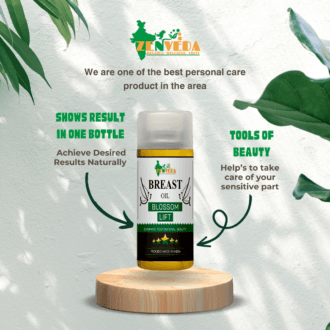
Blossom Lift by Zen Veda is an Ayurvedic massage oil made for gentle daily self-care, supporting skin nourishment and a calming ritual. Explore our wider range of Ayurvedic wellness products, or read more on our About Us page.
Want personalised guidance for your wellness routine? Reach out to our team.
Frequently asked questions
Why does body confidence matter for health?
It influences self-esteem, mood and whether women engage in exercise, healthcare and consistent self-care, making it genuinely connected to wellbeing rather than vanity.
Does social media affect body image?
Yes, research consistently links exposure to idealised media images with body dissatisfaction, often comparing against images that are filtered, edited or professionally staged.
Is it normal for my body to change after pregnancy?
Yes, bodies change through pregnancy, childbirth, hormonal shifts and ageing, and expecting them to remain unchanged sets up unnecessary and unrealistic distress.
Can low body confidence affect self-care?
Yes, it can lead to avoiding exercise or medical appointments and adopting extreme diets, while healthier body confidence supports consistent, moderate self-care.
How does Ayurveda define beauty?
Ayurveda treats beauty (saundarya) as an outward reflection of inner health — strong digestion, balanced doshas and well-nourished tissues — rather than appearance alone.
How can I improve my body confidence?
Limit idealised comparison content, focus on what your body does, build nourishing rather than corrective self-care rituals, and speak to yourself as you would a friend.
📚 Sources
1. Wagner, G. et al. “Body image, self-esteem, emotion regulation, and eating disorders in adults: a systematic review.” Neuropsychiatrie, 2025. PubMed 40830328
2. Charaka Samhita — classical description of Agni, dhatus and their relationship to appearance and vitality.
3. Ashtanga Hridayam — classical Ayurvedic reference for abhyanga (oil massage) and daily self-care.
2. Charaka Samhita — classical description of Agni, dhatus and their relationship to appearance and vitality.
3. Ashtanga Hridayam — classical Ayurvedic reference for abhyanga (oil massage) and daily self-care.
Disclaimer: This article is for educational purposes only and is not a substitute for personalised medical or psychological advice. Individual experiences vary. If body image concerns are significantly affecting your daily life or eating patterns, please speak with a qualified healthcare professional.
★ 6,500+ happy customers
Ready to start your Ayurvedic hair journey?
Our Vaidyas build personalised herbal routines for you. Free consultation, no obligation.
For Free Consultation Contact +919548121325, +919149171737 | International business inquiry: sahil@zenveda.co.in / +919548121325
Recommended Zen Veda products
Author
