






- Your cart is empty Browse Shop
📌 Quick facts:
- Occasional constipation is common, but going days without a proper bowel movement as a regular pattern is not something to simply accept as normal.
- “Normal” bowel frequency varies widely — anywhere from three times a day to three times a week can be healthy — but a change from your own baseline matters more than a fixed number.
- A 2020 review in Gastroenterology outlined how chronic constipation is driven by diet, fluid intake, activity, and gut function, and is highly manageable.
- Ayurveda links constipation to aggravated Vata dosha and weak Agni, addressed through diet, hydration, routine and digestion support.
“Is it normal to be constipated every day?” is a question many people quietly wonder about but rarely ask aloud. Occasional constipation is genuinely common and usually harmless, but persistent, ongoing constipation is a different matter — and treating it as just “how your body is” can mean missing something easily improved. This guide explains what’s actually normal, what drives chronic constipation, and how Ayurveda approaches it.
Getting clear on the difference between an occasional off day and a genuine ongoing pattern helps you know when simple changes are enough and when it’s worth paying closer attention.
📋 In this guide
What counts as normal bowel frequency?
⚡ Quick answer: There’s a wide healthy range — anywhere from around three bowel movements a day to three a week can be normal, depending on the person. What matters more than a fixed number is a noticeable, persistent change from your own usual pattern, along with comfort and ease of passing stool.
There’s no single “correct” number of bowel movements. Medically, anywhere from about three times a day to three times a week falls within a healthy range, and what’s normal genuinely varies from person to person. This is why a fixed daily target isn’t the right way to judge things. Far more meaningful is whether you’ve shifted from your own usual pattern, and whether passing stool is comfortable and complete rather than strained, hard or leaving you feeling unfinished.
Is being constipated every day something to worry about?
⚡ Quick answer: Persistent daily constipation isn’t something to simply accept — while rarely an emergency, it’s a signal worth addressing through diet, hydration and lifestyle. If it’s ongoing, painful, or accompanied by other symptoms like bleeding or unexplained weight loss, it’s worth seeing a doctor.
Chronic constipation is rarely a medical emergency, but it also shouldn’t be dismissed as unavoidable. Ongoing straining, hard stools, and a persistent sense of incomplete emptying affect comfort and quality of life, and usually respond well to changes in diet, hydration and activity. That said, certain warning signs deserve prompt medical attention: blood in the stool, unexplained weight loss, persistent abdominal pain, or a sudden marked change in bowel habits should always be checked by a doctor rather than self-managed. These signs are worth knowing precisely because ongoing constipation is so common that it’s easy to brush aside everything alongside it — but the presence of any of these accompanying symptoms changes the picture and deserves a proper professional assessment rather than another round of home remedies.
What actually causes chronic constipation?
⚡ Quick answer: A 2020 review outlined how chronic constipation is commonly driven by low fibre intake, inadequate fluids, physical inactivity, and slowed gut movement, sometimes alongside certain medications. Most of these are everyday, modifiable factors, which is why lifestyle changes are the first-line approach.
A 2020 review published in Gastroenterology examined the mechanisms and management of chronic constipation, describing how it commonly arises from a combination of low dietary fibre, inadequate fluid intake, physical inactivity and slowed movement through the gut, sometimes influenced by certain medications (Bharucha & Lacy, 2020). The encouraging takeaway is that most of these drivers are everyday and modifiable, which is exactly why dietary and lifestyle changes are recommended as the first line of approach before anything more involved.
Can diet and lifestyle really fix constipation?
⚡ Quick answer: For most people, yes. Increasing fibre from fruits, vegetables and whole grains, drinking enough water, and moving more regularly address the most common causes directly. These simple changes resolve or significantly improve constipation for many people before any medication is needed, though consistency over several weeks is what makes them work.
For the majority of people, straightforward changes make a real difference. Increasing fibre from fruits, vegetables, whole grains and legumes adds bulk and softness to stool; drinking enough water keeps things moving; and regular physical activity stimulates natural gut motion. These aren’t dramatic interventions, but because they target the most common underlying causes directly, they resolve or substantially improve constipation for many people. Consistency matters more than intensity — small daily habits sustained over weeks tend to work better than occasional big efforts. It’s also worth increasing fibre gradually rather than all at once, since a sudden large jump can cause bloating or gas; easing it up over a week or two, alongside enough water, gives the gut time to adjust comfortably and makes the change far easier to stick with long term.
How does Ayurveda explain constipation?
⚡ Quick answer: Ayurveda links constipation primarily to aggravated Vata dosha — associated with dryness — and to weak Agni (digestive fire). Its approach favours warm, moist, easily digestible foods, adequate hydration, routine, and digestion support to restore smooth, regular elimination.
Classical Ayurveda attributes constipation largely to aggravated Vata dosha, which carries qualities of dryness and coldness that can leave the stool hard and elimination irregular, often combined with weak Agni (digestive fire). The traditional response is intuitive: favour warm, moist, easily digestible foods over dry and cold ones, stay well hydrated, maintain a regular daily routine, and support digestion. This emphasis on warmth, moisture, fibre-rich food and routine overlaps strongly with modern dietary and lifestyle advice for constipation. What Ayurveda adds is a particular emphasis on regularity of routine itself — eating and sleeping at consistent times, and not ignoring the body’s natural urges — which modern gut research increasingly recognises as genuinely relevant to healthy, predictable elimination.
What can you do to support regular digestion?
⚡ Quick answer: Eat plenty of fibre, drink enough water, stay physically active, keep regular meal and bathroom timings, and don’t routinely ignore the urge to go. These habits support regular elimination, and traditional digestive tonics can complement them, though lifestyle remains the foundation.
Supporting regular digestion comes down to consistent habits: eat plenty of fibre-rich foods, drink enough water through the day, stay physically active, keep reasonably regular meal and bathroom timings, and avoid routinely suppressing the urge to go, which can worsen the problem over time. None of this is complicated, and together these habits address the everyday drivers of constipation. Traditional Ayurvedic tonics that support digestion and strength are used alongside these foundations, complementing rather than replacing them. The core message is a simple one: daily constipation is common, but it isn’t something you simply have to live with, and in most cases a few consistent everyday adjustments are enough to restore comfortable, regular digestion.
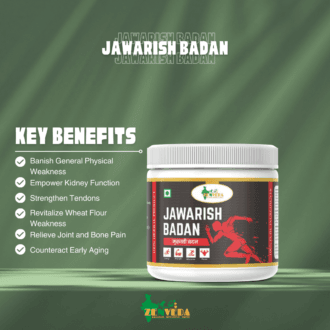
Jawarish Badan by Zen Veda is a wellness tonic blending classical Ayurvedic and Unani herbs traditionally used to support strength, stamina and everyday vitality. Explore our wider range of Ayurvedic wellness products, or read more on our About Us page.
Want personalised guidance for your digestion? Book a free consultation with our Vaidyas.
Frequently asked questions
How often should you have a bowel movement?
Anywhere from around three times a day to three times a week can be normal — a persistent change from your own usual pattern matters more than a fixed number.
Is daily constipation something to worry about?
Persistent constipation isn’t an emergency but shouldn’t be simply accepted — it usually improves with diet and lifestyle changes, and warning signs warrant seeing a doctor.
What are the main causes of chronic constipation?
Low fibre, inadequate fluids, physical inactivity and slowed gut movement are the most common causes, sometimes influenced by certain medications.
Can more fibre and water fix constipation?
For most people, increasing fibre, drinking enough water and moving more resolve or significantly improve constipation, since these target the most common causes directly.
When should I see a doctor about constipation?
See a doctor if constipation is ongoing and painful, or comes with blood in the stool, unexplained weight loss, or a sudden marked change in bowel habits.
How does Ayurveda treat constipation?
Ayurveda links it to aggravated Vata dosha and weak Agni, favouring warm, moist, easily digestible foods, hydration, routine and digestion support.
📚 Sources
1. Bharucha, A.E. & Lacy, B.E. “Mechanisms, Evaluation, and Management of Chronic Constipation.” Gastroenterology, 2020. PubMed 31945360
2. Charaka Samhita — classical description of Vata dosha and Agni in relation to digestion and elimination.
3. Ashtanga Hridayam — classical Ayurvedic reference for diet, hydration and digestive health.
2. Charaka Samhita — classical description of Vata dosha and Agni in relation to digestion and elimination.
3. Ashtanga Hridayam — classical Ayurvedic reference for diet, hydration and digestive health.
Disclaimer: This article is for educational purposes only and is not a substitute for personalised medical advice. Individual results vary. Please consult a qualified Ayurvedic practitioner or your healthcare provider before starting any new treatment, especially if you have persistent symptoms.
★ 6,500+ happy customers
Ready to start your Ayurvedic hair journey?
Our Vaidyas build personalised herbal routines for you. Free consultation, no obligation.
For Free Consultation Contact +919548121325, +919149171737 | International business inquiry: sahil@zenveda.co.in / +919548121325
Recommended Zen Veda products
Author
