









- Your cart is empty Browse Shop
📌 Quick facts:
- Sleep and women’s hormones are deeply connected — poor sleep can disrupt hormonal balance, and hormonal changes can in turn disrupt sleep, creating a two-way cycle.
- A 2020 review highlighted the close relationship between sleep and reproductive health across a woman’s life stages.
- Hormonal shifts around menstruation, pregnancy and menopause all commonly affect sleep quality, while chronic poor sleep can worsen hormonal symptoms.
- Ayurveda connects both sleep and hormonal balance to Vata and Pitta equilibrium, addressed through routine, diet and calming practices.
Many women notice their sleep changes at different times of the month or life, and wonder whether it’s connected to their hormones. It usually is — and the relationship runs in both directions. Poor sleep can throw hormones off balance, while hormonal shifts can make good, restful sleep noticeably harder to come by. This guide explains that two-way connection, what the research clearly shows about it, and how Ayurveda thoughtfully approaches both together.
Understanding this link matters because treating sleep and hormonal wellness as separate problems misses how tightly they influence each other — and how meaningfully improving one of them can often help support the other in turn.
📋 In this guide
- How are sleep and women’s hormones connected?
- Does research support the sleep-hormone link in women?
- Why does sleep change during the menstrual cycle?
- Can poor sleep make hormonal symptoms worse?
- How does Ayurveda view sleep and hormonal balance?
- What can help support both sleep and hormonal wellness?
- Frequently asked questions
How are sleep and women’s hormones connected?
⚡ Quick answer: The relationship is two-way. Hormones influence sleep-regulating processes in the body, while poor or insufficient sleep can disrupt the hormones involved in reproductive health, stress and appetite. This means sleep problems and hormonal imbalance often reinforce each other rather than existing separately.
Sleep and hormones are linked through a genuine two-way relationship. Reproductive hormones influence the body’s sleep-regulating systems, which is why many women notice changes in sleep at different points in their cycle or life. At the same time, poor or insufficient sleep disrupts hormones involved in reproduction, stress response and appetite regulation. Because the influence flows both ways, a disturbance in one often worsens the other — poor sleep aggravates hormonal symptoms, and hormonal shifts disturb sleep, forming a cycle worth understanding. The practical upside of this two-way relationship is that it offers two entry points rather than one: you don’t have to wait for hormones to settle before addressing sleep, and improving sleep habits can begin to ease the loop from the other direction, often more quickly than people expect.
Does research support the sleep-hormone link in women?
⚡ Quick answer: Yes. A 2020 review examining sleep and reproductive health highlighted the close, well-documented relationship between the two across a woman’s life stages. Sleep is increasingly recognised in research as genuinely relevant to women’s hormonal and reproductive wellness, not a separate or minor concern.
A 2020 review published in the Journal of Circadian Rhythms examined the relationship between sleep and reproductive health, highlighting how closely the two are connected throughout a woman’s life (Kloss et al., 2020). This kind of review reflects growing scientific recognition that sleep isn’t a side issue for women’s health but genuinely intertwined with hormonal and reproductive wellness. It’s a useful reminder that prioritising sleep is a legitimate part of caring for hormonal health, not merely general wellness advice.
Why does sleep change during the menstrual cycle?
⚡ Quick answer: Hormone levels shift across the menstrual cycle, and these fluctuations can affect sleep quality — many women report more disturbed sleep in the days before their period. This is a normal reflection of the hormonal changes happening, though the degree of disruption varies considerably between individuals.
Hormone levels rise and fall across the menstrual cycle, and these natural fluctuations can affect how well you sleep. Many women report more restless or disturbed sleep in the days leading up to their period, coinciding with hormonal shifts in that phase. This is a normal reflection of the body’s changing hormonal environment rather than a sign something is wrong, though how strongly it affects sleep varies widely from person to person — some barely notice it, while others find it quite disruptive. Knowing that this pattern is expected can itself be reassuring — rather than worrying that something is wrong when sleep worsens at a particular point in the cycle, it helps to recognise it as a predictable rhythm, and to be a little gentler with yourself about energy and mood during those days.
Can poor sleep make hormonal symptoms worse?
⚡ Quick answer: Yes. Chronic poor sleep raises stress hormones and disrupts appetite and mood regulation, which can amplify hormonal symptoms like irritability, fatigue and cravings. This is a key reason improving sleep is often one of the most useful steps for supporting overall hormonal wellness.
Poor sleep doesn’t just result from hormonal changes — it can actively worsen them. Chronic insufficient sleep elevates stress hormones and disrupts the systems regulating appetite and mood, which can amplify hormonal symptoms such as irritability, fatigue, low mood and food cravings. This is precisely why improving sleep is frequently one of the most impactful and overlooked steps in supporting hormonal wellness: better sleep can ease symptoms that might otherwise be attributed solely to hormones, breaking part of the reinforcing cycle. This reframing is genuinely useful for many women, because symptoms that feel like an unavoidable hormonal burden can sometimes be partly a sleep-debt problem in disguise — and sleep debt, unlike your underlying hormonal rhythms, is something you have real, direct control over.
How does Ayurveda view sleep and hormonal balance?
⚡ Quick answer: Ayurveda considers healthy sleep (nidra) one of the pillars of wellbeing and connects both sleep and hormonal balance to Vata and Pitta dosha equilibrium. Disturbed Vata in particular is linked to restless sleep, addressed through routine, calming practices and a settling diet.
Ayurveda regards nidra (sleep) as one of the three pillars of health, alongside diet and balanced living. It connects both restful sleep and hormonal equilibrium to the balance of Vata and Pitta dosha — with disturbed Vata in particular associated with a restless, unsettled mind and poor sleep. The traditional approach addresses both together through a consistent daily routine (dinacharya), calming evening practices, and a grounding, easily digestible diet, reflecting the same interconnected view that modern research is now confirming.
What can help support both sleep and hormonal wellness?
⚡ Quick answer: A consistent sleep schedule, a calming evening routine, reduced screen time before bed, stress management and a balanced diet all support both sleep and hormonal health. Because the two are linked, improvements in one commonly benefit the other, and traditional herbal tonics can complement these habits.
The most useful steps support both sides of the sleep-hormone relationship at once: keep a consistent sleep and wake time, build a calming wind-down routine, reduce screen exposure before bed, manage daily stress, and eat a balanced diet. Because sleep and hormones are so interconnected, improvements in sleep habits frequently ease hormonal symptoms, and vice versa. Traditional Ayurvedic women’s wellness tonics are used alongside these foundational habits to support everyday balance, working as a complement rather than a replacement for good sleep and lifestyle.
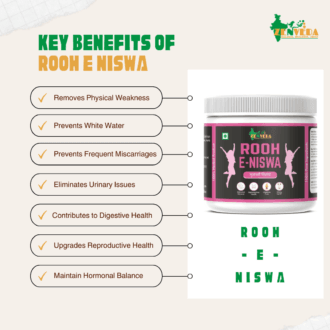
Rooh E Niswa by Zen Veda is a women’s wellness tonic of classical herbs traditionally used to support feminine health, strength and everyday vitality. Explore our wider range of Ayurvedic wellness products, or read more on our About Us page.
Want personalised guidance for your sleep and hormonal wellness? Book a free consultation with our Vaidyas.
Frequently asked questions
Can poor sleep affect women’s hormones?
Yes, chronic poor sleep disrupts hormones involved in stress, appetite and reproductive health, which can amplify hormonal symptoms like irritability, fatigue and cravings.
Why is my sleep worse before my period?
Hormone levels shift in the days before your period, and these fluctuations commonly disturb sleep quality, though the degree varies considerably between individuals.
Is the sleep-hormone link supported by research?
Yes, a 2020 review highlighted the close, well-documented relationship between sleep and reproductive health across a woman’s life stages.
Does improving sleep help hormonal symptoms?
Often, yes — because sleep and hormones are interconnected, better sleep can ease symptoms like irritability and fatigue that might otherwise be attributed solely to hormones.
How does Ayurveda view sleep for women?
Ayurveda treats nidra (sleep) as a pillar of health and links both sleep and hormonal balance to Vata and Pitta dosha, addressed through routine and calming practices.
What helps support both sleep and hormones?
A consistent sleep schedule, calming evening routine, less screen time before bed, stress management and a balanced diet support both, since the two are closely linked.
📚 Sources
1. Kloss, J.D. et al. “Sleep and Reproductive Health.” Journal of Circadian Rhythms, 2020. PubMed 32256630
2. Charaka Samhita — classical description of nidra (sleep) as a pillar of health and Vata balance.
3. Ashtanga Hridayam — classical Ayurvedic reference for daily routine, sleep and women’s wellness.
2. Charaka Samhita — classical description of nidra (sleep) as a pillar of health and Vata balance.
3. Ashtanga Hridayam — classical Ayurvedic reference for daily routine, sleep and women’s wellness.
Disclaimer: This article is for educational purposes only and is not a substitute for personalised medical advice. Individual results vary. Please consult a qualified Ayurvedic practitioner or your healthcare provider before starting any new treatment, especially if you are pregnant, breastfeeding, or managing a medical condition.
★ 6,500+ happy customers
Ready to start your Ayurvedic hair journey?
Our Vaidyas build personalised herbal routines for you. Free consultation, no obligation.
For Free Consultation Contact +919548121325, +919149171737 | International business inquiry: sahil@zenveda.co.in / +919548121325
Recommended Zen Veda products
Author
