



- Your cart is empty Browse Shop
📌 Quick facts:
- Cholesterol isn’t inherently harmful — the body needs it — but excess LDL cholesterol circulating in the blood is strongly linked to cardiovascular risk.
- A 2022 systematic review and dose-response meta-analysis confirmed a consistent relationship between serum cholesterol levels and cardiovascular death risk across multiple studies.
- High cholesterol is often symptomless for years, which is exactly why it’s called a “silent” risk factor for heart disease.
- Ayurveda links heart and metabolic health closely through Rasa dhatu (the body’s nourishing fluid) and Pitta dosha-driven metabolism.
“High cholesterol” and “heart disease” get mentioned together so often that the actual mechanism connecting them often gets lost. This guide explains exactly how cholesterol affects the heart, what recent research confirms about that relationship, and how Ayurveda’s much older framework for heart and metabolic health lines up with it.
Understanding the actual mechanism — not just the vague warning — makes it much easier to take cholesterol management seriously, long before any symptoms show up.
It also helps explain why doctors and Ayurvedic practitioners alike treat cholesterol as something to manage proactively rather than react to. A number on a lab report doesn’t feel urgent in the way chest pain does, which is exactly why so many people delay addressing it. Once you understand that the underlying process is already quietly progressing years before any symptom appears, that lab report starts to carry the weight it actually deserves.
📋 In this guide
- How exactly is cholesterol connected to heart disease?
- Is all cholesterol equally harmful to the heart?
- What does recent research say about cholesterol and cardiovascular risk?
- Can high cholesterol damage the heart without any symptoms?
- What role does Ayurveda see between the heart and metabolism?
- How can you support healthy cholesterol levels day to day?
- Frequently asked questions
How exactly is cholesterol connected to heart disease?
⚡ Quick answer: Excess LDL cholesterol can deposit in artery walls over years, forming plaques that narrow blood vessels feeding the heart. This narrowing, called atherosclerosis, is the direct mechanical link between high cholesterol and heart attacks or chest pain, and it develops slowly and silently.
When LDL cholesterol levels in the blood stay elevated over time, cholesterol particles can penetrate artery walls and gradually build up as plaque — a process called atherosclerosis. As plaque accumulates, arteries narrow and stiffen, reducing blood flow to the heart muscle itself. If a plaque eventually ruptures, it can quickly trigger a blood clot that blocks the artery entirely, causing a heart attack. This is the direct, physical mechanism behind why cholesterol management is central to heart disease prevention.
Is all cholesterol equally harmful to the heart?
⚡ Quick answer: No — LDL cholesterol is the type most strongly linked to artery plaque buildup, while HDL cholesterol actually helps clear excess cholesterol from the bloodstream. The ratio and balance between them matters more than a single total cholesterol number alone.
This is one of the most common points of confusion. LDL (low-density lipoprotein) is the type that contributes to artery plaque, while HDL (high-density lipoprotein) actually helps transport excess cholesterol back to the liver for removal, effectively working against plaque buildup. This is why doctors look at the full lipid profile — LDL, HDL, and triglycerides together — rather than judging heart risk from a single total cholesterol figure alone.
What does recent research say about cholesterol and cardiovascular risk?
⚡ Quick answer: A 2022 systematic review and dose-response meta-analysis of prospective cohort studies found a consistent, measurable relationship between serum cholesterol levels and cardiovascular death risk. This adds to decades of research confirming cholesterol as a genuine, modifiable cardiovascular risk factor worth taking seriously.
A 2022 study published in the International Journal of Environmental Research and Public Health conducted a systematic review and dose-response meta-analysis of prospective cohort studies, confirming a consistent relationship between serum cholesterol levels and cardiovascular death risk (Peters et al., 2022). Meta-analyses of this kind pool data across many independent studies and diverse populations, making their overall conclusions considerably more reliable than any single isolated study alone — which is part of why cholesterol management remains a cornerstone of heart disease prevention guidance globally.
Can high cholesterol damage the heart without any symptoms?
⚡ Quick answer: Yes — high cholesterol typically causes no noticeable symptoms for years while plaque quietly builds up in the arteries. This is exactly why it’s often called a “silent” risk factor, and why routine blood testing matters even when you feel completely fine.
This is arguably the most important, and most overlooked, fact about cholesterol. Plaque buildup happens gradually and silently over years, with no pain, fatigue, or other warning sign until a blood vessel becomes significantly narrowed or a clot forms. Many people only discover elevated cholesterol through a routine blood test or, unfortunately, after a cardiac event has already occurred. This is precisely why periodic lipid testing is recommended even for people who feel entirely healthy, particularly as age, family history, or an increasingly sedentary lifestyle gradually increases baseline cardiovascular risk over time.
What role does Ayurveda see between the heart and metabolism?
⚡ Quick answer: Ayurveda links the heart (Hridaya) closely to Rasa dhatu, the body’s first nourishing tissue formed from digestion, and to Pitta dosha, which governs metabolic transformation. Poor digestion and metabolic imbalance are classically seen as upstream contributors to heart-related issues.
Classical Ayurveda considers the heart, Hridaya, deeply connected to Rasa dhatu — the first tissue layer formed from digested food, responsible for nourishing the rest of the body including the blood. When digestion and metabolism (governed by Pitta dosha and Agni) are imbalanced, Ayurveda considers this a root contributor to poor tissue quality reaching the heart over time. This framework, developed centuries before lipid biochemistry existed, arrives at a strikingly similar practical conclusion to modern medicine: what and how you digest matters directly to long-term heart health. It’s a good reminder that two very different systems of medicine, working with entirely different tools and centuries apart, can still converge on the same basic practical advice about diet, digestion and consistency.
How can you support healthy cholesterol levels day to day?
⚡ Quick answer: Regular exercise, reduced intake of fried and processed food, and consistent, mindful eating habits are the foundational daily changes most strongly linked to healthier cholesterol levels. Herbal support can complement these changes but does not replace them, and consistency matters more than any single dramatic change.
The daily habits with the strongest evidence behind them remain straightforward: regular physical activity, reducing fried and heavily processed foods, and maintaining consistent, unhurried eating patterns rather than skipping meals and overeating later. These changes address cholesterol at its actual source rather than chasing a single lab number in isolation. Herbal support, including classical Ayurvedic formulations, is traditionally positioned to complement this foundation, not substitute for it. None of these changes need to happen all at once — most people genuinely find it far easier to sustain one or two consistent adjustments steadily over several months than to attempt a complete overhaul overnight, only to abandon it entirely a few discouraged weeks later.
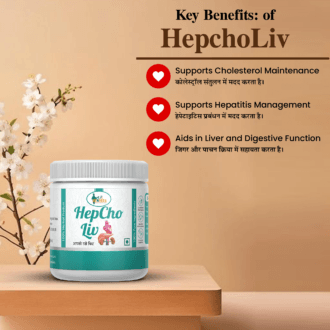
HepCho Liv by Zen Veda is formulated from certified, Uttarakhand-sourced herbs traditionally used to support healthy cholesterol levels and liver function, alongside these foundational lifestyle habits. Explore our wider range of Ayurvedic wellness products, or read more on our About Us page.
Want a personalised plan for your heart and cholesterol health? Book a free consultation with our Vaidyas.
Frequently asked questions
Does high cholesterol always lead to heart disease?
Not automatically, but it’s one of the strongest modifiable risk factors, since sustained high LDL cholesterol steadily increases the likelihood of artery plaque buildup over time.
What’s the difference between LDL and HDL cholesterol?
LDL contributes to artery plaque buildup, while HDL helps clear excess cholesterol from the bloodstream — which is why both numbers matter, not just the total.
Can you have high cholesterol without knowing it?
Yes, high cholesterol is typically symptomless for years, which is why routine blood testing is recommended rather than waiting for symptoms to appear.
Is there recent research confirming the cholesterol-heart link?
Yes, a 2022 systematic review and meta-analysis of prospective cohort studies confirmed a consistent relationship between serum cholesterol and cardiovascular death risk.
Does Ayurveda connect digestion to heart health?
Yes, Ayurveda links the heart closely to Rasa dhatu, the nourishing tissue formed from digestion, meaning poor digestion is classically seen as an upstream contributor to heart-related imbalance.
What daily habits help support healthy cholesterol?
Regular exercise, reduced fried and processed food intake, and consistent eating patterns are the daily habits most strongly linked to healthier cholesterol levels.
📚 Sources
1. Peters, S.A.E. et al. “Serum Cholesterol Levels and Risk of Cardiovascular Death: A Systematic Review and a Dose-Response Meta-Analysis of Prospective Cohort Studies.” International Journal of Environmental Research and Public Health, 2022. PubMed 35886124
2. Charaka Samhita — classical description of Hridaya (heart), Rasa dhatu and their relationship to nourishment.
3. Ashtanga Hridayam — classical Ayurvedic reference for Pitta dosha, metabolism and heart health.
2. Charaka Samhita — classical description of Hridaya (heart), Rasa dhatu and their relationship to nourishment.
3. Ashtanga Hridayam — classical Ayurvedic reference for Pitta dosha, metabolism and heart health.
Disclaimer: This article is for educational purposes only and is not a substitute for personalised medical advice. Individual results vary. Please consult a qualified Ayurvedic practitioner or your healthcare provider before starting any new treatment, especially if you are managing a medical condition or taking medication.
★ 6,500+ happy customers
Ready to start your Ayurvedic hair journey?
Our Vaidyas build personalised herbal routines for you. Free consultation, no obligation.
For Free Consultation Contact +919548121325, +919149171737 | International business inquiry: sahil@zenveda.co.in / +919548121325
Recommended Zen Veda products
Author
