


- Your cart is empty Browse Shop
📌 Quick facts:
- Diet is the single most powerful lever for reversing early fatty liver — often more effective than any supplement.
- A 2021 review confirms that specific dietary patterns directly influence NAFLD risk and severity, not just calorie count.
- Foods rich in fibre, plant protein and healthy fats help, while sugar and fried food actively worsen liver fat.
- Ayurveda recommends laghu (light), freshly cooked food and reduced kapha-aggravating items to support liver health.
Once fatty liver shows up clearly on a report, “eat healthier” is the advice almost everyone gets — but rarely with any specifics. Which foods actually help here, and which ones are quietly making things worse? This guide gives a clear, practical answer: what to eat, what to limit, what research actually supports, and how Ayurveda’s dietary philosophy fits alongside it — always in partnership with your doctor’s monitoring.
The reassuring part is that diet changes for fatty liver don’t require anything exotic or expensive — mostly just a shift in emphasis toward foods you likely already have access to. Most Indian kitchens already stock the vegetables, legumes and whole grains that support liver health; the real change is usually in proportion and frequency rather than a complete overhaul of what’s available at home.
It also helps to know that fatty liver, unlike many chronic conditions, responds unusually well to diet alone in its early stages — meaning the effort you put into these changes tends to pay off in a way you can actually see on a follow-up scan or blood test within months.
📋 In this guide
- What foods should you actually eat with fatty liver?
- What does the research actually say about diet and fatty liver?
- What foods should you limit or avoid?
- How does Ayurveda approach diet for liver health?
- What does a practical day of eating look like?
- How does Zen Veda support a liver-friendly routine?
- Frequently asked questions
What foods should you actually eat with fatty liver?
⚡ Quick answer: Favour vegetables, fibre-rich whole grains, legumes, plant-based protein, nuts, and healthy fats like olive oil. These foods support insulin sensitivity and reduce the inflammation that drives fatty liver, while providing steady, satisfying nutrition that makes portion control easier without constant hunger.
A liver-friendly plate leans heavily on plants: vegetables and fibre-rich whole grains slow sugar absorption and support gut health, while legumes and plant-based proteins provide steady nutrition without the saturated fat load of fatty meats. Nuts, seeds, and healthy fats like olive oil support healthy cholesterol without adding to liver fat the way trans and saturated fats do. This isn’t a restrictive or exotic diet — it’s closer to a traditional, whole-food way of eating that many people already know but don’t consistently follow day to day.
What does the research actually say about diet and fatty liver?
⚡ Quick answer: A 2021 review confirms that dietary patterns directly influence NAFLD risk, independent of total calories — diets rich in animal foods and sugar raise risk, while vegetable-rich, whole-food patterns do not. This means the type of food matters as much as the amount, which is a genuinely empowering distinction.
A review published in BMC Gastroenterology (2021) on dietary patterns and non-alcoholic fatty liver disease found that diets high in animal foods, refined carbohydrates and sugar were associated with increased NAFLD risk, while vegetable-rich, whole-food dietary patterns were not linked to increased risk, even without strict calorie counting. This is a meaningfully different message from generic “eat less” advice — it points specifically toward what you’re eating, not just how much, as the more actionable lever for liver health. You can read the review on PubMed (ID 33509112).
What foods should you limit or avoid?
⚡ Quick answer: Limit sugar, sweetened drinks, refined carbohydrates like maida and white rice, fried and heavily processed food, and excess alcohol. These directly worsen insulin resistance and fat accumulation in the liver, undoing the benefit of an otherwise healthy diet if eaten frequently or in large amounts.
The foods that most reliably worsen fatty liver are the ones already familiar from general health advice: sugar and sweetened beverages, refined “white” carbohydrates, fried and deep-fried snacks, and heavily processed packaged food. Alcohol adds its own separate burden on the liver and is worth limiting strictly, or avoiding entirely, with a diagnosed fatty liver, since it directly interferes with the liver’s ability to process fat efficiently. None of these need to be eliminated with military precision — but reducing their frequency and portion size consistently, rather than occasionally cutting them out entirely and then overcompensating, tends to produce steadier, longer-lasting improvement.
How does Ayurveda approach diet for liver health?
⚡ Quick answer: Ayurveda recommends laghu (light), freshly cooked, warm food that’s easy to digest, avoiding heavy, oily, and stale food that aggravates kapha and burdens agni. This philosophy naturally overlaps with modern dietary advice for fatty liver, favouring whole, freshly prepared meals over processed convenience food.
Ayurvedic dietary guidance for liver health centres firmly on laghu ahara — light, easily digestible food — eaten warm and freshly cooked, since stale, heavy, and reheated food is believed to burden agni and aggravate kapha, both linked to fat accumulation in the liver. This traditional emphasis on freshness and lightness aligns naturally with modern nutrition science’s preference for whole, minimally processed food over packaged and fried alternatives. Traditional herbs like kutki, bhumi amla and punarnava are used alongside this dietary approach, complementing — never replacing — medical monitoring for a diagnosed liver condition.
What does a practical day of eating look like?
⚡ Quick answer: A practical liver-friendly day includes a fibre-rich breakfast, a vegetable-and-protein-forward lunch, a light dinner eaten earlier in the evening, and water or herbal tea instead of sugary drinks throughout the day. Consistency across most days matters more than perfection on any single meal.
| Favour | Limit |
|---|---|
| Vegetables, whole grains, legumes | Sugar, sweets, sweetened drinks |
| Plant protein, nuts, olive oil | Fried food, refined carbs (maida) |
| Warm, freshly cooked meals | Stale, reheated, processed food |
| Water, herbal tea | Excess alcohol |
A realistic, sustainable day might start with a fibre-rich breakfast like oats or whole-grain options, move to a lunch built around vegetables and plant or lean protein, and wind down with a lighter, earlier dinner that gives the digestive system time to rest before sleep. Swapping sugary drinks for water or herbal tea throughout the day removes one of the biggest hidden sources of liver-taxing sugar without requiring any real sacrifice in taste once the habit sets in. None of this needs to be followed with rigid precision — the goal is a pattern you can sustain for months, not a strict diet you abandon after two weeks. Small, repeatable choices made consistently across most days of the week matter far more than one perfect meal followed by several poor ones.
How does Zen Veda support a liver-friendly routine?
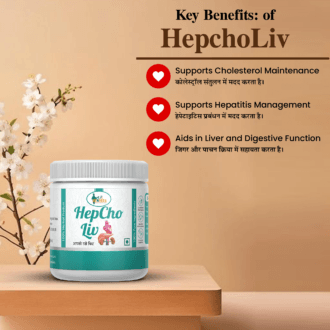
⚡ Quick answer: Zen Veda’s HepCho Liv is a herbal formula traditionally used to support healthy liver function and metabolism, made from certified, Uttarakhand-sourced herbs. It works best alongside the dietary pattern described here — never as a substitute for it — and regular monitoring with your doctor remains essential for a diagnosed condition.
HepCho Liv is formulated from certified, Uttarakhand-sourced herbs traditionally used to support healthy liver function and metabolism. We recommend it as a complement to the dietary pattern outlined here, since diet remains the single most powerful lever for fatty liver — supplements work best layered on top of good habits, not instead of them. Explore the wider Zen Veda range, or learn more on our About Us page.
Want a personalised diet plan for your own routine? You can book a free consultation with our Vaidyas for practical, sustainable guidance tailored to your schedule.
Frequently asked questions
What foods are best for fatty liver?
Vegetables, whole grains, legumes, plant protein, nuts and healthy fats like olive oil are all considered genuinely supportive for fatty liver, based on current research on dietary patterns.
What foods should you avoid with fatty liver?
Sugar, sweetened drinks, refined carbohydrates, fried and processed food, and excess alcohol all worsen fatty liver and are worth limiting significantly over time.
Does diet matter more than calorie counting?
Research suggests the type of food matters independently of total calories — whole, vegetable-rich diets are linked to noticeably lower NAFLD risk even without strict calorie tracking.
How long before diet changes show results?
Many people see improvement in liver enzymes and imaging within three to six months of consistent dietary change, though individual timelines vary quite a bit based on starting point.
Does Ayurveda recommend a specific diet for liver health?
Yes, Ayurveda recommends laghu ahara — light, warm, freshly cooked food — while avoiding heavy, oily and stale food that aggravates kapha and burdens overall digestion.
📚 Sources
1. “Dietary patterns and risk of non-alcoholic fatty liver disease.” BMC Gastroenterology, 2021. PubMed 33509112
2. Charaka Samhita — classical description of laghu ahara and digestive health.
3. Ashtanga Hridayam — classical Ayurvedic reference for diet, agni and kapha balance.
2. Charaka Samhita — classical description of laghu ahara and digestive health.
3. Ashtanga Hridayam — classical Ayurvedic reference for diet, agni and kapha balance.
Disclaimer: This article is for educational purposes only and is not a substitute for personalised medical advice. Individual results vary. Please consult a qualified Ayurvedic practitioner or your healthcare provider before starting any new treatment, especially if you are managing a medical condition or taking medication.
★ 6,500+ happy customers
Ready to start your Ayurvedic hair journey?
Our Vaidyas build personalised herbal routines for you. Free consultation, no obligation.
For Free Consultation Contact +919548121325, +919149171737 | International business inquiry: sahil@zenveda.co.in / +919548121325
Recommended Zen Veda products
Author
