



- Your cart is empty Browse Shop
📌 Quick facts:
- High cholesterol has both genetic and lifestyle causes — it isn’t only about diet, though diet plays a major role.
- A 2024 cardiology review confirms that LDL cholesterol and ApoB remain the primary drivers of cardiovascular risk.
- Common everyday causes include diet, inactivity, excess weight, smoking and underlying conditions like diabetes or thyroid issues.
- Ayurveda links high cholesterol to weak agni and excess kapha — addressed through diet, digestion and liver support.
Getting a “high cholesterol” flag on a routine lab report often triggers the same first thought: “but I eat reasonably well.” The truth is that cholesterol levels are shaped by several factors working together, not just what’s on your plate. This guide walks through the five most common causes behind rising cholesterol, what recent cardiology research says about managing it, and how Ayurveda approaches the problem — always alongside your doctor’s guidance and monitoring.
Understanding which of these five causes applies most to you is what actually makes a treatment plan work, rather than generically “eating healthier” without addressing the real driver. Many people spend months adjusting their diet alone, only to discover later that inactivity, weight, or an undiagnosed thyroid issue was the bigger contributor all along — a proper lipid panel and a conversation with your doctor can save a lot of that guesswork.
📋 In this guide
- What are the five most common causes of rising cholesterol?
- Is diet really the biggest factor, or is it overstated?
- Can genetics alone cause high cholesterol?
- How does Ayurveda understand high cholesterol?
- What lifestyle changes address these causes most effectively?
- How does Zen Veda support healthy cholesterol management?
- Frequently asked questions
What are the five most common causes of rising cholesterol?
⚡ Quick answer: The five most common causes are: a diet high in saturated and trans fats, physical inactivity, excess body weight, smoking, and genetics or underlying conditions like diabetes and hypothyroidism. Most people have a combination of two or three of these, which is why a single lifestyle change often isn’t enough on its own.
Cholesterol levels rise when the balance between how much your body produces, absorbs from food, and clears from the bloodstream tips in the wrong direction. Diets heavy in saturated fat (fatty meats, full-fat dairy, fried food) and trans fats push LDL up directly. Inactivity and excess weight, especially around the abdomen, worsen insulin resistance, which independently raises cholesterol and triglycerides. Smoking lowers protective HDL and damages blood vessel linings directly, compounding the problem further. And some people have a genetic tendency (familial hypercholesterolemia) or an underlying condition like diabetes or an underactive thyroid driving their numbers, regardless of diet.
Is diet really the biggest factor, or is it overstated?
⚡ Quick answer: Diet matters, but it’s one of several roughly equal-weight factors, not the single dominant cause for everyone. A 2024 cardiology review confirms that LDL cholesterol and ApoB (a marker reflecting the number of cholesterol-carrying particles) are the primary drivers of cardiovascular risk, and these respond to genetics, weight and activity levels just as much as diet.
A detailed review published in the Canadian Journal of Cardiology (2024) on dyslipidemia and cardiovascular disease confirmed that LDL cholesterol and ApoB remain the central, most reliable predictors of cardiovascular risk, and emphasised that managing them effectively usually requires addressing multiple contributing factors together rather than diet alone. This is genuinely useful to know: if you’ve already cleaned up your diet and your numbers haven’t moved much, the missing piece is often activity level, weight, or an underlying condition that hasn’t been checked yet. You can read the review on PubMed (ID 39111899).
Can genetics alone cause high cholesterol?
⚡ Quick answer: Yes. Familial hypercholesterolemia, a genetic condition, can cause significantly high LDL cholesterol from a young age regardless of diet or lifestyle. If cholesterol is very high despite a healthy lifestyle, or if it runs strongly in your family, it’s worth asking your doctor about genetic testing rather than assuming diet is the only lever.
Some people inherit a reduced ability to clear LDL cholesterol from the bloodstream, a condition called familial hypercholesterolemia, which can produce markedly high cholesterol even in someone who eats well, exercises regularly and maintains a healthy weight. This is more common than many realise and often runs in families, sometimes showing up as early heart disease in relatives at a young age. Recognising this possibility matters because the management approach differs — genetic causes often need medication alongside lifestyle change, not lifestyle change alone, so it is worth discussing your family history explicitly with your doctor. A simple blood test can usually confirm whether this is a factor for you or your children.
How does Ayurveda understand high cholesterol?
⚡ Quick answer: Ayurveda links high cholesterol to weakened agni (digestive fire) and excess kapha dosha, leading to accumulation of meda dhatu (fat tissue) and ama (metabolic toxins). Support focuses on strengthening digestion, reducing heavy and oily foods, and using herbs traditionally believed to support healthy lipid metabolism and liver function.
In Ayurvedic terms, rising cholesterol reflects excess meda dhatu building up because of weakened agni and the accumulation of ama, often worsened by aggravated kapha dosha from heavy, oily, sweet foods and inactivity. This view naturally overlaps with the modern picture of diet and metabolism driving lipid levels. Traditional support includes herbs like guggulu, arjuna and triphala, chosen for their reputed effects on lipid metabolism and liver function, used alongside — never instead of — regular blood testing and medical guidance for anyone with a diagnosed lipid disorder.
What lifestyle changes address these causes most effectively?
⚡ Quick answer: Reduce saturated and trans fats, add more fibre and healthy unsaturated fats, exercise regularly, maintain a healthy weight, and quit smoking. Since most people have more than one contributing cause, addressing two or three of these together usually produces better results than focusing on just one.
| Cause | What helps |
|---|---|
| Diet high in saturated/trans fat | Fibre, vegetables, healthy unsaturated fats |
| Inactivity | Regular aerobic exercise |
| Excess weight | Gradual, sustainable weight loss |
| Smoking | Quitting, even gradually |
| Genetics/underlying conditions | Medical testing and monitoring |
Because high cholesterol usually has more than one contributing cause, the most effective approach tackles several at once rather than fixating on one. Reduce saturated and trans fats while adding fibre-rich vegetables, whole grains and healthy unsaturated fats like nuts and olive oil. Build in regular aerobic exercise, since this raises protective HDL independently of diet. Aim for gradual, sustainable weight loss rather than crash dieting. If you smoke, quitting produces a measurable improvement in cholesterol within weeks. And if your numbers remain high despite consistent effort, ask your doctor about testing for genetic or thyroid-related causes rather than assuming you’re simply not trying hard enough.
How does Zen Veda support healthy cholesterol management?
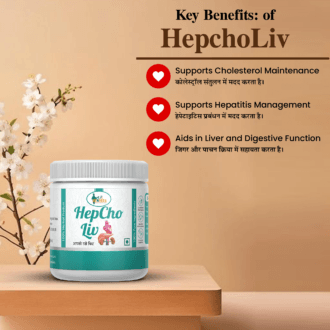
⚡ Quick answer: Zen Veda’s HepCho Liv is a herbal formula traditionally used to support liver function and healthy cholesterol, made from certified, Uttarakhand-sourced herbs. It works best alongside a heart-healthy diet, regular exercise, and your doctor’s ongoing monitoring — especially if genetics or an underlying condition is contributing to your numbers.
HepCho Liv is carefully formulated from certified, Uttarakhand-sourced herbs traditionally used to support healthy liver function and lipid metabolism. We recommend it as a complement to identifying and addressing your own specific contributing causes — never as a substitute for your doctor’s testing and ongoing monitoring, especially if genetics may be involved. Explore the wider Zen Veda range, or learn more about us on our About Us page.
Not sure which of these five causes applies to you? You can book a free consultation with our Vaidyas for practical, personalised guidance based on your recent lab results.
Frequently asked questions
What are the main causes of high cholesterol?
The five most common causes are diet high in saturated fat, physical inactivity, excess body weight, smoking, and genetics or underlying conditions like diabetes or hypothyroidism.
Can you have high cholesterol even with a healthy diet?
Yes, genetic conditions like familial hypercholesterolemia can cause high cholesterol regardless of diet, which is why persistent high readings despite healthy habits deserve prompt medical evaluation.
Does exercise lower cholesterol?
Yes, regular aerobic exercise helps raise protective HDL cholesterol and supports healthy weight, both of which meaningfully improve overall lipid profile over time.
Does Ayurveda have remedies for high cholesterol?
Yes, Ayurveda addresses high cholesterol through diet, digestion support and herbs like guggulu and arjuna, traditionally used to support healthy lipid metabolism and overall liver function.
When should high cholesterol be checked by a doctor?
Get a lipid panel checked regularly, especially if you have a family history of heart disease or high cholesterol, and always discuss results with your doctor for a personalised, actionable plan.
📚 Sources
1. “Dyslipidemia and the Current State of Cardiovascular Disease: Epidemiology, Risk Factors, and Effect of Lipid Lowering.” Canadian Journal of Cardiology, 2024. PubMed 39111899
2. Charaka Samhita — classical descriptions of meda dhatu, kapha dosha and metabolism.
3. Ashtanga Hridayam — classical Ayurvedic reference for digestion, agni and fat tissue balance.
2. Charaka Samhita — classical descriptions of meda dhatu, kapha dosha and metabolism.
3. Ashtanga Hridayam — classical Ayurvedic reference for digestion, agni and fat tissue balance.
Disclaimer: This article is for educational purposes only and is not a substitute for personalised medical advice. Individual results vary. Please consult a qualified Ayurvedic practitioner or your healthcare provider before starting any new treatment, especially if you are managing a medical condition or taking medication.
★ 6,500+ happy customers
Ready to start your Ayurvedic hair journey?
Our Vaidyas build personalised herbal routines for you. Free consultation, no obligation.
For Free Consultation Contact +919548121325, +919149171737 | International business inquiry: sahil@zenveda.co.in / +919548121325
Recommended Zen Veda products
Author
