


- Your cart is empty Browse Shop
📌 Quick facts:
- PCOS (Polycystic Ovary Syndrome) is one of the most common hormonal conditions in women of reproductive age, yet it is frequently missed for years.
- Early signs include irregular periods, acne, unusual hair growth, and stubborn weight gain — often dismissed as ordinary lifestyle issues.
- Widely used diagnostic criteria (the Rotterdam criteria) require at least two of three key features to confirm PCOS.
- Ayurveda views PCOS through the lens of kapha and ama accumulation disrupting artava (reproductive tissue) — addressed through diet, herbs and lifestyle, alongside medical care.
PCOS is often called a “silent” condition — not because it has no symptoms, but because its symptoms are so easily explained away. Irregular periods get blamed on stress. Acne gets blamed on diet. Weight gain gets blamed on willpower. Meanwhile, the actual underlying hormonal imbalance goes unaddressed for years, sometimes only surfacing when a woman struggles to conceive. This guide explains the early signs worth taking seriously, what research says about diagnosis, and how Ayurveda supports hormonal balance — always alongside proper medical evaluation.
Catching PCOS early matters because its effects extend well beyond periods — it is linked to insulin resistance, fertility challenges and long-term metabolic risk. The earlier the pattern is recognised, the more manageable it becomes, and the more options remain open for lifestyle-based management before symptoms become entrenched or complications develop.
📋 In this guide
What are the early signs of PCOS?
⚡ Quick answer: Early signs include irregular or missed periods, persistent acne (especially along the jawline), unwanted hair growth on the face or body, thinning scalp hair, and weight gain that resists diet and exercise. Individually these seem minor, but together they form a recognisable pattern that is easy to miss without looking for it specifically.
Because PCOS symptoms overlap with ordinary life stressors, they rarely raise alarm on their own. A period that arrives late, skin that breaks out more than it used to, a few stray hairs on the chin, hair that seems thinner at the part — each is easy to attribute to something else. It is the combination and persistence of these signs, especially alongside irregular cycles, that should prompt a proper hormonal evaluation rather than another skincare routine or diet change. Keeping a simple monthly log of your cycle and symptoms can make this pattern much easier to spot and describe to a doctor.
How is PCOS actually diagnosed?
⚡ Quick answer: The widely used Rotterdam criteria diagnose PCOS when a woman has at least two of three features: irregular or absent ovulation, clinical or biochemical signs of excess androgens (like acne or excess hair growth), and polycystic ovaries on ultrasound. This means PCOS can look different from woman to woman, which is part of why it’s so often missed.
A landmark consensus, widely known as the Rotterdam criteria, established that a PCOS diagnosis requires at least two of three findings: irregular or absent ovulation, clinical or lab evidence of raised androgens, and polycystic-appearing ovaries on ultrasound. This flexible definition was intentional — PCOS is not a single, uniform condition, and requiring all three features would miss many genuine cases. It also explains why two women with PCOS can present very differently: one with mainly irregular periods, another with mainly skin and hair symptoms. You can read the original criteria on PubMed (ID 14688154).
Why does PCOS matter beyond irregular periods?
⚡ Quick answer: PCOS is closely tied to insulin resistance, which raises long-term risk of type 2 diabetes and cardiovascular issues. It is also a leading cause of fertility difficulty. Left unaddressed, its metabolic effects tend to compound over time — which is exactly why early recognition and management matter more than the period irregularity alone suggests.
PCOS is fundamentally a metabolic condition that shows up through the reproductive system, not just a “period problem.” Insulin resistance is central to most cases, driving both the hormonal imbalance and, over years, a higher risk of type 2 diabetes, high cholesterol and cardiovascular disease. It is also one of the most common causes of ovulatory infertility, which is often how it finally gets diagnosed. Understanding this bigger picture is why doctors recommend addressing PCOS through sustained lifestyle change and, where needed, medication — not just symptom-by-symptom fixes like treating acne alone.
How does Ayurveda view PCOS?
⚡ Quick answer: Ayurveda links PCOS-like patterns to aggravated kapha dosha and accumulated ama disturbing artava vaha srotas (the reproductive channels), alongside weakened agni. Support focuses on rekindling digestion, clearing ama, and balancing kapha through diet, herbs and daily routine — complementing, not replacing, medical management.
Ayurveda describes conditions resembling PCOS as arising from disturbed kapha dosha combined with ama (undigested toxins) obstructing the artava vaha srotas, the channels governing reproductive tissue and menstruation. This aligns strikingly with the modern understanding of insulin resistance and metabolic sluggishness underlying PCOS — both frameworks point toward digestion, metabolism and channel blockage as root contributors. Traditional support includes herbs like shatavari, ashoka and guggulu, chosen for their reputed effects on hormonal balance and kapha reduction, used alongside dietary changes that reduce heavy, sweet and oily foods which aggravate kapha further.
What diet and lifestyle changes help manage PCOS?
⚡ Quick answer: Focus on reducing refined sugar and processed carbs, eating more fibre and protein, and staying physically active — all of which target the insulin resistance driving PCOS. Regular sleep and stress management also help, since poor sleep and high stress worsen hormonal imbalance. These changes take time but are the most evidence-backed foundation for managing PCOS long-term.
| Favour | Reduce / avoid |
|---|---|
| Fibre, vegetables, whole grains, protein | Sugar, refined carbs, sweetened drinks |
| Regular physical activity | Prolonged inactivity |
| Consistent sleep schedule | Chronic sleep deprivation |
| Stress management practices | Unmanaged chronic stress |
Because insulin resistance sits at the core of most PCOS cases, the most effective lifestyle changes are the ones that directly improve insulin sensitivity. Cutting back on refined sugar, sweetened drinks and processed carbohydrates reduces the blood sugar spikes that worsen the underlying hormonal imbalance. Building meals around fibre, vegetables, whole grains and adequate protein helps steady blood sugar throughout the day. Regular physical activity, even moderate walking, measurably improves insulin sensitivity over time. Sleep and stress are often overlooked, but chronic sleep deprivation and unmanaged stress both raise cortisol, which can worsen insulin resistance and hormonal imbalance further. None of these changes work overnight, but sustained over months, they are consistently the most effective non-pharmacological approach to managing PCOS.
How does Zen Veda support hormonal balance?
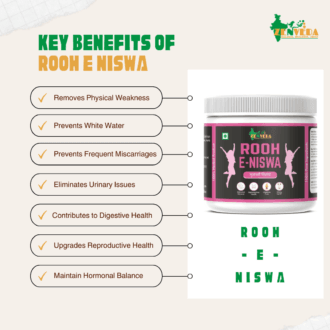
⚡ Quick answer: Zen Veda’s Rooh-e-Niswa is a herbal formula designed to support women’s hormonal balance and reproductive wellness, made from certified, Uttarakhand-sourced herbs. For diagnosed PCOS, it works best as part of a broader plan involving diet, exercise, and regular follow-up with your gynaecologist or endocrinologist.
Rooh-e-Niswa is crafted from certified, Uttarakhand-sourced herbs traditionally used to support women’s hormonal and reproductive wellness. As with any PCOS-related concern, we recommend using it alongside — never instead of — a doctor’s diagnosis and monitoring, since PCOS management genuinely benefits from a combined approach. Explore the wider Zen Veda range, or learn about our approach on the About Us page.
If you recognise these signs in yourself, you can book a free consultation with our Vaidyas to discuss a practical, personalised plan tailored to your cycle and symptoms.
Frequently asked questions
What are the earliest signs of PCOS?
Irregular periods, persistent acne, unwanted hair growth, thinning scalp hair, and weight that resists diet and exercise are common early signs, especially when they occur together.
Can you have PCOS with regular periods?
Yes. Since diagnosis requires only two of three Rotterdam criteria, some women with PCOS have relatively regular cycles but show other signs like excess androgens or polycystic ovaries.
Is PCOS linked to weight gain?
Yes, insulin resistance in PCOS often makes weight gain easier and weight loss harder, particularly around the abdomen. However, PCOS also affects women who are not overweight.
Does PCOS affect fertility?
PCOS is one of the leading causes of ovulatory infertility, but many women with PCOS do conceive, especially with appropriate medical management and lifestyle changes.
When should you get tested for PCOS?
See a doctor if you notice irregular periods, unexplained acne or hair growth, or difficulty losing weight, especially if several of these occur together over a few months. A simple blood test and pelvic ultrasound can usually confirm or rule out PCOS fairly quickly and easily.
📚 Sources
1. “Revised 2003 consensus on diagnostic criteria and long-term health risks related to polycystic ovary syndrome.” Human Reproduction, 2004. PubMed 14688154
2. Charaka Samhita — classical descriptions of artava vaha srotas, kapha dosha and reproductive imbalance.
3. Ashtanga Hridayam — classical Ayurvedic reference for menstrual and hormonal health.
2. Charaka Samhita — classical descriptions of artava vaha srotas, kapha dosha and reproductive imbalance.
3. Ashtanga Hridayam — classical Ayurvedic reference for menstrual and hormonal health.
Disclaimer: This article is for educational purposes only and is not a substitute for personalised medical advice. Individual results vary. Please consult a qualified Ayurvedic practitioner or your healthcare provider before starting any new treatment, especially if you are managing a medical condition or taking medication.
★ 6,500+ happy customers
Ready to start your Ayurvedic hair journey?
Our Vaidyas build personalised herbal routines for you. Free consultation, no obligation.
For Free Consultation Contact +919548121325, +919149171737 | International business inquiry: sahil@zenveda.co.in / +919548121325
Recommended Zen Veda products
Author
