


- Your cart is empty Browse Shop
📌 Quick facts:
- Fatty liver (fatty deposits in liver cells) is now extremely common in India — largely driven by diet, sugar, inactivity and weight, not just alcohol.
- In its early stage it is often reversible through weight loss, diet and lifestyle change.
- A 2022 medical review confirms that lifestyle modification remains the cornerstone of managing non-alcoholic fatty liver disease.
- Ayurveda supports the liver by protecting agni (digestion) and pitta balance — alongside, not instead of, medical care.
Seeing “fatty liver” or “hepatic steatosis” on a health report is unsettling — especially when you feel perfectly fine and were only there for a routine check-up. The good news, which many people are never clearly told, is that early fatty liver is one of the more reversible findings you can get. It is a warning light, not a verdict. This guide explains calmly what fatty liver is, what happens if it is ignored, what modern research says about reversing it, and how Ayurvedic diet and lifestyle can support your liver — always alongside your doctor’s guidance.
The rise of fatty liver in India tracks almost exactly with modern eating and living — more sugar, refined carbohydrates, fried food and sitting, less movement. That is frustrating, but it is also the reason for hope: the same daily factors that create fatty liver can, with patience, help unwind it.
📋 In this guide
- What is fatty liver, and why is it so common now?
- Is fatty liver serious? What happens if you ignore it?
- What does the science say about reversing fatty liver?
- How does Ayurveda view and support liver health?
- What diet and lifestyle changes help a fatty liver?
- How does Zen Veda support liver health?
- Frequently asked questions
What is fatty liver, and why is it so common now?
⚡ Quick answer: Fatty liver means excess fat has built up inside your liver cells. Non-alcoholic fatty liver disease (NAFLD) is driven mainly by a diet high in sugar and refined carbs, excess weight, insulin resistance and inactivity. Modern lifestyles have made it one of the most common liver conditions worldwide — often found by chance on a routine scan or report.
Your liver is meant to hold only a little fat. When too much accumulates inside its cells — generally more than five to ten percent of the liver’s weight — it is called fatty liver, or hepatic steatosis. The most common form, non-alcoholic fatty liver disease, is not caused by alcohol at all. It is tightly linked to the modern metabolic picture: diets heavy in sugar, sweetened drinks and refined carbohydrates, excess body weight (especially around the abdomen), insulin resistance and a sedentary routine. Because early fatty liver usually causes no symptoms, most people discover it accidentally through an ultrasound or a raised liver enzyme on a blood test. That silence is exactly why understanding it early matters so much.
Is fatty liver serious? What happens if you ignore it?
⚡ Quick answer: Early fatty liver is usually mild and reversible, but ignored over years it can progress to inflammation (steatohepatitis), then scarring (fibrosis) and sometimes cirrhosis. It also signals higher risk of diabetes and heart disease. The point isn’t to panic — it’s to treat the early warning seriously and act, because early action makes reversal easiest.
Fatty liver exists on a spectrum. At the simple-fat stage it often causes little harm and can be reversed. If the underlying drivers continue for years, though, the fat can trigger inflammation (non-alcoholic steatohepatitis), which over time may lead to fibrosis (scarring) and, in a minority, cirrhosis with serious liver impairment. Just as importantly, fatty liver rarely travels alone: it is closely tied to insulin resistance and metabolic syndrome, so it flags a raised risk of type 2 diabetes and cardiovascular disease too. None of this is a reason for alarm at an early diagnosis — but it is a strong reason to take the finding seriously now, while it is most responsive to change, rather than waiting until symptoms finally appear.
What does the science say about reversing fatty liver?
⚡ Quick answer: Research is genuinely encouraging: lifestyle change is the proven foundation. A 2022 medical review concluded that weight loss, dietary improvement and exercise remain the cornerstone of managing non-alcoholic fatty liver disease. Losing even seven to ten percent of body weight can significantly reduce liver fat and inflammation — meaning your daily choices are the most powerful medicine here.
This is where the evidence is unusually clear and empowering. A comprehensive review published in Frontiers in Endocrinology (2022) on the treatment of non-alcoholic fatty liver disease affirmed that, despite emerging drug options, lifestyle modification remains the cornerstone of management. The research consistently shows that gradual weight loss is the single most effective lever — reducing liver fat and, at higher amounts of loss, even improving inflammation and early scarring. Cutting sugar and refined carbohydrates, adding regular physical activity, and improving overall diet quality act directly on the insulin resistance that drives fat accumulation. In other words, the fix is largely in your hands, and it works best precisely when the condition is caught early. You can read the review on PubMed (ID 36726464).
How does Ayurveda view and support liver health?
⚡ Quick answer: Ayurveda sees the liver (yakrit) as a seat of pitta and a key organ of metabolism. Fatty liver reflects weak agni (digestive fire) and accumulation of ama (metabolic toxins) with excess kapha and meda (fat tissue). Support focuses on rekindling agni, clearing ama, and using traditional liver-friendly herbs — as a complement to medical care.
Ayurveda has always treated the liver, yakrit, as a central organ of transformation and a primary seat of pitta. Through this lens, fatty liver is read as a disorder of metabolism: when agni (the digestive and metabolic fire) weakens, food is poorly processed, ama (sticky metabolic toxins) accumulates, and excess meda dhatu (fat tissue) and kapha build up and clog the body’s channels — a picture that maps neatly onto fat accumulating in liver cells. Ayurvedic support therefore aims to rekindle agni, clear ama and blockages, and lighten kapha and meda, using traditional liver-supporting herbs such as kutki, bhumi amla, punarnava and guduchi within a broader lifestyle programme. As always, for a diagnosed condition this works best alongside your doctor’s monitoring, not in place of it.
What diet and lifestyle changes help a fatty liver?
⚡ Quick answer: Cut sugar, sweetened drinks, refined carbs and fried food; eat more vegetables, fibre, whole grains and healthy protein; and move daily — even a brisk walk after meals helps. Aim for gradual, steady weight loss rather than crash dieting. Limit alcohol, sleep well, and manage stress. These simple, consistent habits are what genuinely shift liver fat.
| Favour | Reduce / avoid |
|---|---|
| Vegetables, fibre, whole grains | Sugar, sweets, sweetened drinks |
| Healthy protein & good fats | Refined carbs (maida), fried food |
| Daily movement & post-meal walks | Long sitting, inactivity |
| Gradual, steady weight loss | Crash diets & excess alcohol |
The daily habits that reverse fatty liver are refreshingly ordinary, but their effect is powerful because they target the root — insulin resistance and excess fat. Reduce the biggest drivers first: sugar, sweetened and aerated drinks, refined “white” carbohydrates like maida, and fried food. Build meals around vegetables, fibre, whole grains, pulses, healthy protein and good fats. Move your body every day; even a brisk walk after meals helps steady blood sugar and support the liver. Crucially, aim for gradual weight loss rather than crash dieting, which can backfire. Keep alcohol minimal, protect your sleep, and manage stress. Done consistently over months, this combination is exactly what the research shows works — and it happens to align closely with the Ayurvedic wisdom of light, warm, freshly cooked food and an active, regular routine.
How does Zen Veda support liver health?
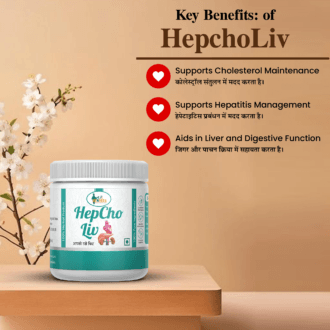
⚡ Quick answer: Zen Veda’s HepCho Liv is a herbal formula designed to support healthy liver function and metabolism, made from certified, Uttarakhand-sourced herbs. It is meant to complement — never replace — a liver-friendly diet, regular exercise and your doctor’s care. For a diagnosed fatty liver, use it as part of a broader plan, and keep up your medical follow-ups.
Zen Veda’s approach to liver wellness follows this whole-lifestyle philosophy. HepCho Liv is a herbal formula crafted from certified, Uttarakhand-sourced herbs and designed to support healthy liver function and metabolism. We are deliberately careful with our language: for a diagnosed condition like fatty liver, Ayurvedic herbs are a complement to diet, exercise and your doctor’s monitoring, not a substitute for them. Explore the wider Zen Veda range, and learn how we work on our About Us page.
Not sure where to begin? You can book a free consultation with our Vaidyas for a calm, practical plan tailored to you.
Frequently asked questions
Can fatty liver be reversed?
Yes, early (simple) fatty liver is often reversible. Gradual weight loss, cutting sugar and refined carbs, and regular exercise can significantly reduce liver fat. The earlier you act, the easier it is — which is why an early diagnosis is actually good news.
What foods should you avoid with fatty liver?
Limit sugar, sweets and sweetened or aerated drinks, refined carbohydrates like maida, fried and heavily processed foods, and excess alcohol. Favour vegetables, fibre, whole grains, pulses and healthy protein instead.
Is fatty liver caused only by alcohol?
No. Non-alcoholic fatty liver disease is very common and unrelated to alcohol — it is driven by diet, weight, insulin resistance and inactivity. Alcohol can cause a separate alcoholic fatty liver, so both are worth avoiding.
How long does it take to improve fatty liver?
With consistent diet and lifestyle change, many people see improvement in liver enzymes and scans over three to six months. It is a gradual, cumulative process, so steady habits matter more than quick fixes.
When should you see a doctor about fatty liver?
Always discuss a fatty-liver finding with your doctor, who can assess its stage and check for related risks like diabetes. Seek prompt care for symptoms such as persistent right-upper-abdominal pain, jaundice, or unexplained fatigue and swelling.
📚 Sources
1. “Advancements in the treatment of non-alcoholic fatty liver disease (NAFLD).” Frontiers in Endocrinology (Lausanne), 2022. PubMed 36726464
2. Charaka Samhita — classical descriptions of yakrit (liver), agni, ama and meda dhatu in metabolism.
3. Ashtanga Hridayam — classical Ayurvedic reference for pitta, digestion and liver-supporting regimen.
2. Charaka Samhita — classical descriptions of yakrit (liver), agni, ama and meda dhatu in metabolism.
3. Ashtanga Hridayam — classical Ayurvedic reference for pitta, digestion and liver-supporting regimen.
Disclaimer: This article is for educational purposes only and is not a substitute for personalised medical advice. Individual results vary. Please consult a qualified Ayurvedic practitioner or your healthcare provider before starting any new treatment, especially if you are managing a medical condition or taking medication.
★ 6,500+ happy customers
Ready to start your Ayurvedic hair journey?
Our Vaidyas build personalised herbal routines for you. Free consultation, no obligation.
For Free Consultation Contact +919548121325, +919149171737 | International business inquiry: sahil@zenveda.co.in / +919548121325
Recommended Zen Veda products
Author
