




- Your cart is empty Browse Shop
📌 Quick facts:
- Shatavari (Asparagus racemosus) is Ayurveda’s foremost women’s rejuvenating tonic — its name is often translated as “she who has a hundred roots” (or husbands), reflecting its reputation for female vitality.
- It is traditionally used across a woman’s life: menstrual balance, fertility, lactation and menopause.
- A randomized clinical trial found a Shatavari formulation increased breast-milk output in nursing mothers.
- Classified as a rasayana and cooling tonic, it is gentle enough for long-term daily use.
If Ayurveda has a single signature herb for women, it is Shatavari. Revered for centuries as the “queen of herbs”, this humble climbing plant with its cluster of tuberous roots has been used to support women through every stage of life — from the first irregular teenage cycles to fertility, pregnancy, breastfeeding and the changes of menopause. In a world of fast-changing wellness trends, Shatavari’s staying power says something: it has earned its reputation over a very long time.
This complete guide explains what Shatavari actually is, its main benefits for women, how it relates to hormones and reproductive health, what modern research shows, and how to use it safely. As always, we keep the claims honest and grounded — Shatavari is a nourishing, supportive tonic, not a cure-all.
📋 In this guide
- What is Shatavari and why is it called the queen of herbs?
- What are the main benefits of Shatavari for women?
- Does Shatavari help with hormones and reproductive health?
- Is there scientific evidence for Shatavari?
- How do you take Shatavari, and is it safe?
- How does Zen Veda use Shatavari for women’s wellness?
- Frequently asked questions
What is Shatavari and why is it called the queen of herbs?
⚡ Quick answer: Shatavari is Asparagus racemosus, a climbing plant whose roots are used in Ayurveda as the leading female tonic. Its Sanskrit name is read as “she who has a hundred roots”, symbolising abundant nourishment for women. Classified as a cooling rasayana, it is prized for supporting reproductive health, hormones and female wellbeing across every life stage.
Shatavari (Asparagus racemosus) is a spiny, climbing shrub native to India and the Himalayas, and it is the plant’s slender tuberous roots that carry its medicinal value. In classical Ayurveda it is celebrated above all as a female reproductive tonic and a rasayana — a rejuvenating substance that nourishes tissues and promotes longevity. Its name is usually translated as “she who possesses a hundred roots”, a poetic nod to both its physical form and its reputation for supporting fertility and vitality in women. Ayurveda describes it as sweet, cooling and unctuous, qualities that make it especially soothing for a pitta-aggravated, overworked modern constitution — which is part of why it feels so relevant today.
What are the main benefits of Shatavari for women?
⚡ Quick answer: Shatavari is traditionally used to support menstrual comfort and regularity, healthy fertility, breast-milk production during nursing, and a smoother transition through menopause. As a cooling rasayana, it also nourishes overall strength, digestion and calm. Its appeal is that a single, gentle tonic supports women through many different life stages.
| Life stage | How Shatavari is traditionally used |
|---|---|
| Menstrual years | Supports comfortable, regular cycles |
| Fertility & conception | Nourishes reproductive tissue (artava/shukra) |
| Breastfeeding | Traditional galactagogue to support milk supply |
| Menopause | Cooling support for the transition and wellbeing |
What makes Shatavari remarkable is its breadth. In the menstrual years it is used to support comfortable, regular cycles and to soothe a heated, stressed system. For those hoping to conceive, it is a classic tonic for nourishing reproductive tissue and reproductive health. During breastfeeding it is one of Ayurveda’s most trusted galactagogues — herbs used to support healthy milk supply. And around menopause, its cooling, nourishing nature is valued for easing the transition. Beyond reproduction, as a general rasayana it supports digestion, strength and a settled mind. This versatility is precisely why Shatavari has remained a cornerstone of women’s Ayurveda for so long.
Does Shatavari help with hormones and reproductive health?
⚡ Quick answer: Traditionally, yes — Shatavari is considered a hormone-supportive, reproductive rejuvenator, used to encourage balance across the cycle and life stages. Modern research suggests it contains steroidal saponins and acts as an adaptogen and phytoestrogen-like tonic. It is best seen as gentle, supportive balancing rather than a strong hormonal drug, and works alongside good diet and lifestyle.
Shatavari’s roots are rich in steroidal saponins (shatavarins), flavonoids and other compounds, and both traditional use and early research frame it as an adaptogenic, hormone-supportive tonic for women. Rather than forcing a single hormone up or down like a pharmaceutical, it is understood to work gently and holistically — nourishing reproductive tissue, calming the nervous system, and helping the body find its own balance across the cycle and through life transitions. This softer, systemic action is exactly what Ayurveda means by a rasayana: not a quick chemical override, but patient nourishment that supports the body’s own regulation. It pairs naturally with the diet, sleep and stress-care that underpin healthy hormones.
Is there scientific evidence for Shatavari?
⚡ Quick answer: Yes, though the research is still developing. One area with clinical support is lactation: a randomized trial found a Shatavari formulation improved breast-milk output in nursing mothers. Reviews also document its antioxidant, adaptogenic and reproductive-supportive properties. The evidence is promising and consistent with tradition, while researchers call for larger, high-quality human trials.
Shatavari is one of the more studied Ayurvedic women’s herbs. Its best-supported traditional use is as a galactagogue: a randomized clinical trial published in the Journal of Obstetrics and Gynaecology (2025) by Ajgaonkar and colleagues found that a Shatavari root-extract formulation improved breast-milk production in nursing mothers compared with control. Broader pharmacological reviews of Asparagus racemosus document antioxidant, immunomodulatory and reproductive-supportive activity, consistent with its classical reputation. As with most botanicals, the honest caveat is that many claims still rest on traditional use and smaller studies, and larger rigorous trials are welcome. But for a herb this old, having clinical evidence in even one key area is meaningful. Read the lactation trial on PubMed (ID 41055223).
How do you take Shatavari, and is it safe?
⚡ Quick answer: Shatavari is usually taken as a powder (churna) stirred into warm milk or water, or within a formulated tonic, once or twice daily. It is considered safe and gentle for most women in traditional doses. Those who are pregnant, breastfeeding, on hormone-sensitive medication, or managing a health condition should use it under practitioner guidance.
Traditionally, Shatavari is taken as a fine root powder (churna) — classically stirred into warm milk with a little honey or ghee, which suits its sweet, nourishing nature — or as part of a ready-made formulation. A common approach is once or twice daily, consistently, since rasayana herbs build their benefit over time. Shatavari has a long record of safe use and is generally well tolerated, being gentle and cooling. That said, sensible caution applies: anyone pregnant or breastfeeding, taking hormone-sensitive or diuretic medication, or managing a medical condition should use it under the guidance of a qualified practitioner, and those with an asparagus allergy should avoid it. Choosing a quality, certified product also matters, since potency and purity vary widely in the market.
How does Zen Veda use Shatavari for women’s wellness?
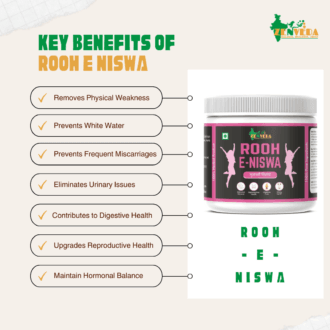
⚡ Quick answer: Zen Veda’s Rooh E Niswa is a female health support formula that draws on classic women’s tonic herbs, made from certified, Uttarakhand-sourced ingredients. Rather than raw powder of uncertain quality, it delivers women’s rejuvenative herbs in a balanced, ready-to-use form designed for daily support across life stages — with a free Vaidya consultation to personalise it.
Zen Veda’s women’s range is built on exactly this tradition of gentle, whole-formula nourishment. Rooh E Niswa is a female health support formula that brings together classic women’s tonic herbs into a balanced blend, crafted from certified, Uttarakhand-sourced ingredients. The whole-formula approach means the herbs work together in the balanced way Ayurveda favours, and buying a properly made product avoids the quality and authenticity problems of loose powders. Explore the wider Zen Veda women’s range for more options suited to your needs.
Not sure what suits your stage of life? You can book a free consultation with our Vaidyas for warm, personalised guidance.
Frequently asked questions
What is Shatavari good for?
Shatavari is traditionally used to support women’s reproductive health — menstrual comfort, fertility, breast-milk production and the menopause transition — as well as general strength, digestion and calm. It is Ayurveda’s premier female rejuvenating tonic (rasayana).
Can Shatavari balance hormones?
It is traditionally regarded as hormone-supportive and is thought to act as a gentle adaptogen and phytoestrogen-like tonic. It supports the body’s own balance rather than acting like a strong hormonal drug, and works best alongside good diet, sleep and stress management.
Can men take Shatavari?
Yes. While famous as a women’s tonic, Shatavari is also used generally as a cooling rasayana for digestion, calm and vitality, and men sometimes use it for reproductive and general health. Its reputation is simply strongest in women’s wellness.
How long does Shatavari take to work?
As a rasayana, Shatavari builds its benefits gradually. Many women notice effects over four to twelve weeks of consistent daily use. It is designed for steady, cumulative nourishment rather than an immediate result.
Are there side effects of Shatavari?
Shatavari is generally well tolerated. Occasionally it may cause mild digestive upset, and those with an asparagus allergy should avoid it. If you are pregnant, breastfeeding, on medication or managing a condition, use it under practitioner guidance to be safe.
📚 Sources
1. Ajgaonkar A, et al. “Shatavari (Asparagus racemosus Willd) root extract for postpartum lactation: a randomized clinical study.” Journal of Obstetrics and Gynaecology, 2025. PubMed 41055223
2. Goyal RK, Singh J, Lal H. “Asparagus racemosus — an update.” Indian Journal of Medical Sciences, 2003;57(9):408–414. PubMed 14515032
3. Charaka Samhita & Ashtanga Hridayam — classical Ayurvedic references for Shatavari as a female rasayana and reproductive tonic.
2. Goyal RK, Singh J, Lal H. “Asparagus racemosus — an update.” Indian Journal of Medical Sciences, 2003;57(9):408–414. PubMed 14515032
3. Charaka Samhita & Ashtanga Hridayam — classical Ayurvedic references for Shatavari as a female rasayana and reproductive tonic.
★ 6,500+ happy customers
Ready to start your Ayurvedic hair journey?
Our Vaidyas build personalised herbal routines for you. Free consultation, no obligation.
For Free Consultation Contact +919548121325, +919149171737 | International business inquiry: sahil@zenveda.co.in / +919548121325
Recommended Zen Veda products
Author
