





- Your cart is empty Browse Shop
📌 Quick facts:
- Early liver damage often produces subtle, easy-to-miss signs rather than dramatic symptoms.
- A 2021 review in The Lancet confirms liver disease can progress silently for years before becoming clinically obvious.
- Persistent fatigue, mild digestive changes and skin or eye changes are among the earliest, most overlooked signals.
- Ayurveda associates early liver strain with Pitta imbalance and weakened Agni (digestive fire).
By the time liver damage becomes visibly obvious, it has often been developing quietly, unnoticed, for a genuinely long time beforehand. This guide covers the earliest, most commonly overlooked signs of liver strain, why they’re so genuinely easy to miss in the middle of ordinary daily life, and how Ayurveda approaches early liver imbalance from a rather different angle.
Knowing these early signals matters because the liver has a remarkable capacity to compensate for damage silently, which means the window for early, easier intervention often passes unnoticed unless someone specifically knows what to look for. Most people only start paying attention once a routine blood test flags something unusual, by which point it’s worth understanding exactly what that finding actually means and what to do next.
📋 In this guide
- Why does liver damage stay silent for so long?
- What are the earliest, most overlooked signs?
- Do skin and eye changes really point to the liver?
- How does diet and lifestyle factor into early liver strain?
- When should early signs prompt a doctor’s visit?
- How does Ayurveda approach early liver imbalance?
- Frequently asked questions
Why does liver damage stay silent for so long?
⚡ Quick answer: A 2021 review in The Lancet confirms liver disease can progress for years with minimal symptoms because the liver has substantial functional reserve, compensating for damage until a considerable portion of tissue is affected. This is exactly why early signs are so easy to dismiss.
A comprehensive 2021 review on liver cirrhosis, published in The Lancet, confirms that chronic liver disease frequently progresses over years with few or no obvious symptoms, largely because the liver has considerable functional reserve and can continue performing its essential roles even while under real strain (Ginès et al., 2021). This biological cushioning is exactly what makes early detection so genuinely difficult — the body doesn’t send an urgent alarm until reserve capacity has been meaningfully used up, by which point the damage has often had years to accumulate quietly in the background without any clear warning sign along the way.
What are the earliest, most overlooked signs?
⚡ Quick answer: Persistent fatigue, mild digestive changes like bloating or reduced appetite, occasional nausea, and subtle changes in skin or eye colour are among the earliest signs. None of these scream “liver” on their own, which is precisely why they’re so often attributed to something else entirely.
The earliest signals of liver strain tend to be frustratingly generic. Persistent tiredness that stubbornly doesn’t improve with rest, mild digestive changes such as bloating, reduced appetite or general discomfort after meals, occasional nausea, and subtle yellowing of the skin or eyes are all commonly reported early indicators worth genuinely paying attention to. Each of these, taken entirely alone, could reasonably be attributed to poor sleep, ongoing stress, diet or simply a busy season of life — which is exactly the trap that makes them so easy to overlook for months at a stretch. It’s the combination and persistence of several of these signs together, rather than any single symptom in isolation, that’s genuinely worth paying attention to, especially when they stretch on for weeks rather than resolving after a good night’s sleep or a lighter week.
Do skin and eye changes really point to the liver?
⚡ Quick answer: Yes, in some cases. A yellowish tinge to the skin or the whites of the eyes (jaundice) reflects a build-up of bilirubin, a substance the liver normally processes. Persistent itching without an obvious skin condition is another less well-known sign occasionally linked to liver strain.
Skin and eyes can genuinely offer clues about liver function, since the liver processes bilirubin, a yellow-pigmented compound. When liver function is impaired, bilirubin can build up, producing a subtle yellow tinge, most noticeable in the whites of the eyes before it’s obvious on the skin. Persistent, unexplained itching without any visible rash or obvious skin condition is a less widely known sign that’s occasionally connected to liver strain as well, though it genuinely has several other possible causes too, ranging from simple dry skin to entirely unrelated dermatological conditions that have nothing to do with the liver at all. Neither sign is a definitive diagnosis on its own, but both are worth mentioning to a doctor rather than dismissing, particularly if a partner, friend or family member happens to notice before you do yourself.
How does diet and lifestyle factor into early liver strain?
⚡ Quick answer: Excess alcohol, high sugar and processed food intake, being overweight, and sedentary habits are all established contributors to early liver strain. These same everyday factors respond well to gradual, sustainable change, which is genuinely encouraging news for anyone noticing early signs.
Lifestyle factors play a genuinely substantial role in early liver strain, with excess alcohol consumption, diets consistently high in sugar and processed food, carrying excess weight, and prolonged sedentary habits all recognised as significant, well-documented contributors over time. The genuinely encouraging part is that these same factors respond well to gradual, realistic change — this isn’t a situation requiring dramatic, unsustainable overhauls. Steady, moderate adjustments to diet, activity and alcohol intake, sustained over months, tend to matter far more for liver health than any short-lived, intense intervention attempted for a week or two before quietly fading out.
When should early signs prompt a doctor’s visit?
⚡ Quick answer: Persistent fatigue lasting several weeks, any yellowing of skin or eyes, unexplained digestive changes, or a combination of several mild symptoms together all warrant a proper check-up, including basic liver function blood tests, rather than being monitored indefinitely at home.
Any single mild symptom lasting only a few days rarely warrants genuine alarm, but persistent fatigue stretching across several weeks, any noticeable degree of yellowing in the skin or eyes, ongoing digestive changes, or the presence of several of these signs appearing together are all genuinely worth raising with a doctor sooner rather than later. A basic liver function blood test is simple, genuinely inexpensive and considerably more informative than trying to interpret ambiguous symptoms alone at home. Catching strain early, while the liver still has meaningful reserve capacity, generally makes a real, lasting difference to how manageable the situation turns out to be going forward, both practically and in terms of peace of mind.
How does Ayurveda approach early liver imbalance?
⚡ Quick answer: Ayurveda associates early liver strain with aggravated Pitta dosha and weakened Agni (digestive fire), often linked to excess heat-generating, heavy or oily food. Supporting balanced Pitta and steady digestion is the traditional approach to maintaining lasting liver resilience over time.
Classical Ayurveda closely associates the liver, Yakrit, with Pitta dosha and Agni, the digestive fire, viewing early liver imbalance as often connected to excess heat-generating, heavy or oily food, alcohol, and irregular eating patterns that gradually strain digestive capacity. The traditional response centres on cooling, Pitta-balancing foods, moderation in oily and spicy intake, and supporting steady Agni through regular, mindful eating — a framework that, notably, lines up remarkably closely with the same lifestyle factors modern medicine also flags as genuinely protective for early liver health.
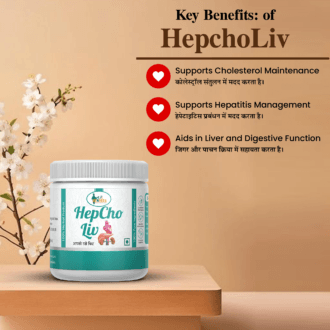
HepCho Liv by Zen Veda is an Ayurvedic formulation designed to support healthy liver function and metabolic balance as part of a sensible daily routine. Explore our wider range of Ayurvedic wellness products, or read more on our About Us page.
Want personalised guidance for your wellness routine? Reach out to our team.
Frequently asked questions
What is the earliest sign of liver damage?
Persistent fatigue and mild digestive changes are among the earliest, though non-specific, signs some people notice before anything else appears. Neither is exclusive to liver strain, but both are genuinely worth mentioning to a doctor if they linger longer than expected.
Why does liver disease often go unnoticed for years?
The liver has substantial functional reserve and can compensate for damage silently until a significant portion of tissue is affected, which is exactly why routine testing matters more than waiting for obvious symptoms.
Does yellowing of the eyes always mean liver trouble?
It’s a meaningful sign genuinely worth checking, reflecting bilirubin build-up in the body, though a doctor’s proper evaluation is needed to confirm the actual underlying cause.
When should I get a liver function test?
If fatigue persists for several weeks, or you notice yellowing, digestive changes or several mild symptoms appearing together, a basic blood test is genuinely worthwhile and inexpensive.
How does Ayurveda view early liver imbalance?
Ayurveda links it to Pitta dosha and weakened Agni, addressed through cooling foods, genuine moderation and consistently steady digestion over time.
📚 Sources
1. Ginès, P. et al. “Liver cirrhosis.” The Lancet, 2021. PubMed 34543610
2. Charaka Samhita — classical description of Yakrit (liver), Pitta dosha and Agni.
3. Ashtanga Hridayam — classical Ayurvedic reference on digestion and organ balance.
2. Charaka Samhita — classical description of Yakrit (liver), Pitta dosha and Agni.
3. Ashtanga Hridayam — classical Ayurvedic reference on digestion and organ balance.
Disclaimer: This article is for educational purposes only and is not a substitute for professional medical advice, diagnosis or treatment. Individual conditions vary. If you notice persistent symptoms, please consult a qualified healthcare professional.
★ 6,500+ happy customers
Ready to start your Ayurvedic hair journey?
Our Vaidyas build personalised herbal routines for you. Free consultation, no obligation.
For Free Consultation Contact +919548121325, +919149171737 | International business inquiry: sahil@zenveda.co.in / +919548121325
Recommended Zen Veda products
Author
