






- Your cart is empty Browse Shop
📌 Quick facts:
- The body changes significantly after delivery — skin, breast tissue, abdomen and hormones all shift as part of a normal recovery process.
- A 2017 study confirms body image and sexual esteem are commonly affected after childbirth, making this a recognised, legitimate concern rather than a purely vain one.
- Full physical recovery is gradual, often taking many months rather than weeks.
- Ayurveda has a dedicated postpartum care tradition, Sutika Paricharya, centred on rest, nourishment and gentle oil massage.
The body goes through significant, sustained, wide-ranging change after childbirth, yet new mothers are often given surprisingly little honest, upfront, practical information about what to actually expect in the months that follow. This guide walks through the physical changes that commonly occur, what research shows about their emotional impact, and how Ayurveda approaches postpartum recovery.
Having accurate, realistic expectations matters because unprepared surprise about normal postpartum changes tends to add unnecessary distress on top of an already demanding, exhausting period, when understanding what’s typical in advance makes the whole experience considerably easier to navigate. Many new mothers describe feeling blindsided by changes nobody mentioned beforehand, which adds an avoidable layer of stress to a time that already asks a great deal of them.
📋 In this guide
- What physical changes are genuinely common after delivery?
- Does postpartum body change genuinely affect how women feel emotionally?
- How long does the body actually take to feel more “normal”?
- Is it healthy to focus on self-care during this period?
- What role does nutrition and rest play in recovery?
- How does Ayurveda approach postpartum recovery specifically?
- Frequently asked questions
What physical changes are genuinely common after delivery?
⚡ Quick answer: Common changes include softer, looser abdominal skin, shifts in breast size and firmness, hair changes, and general skin texture differences. These occur because pregnancy and childbirth involve major hormonal, structural and tissue-level shifts, all part of a normal, expected recovery process rather than anything unusual.
Pregnancy and childbirth involve substantial structural and hormonal changes, and the body’s return afterward is a genuine process rather than an instant reset. Commonly reported changes include softer or looser abdominal skin as it adjusts after being stretched, shifts in breast size, shape and firmness as milk production begins and later changes, differences in hair texture or shedding related to hormonal shifts, and general changes in skin tone or texture. None of these represent something going wrong — they’re the expected, well-documented result of what the body has just accomplished, and most gradually settle into a new, stable baseline over the following months.
Does postpartum body change genuinely affect how women feel emotionally?
⚡ Quick answer: Yes. A 2017 study confirms genital body image and sexual esteem are commonly affected following childbirth, validating this as a recognised, legitimate concern rather than something to quietly dismiss as vanity or self-indulgence. Acknowledging this openly tends to reduce the isolation many new mothers feel around it.
A 2017 study published in the International Journal of Women’s Health surveyed genital body image and sexual esteem following vaginal birth, confirming that postpartum body changes commonly affect how women feel about themselves, including areas of self-perception rarely discussed openly (Gutzeit et al., 2017). This kind of research matters because it validates something many new mothers feel privately but rarely say aloud, sometimes not even to their own partner — that body changes after childbirth carry a real emotional weight, and that weight deserves acknowledgement rather than being brushed aside as something trivial in comparison to the “bigger picture” of a healthy baby, since both things can genuinely matter to a new mother at the same time.
How long does the body actually take to feel more “normal”?
⚡ Quick answer: Full recovery is gradual and often takes many months rather than weeks, with some tissue and hormonal changes continuing to shift well into the first year. Expecting a six-week timeline, as often implied, sets an unrealistic bar that most bodies simply don’t follow.
Recovery timelines are frequently underestimated, partly because postnatal check-ups are often scheduled around six weeks, which can create a false impression that recovery is largely “done” by that point, a milestone that was never really designed to represent full recovery in the first place. In reality, many tissue, hormonal and structural changes continue evolving well into the first year, and some changes settle into a genuinely new baseline rather than fully reverting to exactly how things were before pregnancy began. Setting expectations around a gradual, months-long timeline — rather than a six-week deadline — leads to a far more compassionate and realistic experience of this period, and removes the pressure of measuring recovery against a date that was never a genuine biological milestone in the first place.
Is it healthy to focus on self-care during this period?
⚡ Quick answer: Yes — gentle self-care isn’t indulgent or misplaced priority during postpartum recovery; it supports genuine physical healing and emotional wellbeing at a demanding time. A few minutes of intentional self-care doesn’t compete with caring for a newborn — the two can coexist.
There’s a common, unhelpful narrative that any attention paid to one’s own body during this period is somehow indulgent or misplaced, given the demands of a newborn. In reality, gentle self-care genuinely supports physical healing and emotional wellbeing during a demanding, often exhausting stretch of life. A few quiet minutes of intentional self-care — skin care, gentle massage, simply sitting undisturbed with a cup of tea — doesn’t compete with caring for a baby; it supports the capacity to keep doing that caregiving well, day after demanding day, which is itself a legitimate and important reason to prioritise it, rather than something to feel guilty about fitting in.
What role does nutrition and rest play in recovery?
⚡ Quick answer: Adequate nutrition and rest are foundational to postpartum recovery, supporting tissue repair, milk production and hormonal rebalancing. Depleted sleep and inadequate nutrition, both common realities with a newborn, can noticeably slow how the body recovers, making support from others genuinely valuable during this stretch.
Nutrition and rest are foundational to how the body recovers after childbirth, supporting tissue repair, hormonal rebalancing and, for breastfeeding mothers, milk production. The genuine challenge is that both are in short supply exactly when they’re needed most, given the round-the-clock realities of caring for a newborn. This is precisely why practical support from family and friends, easy access to nourishing food, and permission to rest whenever genuinely possible aren’t luxuries during this period — they’re genuinely part of what supports physical recovery, not separate from it, and accepting that support is a sign of good judgement, not a shortcoming.
How does Ayurveda approach postpartum recovery specifically?
⚡ Quick answer: Ayurveda has a dedicated postpartum tradition, Sutika Paricharya, centred on structured rest, nourishing food, and daily gentle oil massage over an extended period, traditionally around 40 days. This framework treats postpartum recovery as a genuinely distinct phase deserving its own care structure.
Classical Ayurveda includes a specific tradition of postpartum care, Sutika Paricharya, built around structured rest, nourishing warm food, and daily gentle oil massage, traditionally observed over an extended period often cited as around 40 days. This framework treats the postpartum period as a genuinely distinct life stage deserving dedicated care and attention, rather than something to rush back from as quickly as possible, or treat as an inconvenience to move past. Daily oil massage in particular is valued both for supporting skin and tissue recovery and as an intentional, calming ritual within an otherwise demanding stretch of time, offering a few minutes each day that belong entirely to the mother herself.
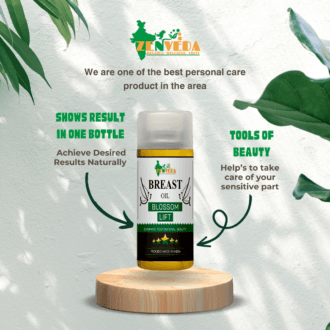
Blossom Lift by Zen Veda is an Ayurvedic massage oil for women’s breast skin care, made to nourish skin and support firmness, smoothness and elasticity through a gentle daily ritual. Explore our wider range of Ayurvedic wellness products, or read more on our About Us page.
Want personalised guidance for your postpartum self-care routine? Reach out to our team.
Frequently asked questions
What physical changes are normal after delivery?
Softer abdominal skin, breast changes, hair and skin texture shifts are all common, expected results of pregnancy and the childbirth recovery process.
Is it normal to feel affected emotionally by postpartum body changes?
Yes, research confirms body image and self-esteem are commonly affected after childbirth, making it a valid, widely shared concern.
How long does postpartum recovery actually take?
Often many months rather than just weeks, with some changes continuing to settle gradually throughout the entire first year after delivery.
Is postpartum self-care important?
Yes, gentle self-care supports genuine physical healing and emotional wellbeing and doesn’t compete with caring for a newborn.
How does Ayurveda approach postpartum care?
Through Sutika Paricharya — structured rest, nourishing food and daily gentle oil massage over an extended recovery period.
📚 Sources
1. Gutzeit, O. et al. “Body after baby: a pilot survey of genital body image and sexual esteem following vaginal birth.” International Journal of Women’s Health, 2017. PubMed 28450789
2. Charaka Samhita — classical description of postpartum care and recovery principles.
3. Ashtanga Hridayam — classical Ayurvedic reference for Sutika Paricharya (postpartum care).
2. Charaka Samhita — classical description of postpartum care and recovery principles.
3. Ashtanga Hridayam — classical Ayurvedic reference for Sutika Paricharya (postpartum care).
Disclaimer: This article is for educational purposes only and is not a substitute for professional medical advice. Individual postpartum experiences vary. If you have concerns about your physical or emotional recovery after childbirth, please consult a qualified healthcare professional.
★ 6,500+ happy customers
Ready to start your Ayurvedic hair journey?
Our Vaidyas build personalised herbal routines for you. Free consultation, no obligation.
For Free Consultation Contact +919548121325, +919149171737 | International business inquiry: sahil@zenveda.co.in / +919548121325
Recommended Zen Veda products
Author
