




- Your cart is empty Browse Shop
📌 Quick facts:
- Hormonal imbalance shows up through several small, easy-to-dismiss signs long before it becomes a bigger health concern.
- Common signs include irregular periods, mood swings, sudden weight changes, fatigue, and skin or hair changes.
- A 2025 study on Shatavari found it supported hormonal balance markers in women, adding to the traditional evidence for this herb.
- Ayurveda has long addressed hormonal balance through artava (reproductive tissue) health, diet, and rasayana herbs — alongside modern medical care.
Hormonal imbalance quite rarely announces itself clearly. Instead, it shows up as five or six small, seemingly unrelated changes — a skipped period here, unexplained irritability there, skin that suddenly breaks out, weight that won’t shift no matter what you do. Individually, each is easy to explain away. Together, they tell a clearer story. This guide walks through the signs worth paying attention to, what recent research shows, and how Ayurveda has long approached hormonal balance — always alongside proper medical evaluation.
Recognising this pattern early can save months or years of confusion, since many of these signs are dismissed individually as stress, diet, or simply “getting older,” when together they point toward something worth actually investigating. Taking that step earlier rather than later often makes both diagnosis and treatment considerably simpler and less drawn-out.
📋 In this guide
- What are the five signs your hormones might be out of balance?
- Why is hormonal imbalance so often missed or dismissed?
- What does recent research say about supporting hormonal balance?
- How does Ayurveda approach hormonal balance in women?
- What lifestyle factors most affect hormonal balance?
- How does Zen Veda support women’s hormonal health?
- Frequently asked questions
What are the five signs your hormones might be out of balance?
⚡ Quick answer: Common signs include irregular or unpredictable periods, noticeable mood swings or irritability, sudden or unexplained weight changes, persistent fatigue, and changes in skin or hair such as acne or thinning. No single sign confirms a hormonal imbalance, but a combination of several, especially if new or worsening, is worth discussing with a doctor.
Hormones influence far more of the body than most people realise — mood, metabolism, skin, hair, sleep and menstrual regularity are all closely tied to hormonal signalling. When periods become unpredictable in timing or flow, when mood swings feel more intense or frequent than usual, when weight shifts without any real change in diet or activity, or when skin and hair suddenly behave differently, these are all worth noting. Individually, each has many possible explanations; but noticing several together, especially if they’re new or worsening, is a meaningful pattern rather than coincidence.
Why is hormonal imbalance so often missed or dismissed?
⚡ Quick answer: Each individual sign of hormonal imbalance overlaps heavily with ordinary life stress, diet, or aging, making it easy to explain away one at a time. Without connecting the signs together, many women — and sometimes their doctors — attribute symptoms to unrelated causes for months or years before an underlying hormonal pattern is properly investigated.
The trouble with hormonal symptoms is that almost every one of them has an innocent, everyday explanation available. Tired? You’ve been busy. Moody? Stressful week. Skin acting up? Maybe a new product. Because each sign can be explained individually, the pattern as a whole often goes unrecognised for a surprisingly long time — sometimes years, particularly if periods remain regular enough not to raise immediate concern. Keeping a simple log of symptoms over a couple of cycles is often what finally reveals the pattern clearly enough to bring to a doctor. This kind of tracking costs nothing and takes only a minute or two a day, yet it frequently uncovers a pattern that months of vague worry never quite clarified.
What does recent research say about supporting hormonal balance?
⚡ Quick answer: A 2025 study on standardised Shatavari (Asparagus racemosus) extract found it supported markers of hormonal balance in women over the study period. This adds modern clinical evidence to a herb Ayurveda has used for many centuries specifically for women’s hormonal and reproductive health, further strengthening the case for its continued traditional use.
A study published in the Journal of the American Nutrition Association (2025) examined a standardised Shatavari extract and found supportive effects on hormonal balance markers in the women studied, adding contemporary clinical evidence to a herb long used in Ayurvedic practice for exactly this purpose. This kind of research — testing traditional herbs with modern methodology — is valuable because it helps bridge centuries of traditional use with the kind of evidence that allows for more confident, informed use today. You can read the study on PubMed (ID 40434025).
How does Ayurveda approach hormonal balance in women?
⚡ Quick answer: Ayurveda frames hormonal balance through the health of artava (reproductive tissue) and its supporting systems, emphasising strong agni, balanced doshas, and nourishing rasayana herbs like shatavari. This is a whole-body view rather than treating hormones as an isolated system, aligning with how interconnected hormonal signals actually are.
Ayurveda has always treated women’s hormonal health as deeply and intimately tied to overall constitution rather than an isolated system — the health of artava, or reproductive tissue, is seen as dependent on strong agni, balanced doshas, and adequate ojas (vital reserve). Rasayana herbs such as shatavari have been used for centuries specifically to nourish and support this system, alongside dietary and lifestyle guidance suited to a woman’s individual constitution and life stage. This integrated view — treating hormonal health as connected to digestion, stress and overall vitality — matches how interconnected these systems actually are physiologically.
What lifestyle factors most affect hormonal balance?
⚡ Quick answer: Chronic stress, poor sleep, extreme dieting or rapid weight changes, and a diet low in healthy fats and nutrients all disrupt hormonal balance. Regular sleep, balanced nutrition, moderate exercise, and stress management are the most consistently supported everyday habits for supporting healthy hormonal function over time.
| Supports balance | Disrupts balance |
|---|---|
| Consistent sleep schedule | Chronic sleep deprivation |
| Balanced diet, healthy fats | Extreme dieting, rapid weight change |
| Moderate regular exercise | Either inactivity or over-exercising |
| Stress management practices | Chronic unmanaged stress |
Several everyday factors have an outsized effect on hormonal balance. Chronic stress keeps cortisol elevated, which can disrupt the signalling of other hormones over time. Poor or irregular sleep similarly throws off the delicate hormonal rhythms the body relies on. Extreme dieting or rapid weight loss can disrupt menstrual regularity, as can excessive exercise without adequate recovery and nutrition. On the other hand, consistent sleep, balanced meals with adequate healthy fats, moderate regular exercise, and active stress management are the everyday habits most consistently linked to steadier hormonal function — none of them dramatic, but all of them cumulative over months. Small, sustainable changes in these areas tend to outperform any single dramatic intervention attempted briefly and then abandoned.
How does Zen Veda support women’s hormonal health?
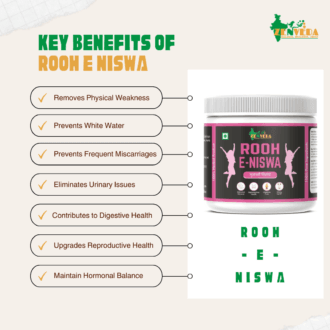
⚡ Quick answer: Zen Veda’s Rooh-e-Niswa is a herbal formula designed to support women’s hormonal balance and reproductive wellness, made from certified, Uttarakhand-sourced herbs including shatavari. It works best alongside consistent sleep, balanced nutrition and stress management — and any persistent or worsening hormonal symptoms should be medically evaluated.
Rooh-e-Niswa is formulated from certified, Uttarakhand-sourced herbs, including shatavari, traditionally used to support women’s hormonal balance and reproductive wellness. We recommend it as part of a broader routine of good sleep, balanced nutrition and stress management — and encourage medical evaluation for any hormonal symptom that is persistent, severe, or worsening. Explore the wider Zen Veda range, or learn more on our About Us page.
Noticing a few of these signs in yourself? You can book a free consultation with our Vaidyas to discuss a personalised, practical plan suited to your symptoms and cycle.
Frequently asked questions
What are common signs of hormonal imbalance?
Irregular periods, mood swings, unexplained weight changes, persistent fatigue, and changes in skin or hair are all common signs, especially when several occur together at once.
Can stress alone cause hormonal imbalance?
Yes, chronic stress keeps cortisol elevated, which can disrupt the balance and signalling of other hormones, including those affecting the menstrual cycle and ovulation.
Does Ayurveda have herbs for hormonal balance?
Yes, shatavari is a traditional rasayana herb long used to support women’s hormonal and reproductive health, and recent 2025 research further supports this traditional use.
Can diet affect hormonal balance?
Yes, extreme dieting, rapid weight changes, and diets low in healthy fats can all disrupt hormonal balance, while balanced, consistent nutrition supports steadier hormonal function over time.
When should hormonal symptoms be checked by a doctor?
See a doctor if you notice several signs together, if symptoms are severe or worsening, or if irregular periods persist for more than a couple of consecutive menstrual cycles in a row.
📚 Sources
1. “Effects of standardized Asparagus racemosus (Shatavari) extract on hormonal balance in women.” Journal of the American Nutrition Association, 2025. PubMed 40434025
2. Charaka Samhita — classical descriptions of artava, agni and reproductive tissue health.
3. Ashtanga Hridayam — classical Ayurvedic reference for rasayana therapy and women’s health.
2. Charaka Samhita — classical descriptions of artava, agni and reproductive tissue health.
3. Ashtanga Hridayam — classical Ayurvedic reference for rasayana therapy and women’s health.
Disclaimer: This article is for educational purposes only and is not a substitute for personalised medical advice. Individual results vary. Please consult a qualified Ayurvedic practitioner or your healthcare provider before starting any new treatment, especially if you are managing a medical condition or taking medication.
★ 6,500+ happy customers
Ready to start your Ayurvedic hair journey?
Our Vaidyas build personalised herbal routines for you. Free consultation, no obligation.
For Free Consultation Contact +919548121325, +919149171737 | International business inquiry: sahil@zenveda.co.in / +919548121325
Recommended Zen Veda products
Author
